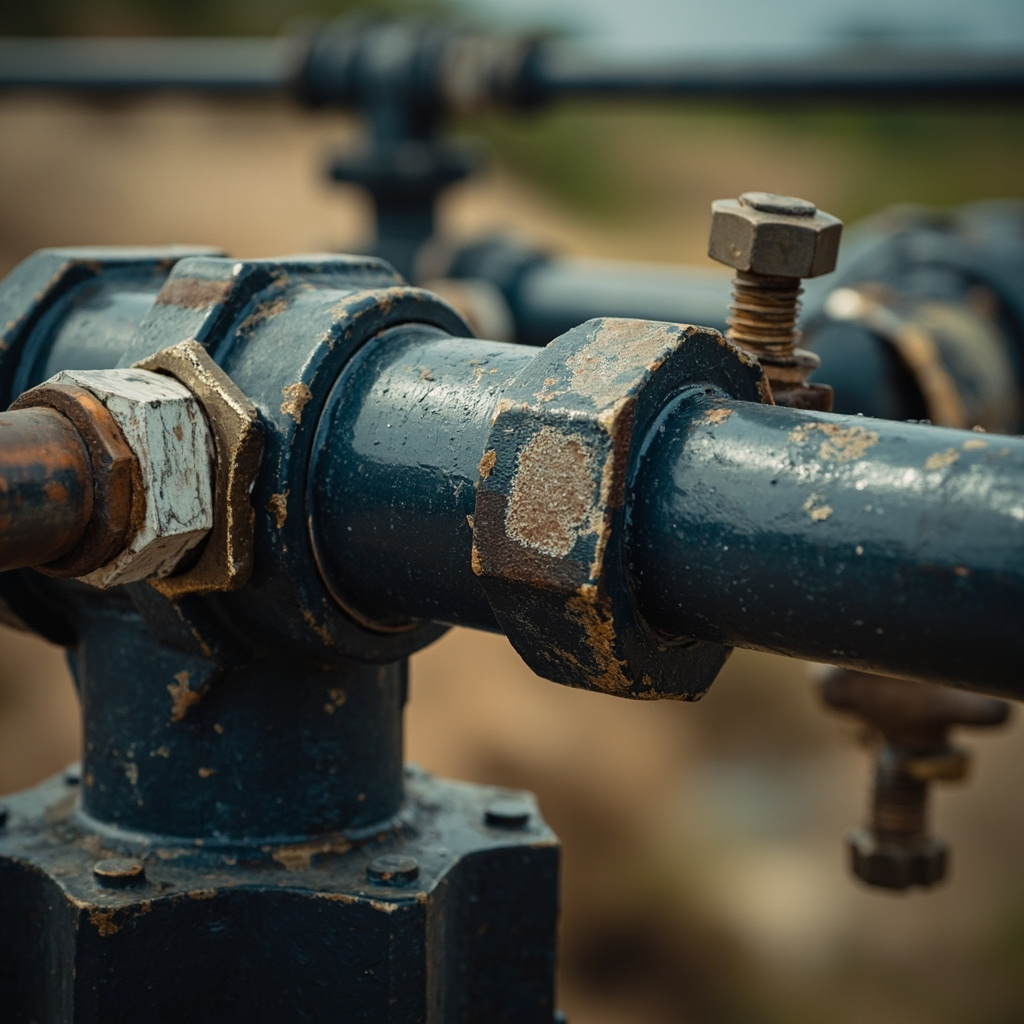
متطلبات خاصة للموانع للبنية التحتية للمياه في أفريقيا.
بيئة المياه: لماذا البنية التحتية للمائية مسببة للتآكل
تمثل البنية التحتية للمياه بيئة فريدة الصعوبة لأدوات التثبيت/a>/a>. فالمياه الصالحة للشرب - المياه المعالجة بالكلور تسرع من تآكل الفولاذ الكربوني؛ ويُعد الفولاذ المقاوم للصدأ 316 أو الطلاءات الإيبوكسي المندمج (FBE) هو المعيار لأدوات التثبيت/a>/a> التي تلامس مياه الشرب. مياه الصرف الصحي - غاز كبريتيد الهيدروجين وحمض الكبريتيك في محطات معالجة مياه الصرف الصحي يسببان تآكلاً شديداً للفولاذ الكربوني؛ يُشترط الفولاذ المقاوم للصدأ 316L أو أعلى؛ أو طلاءات مقاومة للأحماض في حال كانت تكلفة SS316 مرتفعة جداً. مياه الري - مياه الآبار ذات المحتوى المعدني العالي (المياه العسرة) قد تكون تآكلية بشكل طفيف؛ يوفر الطلاء المجلفن بالغمس الساخن (HDG) حماية كافية في معظم الحالات؛ يُنصح بالحذر من مياه الآبار الحمضية (pH < 6.5). مياه البحر والمياه المالحة - يستلزم الأمر فولاذاً مقاوماً للصدأ 316 كحد أدنى؛ والفولاذ المزدوج (دوبلكس) أو الفولاذ فائق الازدواج للمناطق المعرضة للرذاذ ومناطق السرعات العالية؛ يفشل الطلاء المجلفن بالغمس الساخن بسرعة في مياه البحر. المياه المُعالجة المُصرَّفة - شبيهة بمياه الصرف الصحي، تتطلب الفولاذ المقاوم للصدأ SS316 أو طلاءً واقياً. موارد ذات صلة: براغي عالية المتانة براغي التثبيت أدوات تثبيت من الفولاذ المقاوم للصدأ براغي سداسية صواميل قفل حلقات براغي ذاتية الحفر براغي مقبسية.
أدوات تثبيت أنظمة الري
تتراوح أنظمة الري في أفريقيا من أنظمة الري بالتنقيط للمزارعين الصغار إلى أنظمة الري المحوري الكبيرة والري السطحي: الري بالتنقيط - تستخدم أنابيب البولي إيثيلين منخفض الكثافة (LDPE) ومتوسط الكثافة (MDPE) تركيبات احتكاكية أو ذات نتوءات مع مشابك من الفولاذ المقاوم للصدأ (مشابك دودية M4-M6 من الستانلس ستيل)؛ تستخدم مشابك الرفع من الفولاذ المجلفن بالغمس الساخن أو الستانلس ستيل. الري المحوري - تستخدم المرشاشات المتنوعة براغي ومسامير مقاومة للتآكل لوصلات العجلات والأبراج؛ أدوات التثبيت المطلية بالغمس الساخن HDG أو الزنك والنيكل هي المعيار؛ تستخدم وصلات المحاور براغي M12-M16 من الفئة 8.8 مع صواميل القفل لتأمين محاور الأنابيب والبراغي. الري السطحي (الخطوط، الغمر) - تستخدم أنظمة الأنابيب ذات البوابات مسامير برشام من الألومنيوم أو براغي من الستانلس ستيل لتجميع البوابات. تجهيزات سرج الأنابيب - مسامير U من الفولاذ المجلفن بالغمس الساخن أو الستانلس ستيل لتأمين الأنابيب كبيرة القطر على الجدران الرأسية والمنشآت؛ استخدم دائماً وسادة من المطاط أو EPDM بين الأنبوب والمعدن لمنع التآكل الكلفاني والاحتكاك الفيزيائي.
أدوات تثبيت محطات الضخ ومحطات معالجة المياه
تتطلب محطات الضخ ومحطات معالجة المياه متطلبات متنوعة لأدوات التثبيت: مسامير تأسيس المضخات - مسامير تثبيت كبيرة (M24-M36) لتأمين قواعد المضخات على الخرسانة؛ HDG للتركيبات الداخلية؛ فولاذ 316 مقاوم للصدأ لمحطات الرفع الساحلية أو بمحطات مياه البحر؛ يجب تركيبها بقاعدة غير منكمشة بعد المحاذاة. فلنشات الأنابيب - مسامير من الفولاذ المجاوم للصدأ HDG أو 316 لوصلات الأنابيب المفصلية؛ حدد حلقات مسطحة تحت الرأس والصامولة؛ أحكم الربط بالقيم المحددة باستخدام مفتاح عزم معاير. تركيب الصمامات - براغي سداسية من HDG أو SS316 بحجم يتناسب مع نمط ثقوب تركيب جسم الصمام؛ للصمامات المدفونة، غلف فلنشات البراغي بشريط Denso أو غلاف قابل للانكماش حرارياً للحماية من التآكل. أغطية الفتحات - براغي ذات رأس زر من الستانلس ستيل 316 لأغطية الفتحات المقاومة للماء؛ الرؤوس الغائرة تمنع العبث وتوفر سطحاً أملساً.
أدوات تثبيت خطوط الأنابيب HDPE وخطوط الأنابيب ذات الفتحات الكبيرة
تُستخدم خطوط أنابيب البولي إيثيلين عالي الكثافة (HDPE) بشكل متزايد لنقل وتوزيع المياه في أفريقيا بفضل مقاومتها للتآكل ومرونتها: مهايئات الفلنشات - تتطلب فلنشات أنابيب HDPE مسامير دعم كبيرة القطر من الستانلس ستيل أو HDG (عادة M16-M24)؛ يجب أن يراعي طول البرغي سُمك مهايئ فلنشة HDPE بالإضافة إلى الفلنشة المقابلة. مشابك ودعامات الأنابيب - أنابيب HDPE لها قطر خارجي أكبر من أنابيب الفولاذ المكافئة في القطر الداخلي؛ حدد مقاسات المشابك والدعامات لتتناسب مع القطر الخارجي الفعلي لأنبوب HDPE. وصلات التمدد - يتميز HDPE بمعامل تمدد حراري عالٍ؛ تتطلب وصلات التمدد براغي تسمح بالحركة؛ حددها مع حلقات مسطحة وأقواس توجيه. وصلات الاندماج التناكبي - هذه تُلحم حرارياً، ولا تُربط بمسامير؛ ولا حاجة لأي مثبت للوصلة نفسها؛ أما الوصلات الميكانيكية (المفصلية) فتستخدم مسامير فلنشة قياسية. لخطوط أنابيب HDPE الأرضية، استخدم مشابك أنابيب مطلية بالبلاستيك أو مبطنة بالمطاط لمنع التحميل النقطي وتوفير العزل الحراري.
مشاريع البنية التحتية المائية الأفريقية البارزة
توجد عدة مشاريع رئيسية للبنية التحتية للمياه في أفريقيا تخلق فرصاً لموردي أدوات التثبيت: كينيا - البنية التحتية لمياه مدينة كوينزا تكنولوجيبوليس، ومشاريع إمدادات المياه للمقاطعات المختلفة؛ إثيوبيا - سد النهضة الإثيوبي الكبير (GERD) والبنية التحتية المرتبطة لنقل المياه؛ جنوب أفريقيا - مشروع ليسوتو المرتفعات العليا للمياه، والترقيات المختلفة لمحطات معالجة المياه البلدية؛ نيجيريا - إعادة تأهيل إمدادات المياه في لاغوس، ومشاريع مجالس المياه الحكومية المختلفة؛ زامبيا - محطة كافوي جورج السفلى للطاقة الكهرومائية (نقل المياه)؛ تنزانيا - محطة جوليوس نيريري للطاقة الكهرومائية والبنية التحتية للمياه. وفي هذه المشاريع، تتبع مواصفات أدوات التثبيت عادةً: معايير SABS/SANS (في جنوب أفريقيا)؛ معايير ISO أو DIN (للمشاريع الممولة أوروبياً)؛ معايير المشتريات الخاصة بالبنك الدولي أو بنك التنمية الأفريقي للمشاريع الممولة دولياً.
الأسئلة الشائعة
انظر الأسئلة الشائعة أدناه.
موارد ذات صلة: براغي عالية المتانة براغي التثبيت أدوات تثبيت من الفولاذ المقاوم للصدأ براغي سداسية صواميل قفل حلقات براغي ذاتية الحفر براغي مقبسية.What fastener coating is suitable for buried water pipeline joints?
For buried water pipelines in African soil conditions: Hot-dip galvanizing (HDG) per ISO 1461 is the standard for most buried applications — the zinc coating provides cathodic protection even if the coating is slightly damaged. For highly corrosive soil (black cotton soil, mine drainage-contaminated ground), specify FBE (fusion-bonded epoxy) coating on the fasteners — provides barrier protection superior to HDG in aggressive soils. For pipe joints that may need future access, use HDG with Denso tape wrap (petrolatum-based) over the bolt and flange face. For critical potable water pipelines, specify potable-water-approved epoxy coating (e.g., ANSI/NSF 61 certified) or stainless steel 316.
Why does stainless steel sometimes rust in water treatment plants?
Stainless steel 304/316 can experience 'crevice corrosion' and 'pitting' in water treatment environments when: Chlorine levels are too high — high chlorine (>1 ppm) accelerates pitting in stainless; specify 316L or duplex stainless for high-chlorine environments. Temperature exceeds 50°C — elevated temperature reduces pitting resistance; use higher alloy grades in hot water applications. Biofilm forms — bacteria under biofilm create localized acidic conditions that attack the passive layer; specify super-duplex or apply biocide treatments. Surface is scratched or damaged — mechanical damage to the passive layer can initiate pitting; always use stainless tools for installation to avoid iron contamination.
What is the lifespan difference between HDG and stainless steel fasteners in water pipelines?
In buried water pipeline conditions: HDG fasteners typically last 20-40 years in neutral pH soil and water; acidic soils (pH < 5.5) or aggressive backfill can reduce this to 5-10 years; HDG in flowing seawater has very short life (2-5 years). Stainless steel 316 fasteners in buried water pipelines typically last 50-80 years in neutral conditions; 316 in seawater or high-chloride water lasts 20-40 years. Duplex stainless (2205) lasts 40-60 years in most water environments. The choice depends on the total lifecycle cost — HDG is cheaper initially but may need replacement, while SS316 has higher initial cost but rarely needs replacement in normal water conditions.
هل تحتاج إلى أدوات تثبيت لمشروع بنية تحتية للمياه؟ احصل على عرض سعر مباشر من المصنع عبر TradeGo.
Get Quote