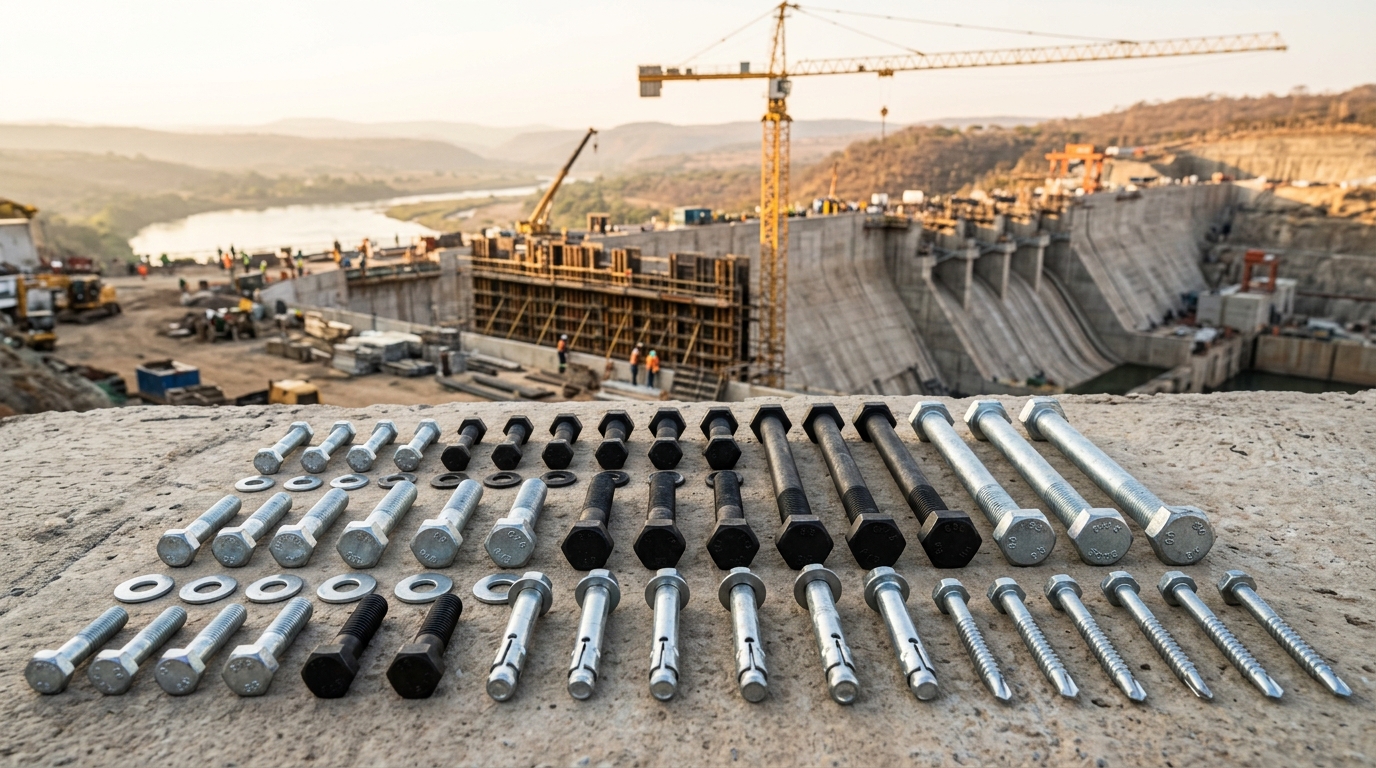
دليل عملي 2026 لمشتري أدوات التثبيت B2B في زيمبابوي يغطي اختيار درجات البراغي وطلاء التآكل وتقييم الموردين والامتثال ISO 898-1 و SAZ وتحسين تكلفة AfCFTA وخدمات ممر بيرا لوجستيات وتأهيل الموردين المنظم.
موجة البنية التحتية في زيمبابوي لعام 2026: ما يحتاج المشترون إلى معرفته
تدخل زيمبابوي عام 2026 بمشروع ميزانية بنية تحتية وطنية بقيمة 4.6 مليار زيغ، تركز على مشاريع النقل والبناء المائي واسعة النطاق، بما في ذلك ترقية طريق هراري-ماسفينغو-بيتريدج السريعة وتوسيع سد كونزفي، إلى جانب ازدهار تطوير مواقع تعدين الليثيوم في جميع أنحاء البلاد. يخلق هذا المشروع طلباً غير مسبوق ومستدام على أدوات التثبيت طوال العام، مع مواصفات المشاريع التي تستدعي براغي تركيب هيكلية عالية الشد، وبراغي أعمال المياه المقاومة للتآكل، وأدوات تثبيت التعدين الثقيلة بكميات أكبر بكثير من عام 2025. جميع المشترين مؤهلون للحصول على تخفيض رسوم استيراد بنسبة 32 بالمائة بموجب اتفاقية التجارة الحرة القارية الأفريقية (AfCFTA) عند مصادرتهم لعناصر التثبيت الفولاذية من المصنعين الصينيين المتوافقين، وهو خصم تعريفي دائم يقلل بشكل كبير من تكاليف المواد الواصلة ويحسن هوامش أرباح العطاءات للمقاولين وفرق المشتريات التعدينية. من المتوقع أن تزيد المناقصات العامة بشكل حاد بدءاً من الربع الثاني، مما يدفع استهلاك عناصر التثبيت الوطنية الإجمالي للارتفاع بنسبة 40 بالمائة المتوقعة مقارنة بالعام الماضي مع إطلاق أطر البناء متعددة السنوات. تأمين طاقة المورد في وقت مبكر من عام 2026 يقلل من مخاطر متعددة يمكن تجنبها وستتصاعد خلال الأشهر القادمة. من المتوقع أن يزداد ازدحام ميناء ممر بيرا مع تزايد دول أفريقية مجاورة لطلبات البنية التحتية، مما يمدد أوقات التسليم ويضيف رسوم ميناء وتخزين غير مخططة. تواجه أسعار المواد الخام الفولاذية العالمية ضغطاً تصاعدياً ثابتاً شهرياً، وسيرفع المصنعون تسعير الوحدات بمجرد امتلاء فترات الإنتاج المحجوزة مسبقاً. المشترون الذين يؤخرون تدقيق الموردين يخاطرون بفقدان أفضل فترات الإنتاج للمنافسين، أو التعامل مع مصانع دون المستوى تأخر التأهيل، أو دفع رسوم شحن طوارئ جوي عندما تتزامن تأخيرات الموانئ مع مواعيد نهائية للمشاريع لا يمكن تغييرها. يحمي الحجز المبكر للطاقة جداول المشاريع ويؤمن مستويات تسعير تفضيلية قبل بدء اندفاع العطاءات لعام 2026.
تحديد درجات البراغي وطلاءات التآكل لعطاءات 2026
تحديد درجة أداة التثبيت الصحيحة هي أول بوابة تقنية يجب على كل مشتري B2B في زيمبابوي اجتيازها للفوز بعطاءات عامة لعام 2026. براغي الدرجة 8.8 متوسطة الشد مناسبة للمباني السكنية وإطارات المواقع وأعمال الطرق الثانوية. الدرجة 10.9 هي الدرجة العاملة لعوارض الطرق السريعة وإطارات المستودعات الفولاذية وأرفف دعم المناجم متوسطة الحجم، وهي الأكثر طلباً في ترقية طريق هراري-ماسفينغو-بيتريدج. أدوات التثبيت عالية القوة من الدرجة 12.9 إلزامية لمفاصل تحمل الحمل لسد كونزفي وعوارض الجسور الرئيسية، وأي براغي مرساة غير محددة الحجم على أسس الخرسانة للسد أو الجسر سيتم رفضها تلقائياً في المراجعة التقنية. للأسقف والتكسية الجانبية، براغي الحفر الذاتي تخترق الصفائح المعدنية بدونثق مسبق وهي الافتراضية للامتثال للعطاء، بينما براغي اللولبة الذاتية لا تعمل إلا على اللوحات الثانوية الرقيقة وستفشل فحص التكسية الثقيلة. اختيار طلاء التآكل الصحيح هو البوابة التقنية الثانية، ومناخ زيمبابوي الاستوائي الرطب لا يترك مجالاً للخطأ. الإنتاج بالغمس الساخن يخلق طلاء سبيكة 85 إلى 120 ميكرومتر يقاوم الصدأ لعقود على الجسور والسدود وهياكل الطرق السريعة، وهو المواصفات الافتراضية في جميع وثائق العطاء لعام 2026. طلاء الزنك يوفر فقط 5 إلى 12 ميكرومتر من الحماية، ويتخدش بسهولة ويتطور الصدأ السطحي خلال أشهر في البيئات الممطرة أو على جانب الطريق، لذلك مقبول فقط لمكونات البناء الداخلي الجافة تماماً. أكثر أخطاء المشترين شيوعاً تشمل تخفيض درجات البراغي لتقليل التكاليف الأولية، وخلط أنواع الطلاء داخل حزمة عطاء واحدة، واستبدال براغي اللولبة الذاتية حيث يتم تحديد براغي الحفر الذاتي، وإغفال شهادات تحمل براغي المرساة. كل هذه الأخطاء تؤدي إلى استبعاد العطاء فوراً، وإعادة عمل مكلفة وتأخير موافقات المشاريع، لذا.aligning every fastener grade and coating directly with the published tender engineering schedule is the simplest way for buyers to eliminate avoidable compliance risk.
تقييم موردي أدوات التثبيت الصينيين: قائمة فحص امتثال المشتري
التحقق من مورد أدوات تثبيت صيني لعطاءات البنية التحتية والتعدين في زيمبابوي لعام 2026 يبدأ بثلاثة فحوصات امتثال أساسية. يجب على المشترين أولاً التأكد من شهادة مصنع ISO 9001 صالحة وطلب من المورد إثبات أن نظام الجودة للمصنع يتوافق مع المعايير التقنية SADC SQAM، حيث أن الوثائق غير الكاملة هي السبب الأكثر شيوعاً لاستبعاد العطاءات خلال المراجعة التقنية لـ PRAZ. الفحص الثاني هو الوثائق: يجب أن تشحن كل طلب كبير مع شهادات اختبار المصنع الكاملة لكل درجة برغي ومسمار، ويجب أن تصل عينات ما قبل الشحن المادية إلى هراري أو بولاوايو قبل 30 يوماً على الأقل من الشحن للاختبار المستقل للشد ورش الملح. الفحص الثالث هو الصحة المالية للمورد، حيث يمكن للمشترين طلب بيانات مدققة حديثة أو خطاب مرجعي من البنك; المصانع الصغيرة مع تدفق نقدي ضعيف غالباً ما توقف الإنتاج في منتصف العقد، مما يخلق نقصاً مكلفاً في المواد يعطل جداول بناء السدود والطرق السريعة. شروط الدفع وبنود العقد هي المكان الذي يمكن فيه للمشترين الزيمبابويين إما حماية تدفقهم النقدي أو التخلي عنه. الهيكل الأكثر أماناً هو دفعة مقدمة 30 بالمائة عند تأكيد الطلب مع الـ 70 بالمائة المتبقية المحررة فقط مقابل نسخة من بوليصة الشحن، وليس عند التحويل الكامل مقدمًا. يجب أن يقفل كل عقد توريد لمشاريع 2026 جداول زمنية ثابتة من الباب إلى الباب تراعي ازدحام ميناء ممر بيرا، ونافذة واضحة للمطالبة بالجودة 30 يوماً بعد وصول البضائع إلى هراري أو بولاوايو، وأحكام استبدال مجانية لأدوات التثبيت المعيبة، وغرامات مالية يومية للتواريخ المتأخرة للتسليم، وضمان كتابي بأن المصنع يتحمل المسؤولية عن الدرجات دون المستوى. احذر من هذه العلامات الحمراء: مورد يرفض التفتيش من طرف ثالث SGS أو Bureau Veritas قبل الشحن، يطلب أكثر من 30 بالمائة دفعة مقدمة، يرفض تقديم شهادات اختبار المصنع الكاملة، أو يستخدم لغة عقد غامضة حول تأخيرات النقل والمطالبات بالجودة; أي من هذه الإشارات يعني أن المصنع غير مؤهل بعد لدعم التوريد بمواصفات العطاء لعام 2026.
وثائق الامتثال الإلزامية: ISO 898-1، ISO 1461، SAZ و SADC SQAM
يجب على المشترين الذين يستوردون أدوات تثبيت لعطاءات البناء والتعدين في زيمبابوي لعام 2026 تحديد مجموعة صارمة من معايير الجودة العالمية والإقليمية المتوافقة قبل تخليص الجمارك. تحتاج جميع براغي عالية الشد من الدرجات 8.8 و 10.9 و 12.9 إلى امتثال كامل لقواعد الخصائص الميكانيكية ISO 898-1، التي تغطي مقاومة الشد وحدود الخضوع وسجلات اختبار الصلابة. يجب أن يتبع أي أداة تثبيت خارجية بطلاء بالغمس الساخن مواصفات طلاء ISO 1461 لضمان الحد الأدنى من السماكة بالميكرومتر والحماية الموحدة من الصدأ. تحتاج المنتجات أيضاً إلى التوافق مع معايير الأجهزة المنسقة SADC SQAM، وهو فحص إلزامي لأهلية العطاءات لـ PRAZ، بينما يقوم مكتب معايير زيمبابوي (SAZ) بإجراء فحوصات استيراد إلزامية للتحقق من جميع دفعات أدوات التثبيت عند الوصول. كل شحنة تتطلب شهادة مطابقة رسمية تطابق أرقام الدفعة ودرجات الطلاء ونتائج الاختبار الميكانيكي لتجنب تعثرات الجمارك في موانئ موتاري أو بيتريدج الحدودية. يجب على فرق المشتريات تعلم تحديد شهادات اختبار المصنع المزورة التي تخاطر بمصادرة الشحنة الكاملة من قبل مسؤولي SAZ. غالباً ما تُظهر المستندات المزيفة شعارات عامة بدون أرقام تسلسلية فريدة لدفعة المصنع، أو قراءات كيميائية للسبيكة غير متطابقة أو توقيعات اختبار بدون نسب مع عدم وجود تفاصيل اتصال لمختبرات الطرف الثالث. شهادات MTC الأصيلة تشير إلى كل تشغيل إنتاج للحاوية، وتشمل طوابع التحقق من SGS أو Bureau Veritas، وترتبط مباشرة بشهادة المطابقة المقدمة لتخليص SAZ. قبول وثائق مزورة غير مدققة يؤدي إلى احتجاز طويل على الحدود، وفقدان نوافذ الجدول الزمني للبناء، واستبعاد تلقائي من العطاءات وغرامات جمركية كبيرة، مما يجعل التحقق المتبادل من جميع وثائق الامتثال خطوة لا يمكن التفاوض عليها لكل طلب استيراد لأدوات التثبيت لعام 2026.
تحسين تكلفة الوصول: FOB، الشحن، تعريفة AfCFTA وممر بيرا
يتطلب حساب إجمالي تكلفة الوصول لأدوات التثبيت المستوردة في عام 2026 من المشترين الزيمبابويين إضافة أربعة بنود يمكن التنبؤ بها: تسعير المصنع FOB، وشحن الحاوية البحرية، ورسوم مناولة الميناء، ورسوم النقل البري الداخلية إلى هراري أو بولاوايو. يتراوح الشحن البحري لحاوية كاملة 40 قدم FCL من الصين بين 3,650 إلى 4,500 دولار أمريكي، مع إضافة رسوم موانئ 500 إلى 1,000 دولار أمريكي لكل حاوية في بيرا أو ديربان. يستغرق النقل البري من بيرا إلى هراري ستة أيام ويكلف 1,300 إلى 1,500 دولار أمريكي لكل حاوية، بينما يتطلب المسار الأطول من ديربان إلى هراري 11 يوماً عبور مع رسوم داخلية 1,700 إلى 2,000 دولار أمريكي. بالإضافة إلى ذلك، يتم تخفيض رسوم الاستيراد الأساسية لـ SADC بنسبة 32 بالمائة بموجب اتفاقية AfCFTA لعناصر التثبيت الفولاذية الصينية المتوافقة، وهو خصم ثابت يقلل مباشرة السعر النهائي للوصول لكل طن ويحسن هوامش عطاءات العطاءات للمشترين. كمعيار ملموس، يوفر طلب بالجملة 50 طناً من براغي التركيب الهيكي من الدرجة 10.9 شحنتها FCL عبر بيرا وفورات قابلة للقياس مقارنةً بالتوجيه الأبطأ عبر ديربان. قبل إعفاء AfCFTA، شكلت رسوم الاستيراد ما يقرب من 12 بالمائة من قيمة الشحنة الإجمالية، لذا فإن تخفيض التعريفة بنسبة 32 بالمائة يقلل عبء الرسوم هذا بحوالي الثلث، مما يزيل عدة آلاف من الدولارات لكل شحنة للمشترين الكبار. حجم الطلب يحدد وضع الشحن: حمولة براغي الدرجة 10.9 بوزن 50 طن تناسب حاوية كاملة واحدة 40 قدم FCL مع رسوم شحن بحري ومناولة موانئ ونقل داخلي مجمعة حوالي 6,200 دولار أمريكي، مما يضع تكاليف الشحن لكل طن بالقرب من 124 دولار أمريكي; نفس الـ 50 طن مقسمة إلى شحنات LCL سيدفع رسوم النقل الإجمالية فوق 9,100 دولار أمريكي بسبب رسوم الدمج والمناولة عبر الحدود. تساعد ثلاث تكتيكات تحسين عملية المشترين على تقليل تكلفة الوصول بنسبة تقارب 11 بالمائة مقارنة بالشحنات المتفرقة LCL: دمج طلبات أدوات التثبيت الربع سنوية في حاويات كاملة، تفضيل ممر بيرا الأسرع على ديربان لتجنب أقساط النقل بالشاحنات الداخلية الأعلى، وتأمين أسعار شحن بحري ثابتة قبل ستة أسابيع من الإنتاج لتجنب رسوم موسم الذروة. مراجع لوجستية ذات صلة: [دليل عبور ممر بيرا](/industry/beira-corridor-logistics) عبور ممر بيرا. [تعريفات مناولة ميناء ديربان](/industry/durban-port-handling-rates) مناولة ميناء ديربان.
سير عمل مصادر 30 يوماً لتأمين طاقة المورد لعام 2026
بمجرد اكتمال الامتثال وتقييم المورد وتحليل تكلفة الوصول، يجب على المشترين الزيمبابويين الانتقال إلى سير عمل مصادر منظم لمدة 30 يوماً لتأمين طاقة المورد لعام 2026 قبل ذروة اندفاع العطاءات في الربع الثاني. الخطوة الأولى هي طلب عرض أسعار مكتوب من ثلاثة مصانع صينية مؤهلة مسبقاً على الأقل، كل منها يقدم سعر FOB لكل طن، وشهادة ISO 9001، وعينة شهادة اختبار المصنع الكاملة، وقائمة مرجعية حديثة للمشترين الأفارقة أو SADC. الخطوة الثانية هي طلب عينة ما قبل الشحن من الدرجة الفعلية المطلوب طلبها من كل مصنع (على سبيل المثال براغي سداسية M20 الدرجة 10.9)، وإرسال العينات إلى مختبر مستقل SGS أو Bureau Veritas في هراري أو جوهانسبرغ أو ديربان لاختبار الشد والصلابة ورش الملح; الاحتفاظ بتقرير الاختبار في ملف لتتبع التدقيق من جانب المشتري الذي يطلبه مديرو العطاءات في PRAZ بشكل متزايد. الخطوة الثالثة هي.aligning terms, transit timeline, quality claim window, and penalty clauses with the standard contract template agreed by the buyer's legal team, ensuring no clause requires negotiation under time pressure once the tender is awarded. The fourth step involves placing a small initial trial order, typically one to two 40-foot FCL containers, to verify the mill's actual production quality, packaging, marking, on-time shipment discipline, and after-sales claim handling before committing to multi-year framework contracts. This low-risk pilot serves as the single most valuable protective measure in cross-border fastener sourcing. The fifth step is to schedule quarterly business reviews with the selected mill, sharing forecast tender volumes and reserving production slots for the next 90 to 180 days, which guarantees preferential pricing and dedicated capacity during peak demand. Buyers who complete this five-step workflow before March 2026 will enter the Q2 tender wave with pre-audited suppliers, locked freight rates, and ready stock. In contrast, buyers who delay will face escalating prices, fewer qualified mills, and longer transit times that compress bid margins across every 2026 public works and mining contract. Reference: [China fastener supplier qualification checklist](/industry/china-fastener-supplier-qualification) قائمة فحص تأهيل المورد.
إطار المشتري: الامتثال والحماية التجارية والتزام القدرة
بجمع كل هذه الخيوط معاً، فإن المسار الأكثر ذكاءً لأي مشتري أدوات تثبيت B2B زيمبابوي في عام 2026 هو التحول من الشراء التفاعلي لعطاء واحد نحو إطار استباقي مؤهل للموردين مبني حول ثلاثة أركان. الركن الأول هو الامتثال التقني: sourcing only mills that ship every order with ISO 898-1 mechanical property documentation, ISO 1461 hot-dip galvanizing certificates, SADC SQAM-aligned mill test certificates and a verified Certificate of Conformity. The second pillar is commercial protection: insisting on 30/70 payment terms, fixed door-to-door transit windows, a 30-day quality claim window after arrival in Harare or Bulawayo, and daily financial penalties for missed shipment dates. The third pillar is capacity commitment: consolidating quarterly demand into full FCL shipments routed via Beira, locking freight rates six weeks ahead of production, and running a small pilot order before committing to multi-year framework contracts. Buyers operating within these three pillars consistently achieve 8 to 12 percent lower landed costs per ton, pass PRAZ technical review on first submission, and avoid surprise delays that disrupt 2026 infrastructure and mining projects. For Zimbabwean buyers ready to act on the 2026 sourcing pipeline, the practical next step is commissioning a comprehensive Request for Quotation package covering one to three priority grades. This includes M20 Grade 10.9 hex bolts, M16 Grade 8.8 structural bolts, and 5.5 mm self-drilling screws, each with full mill test certificates, ISO 9001 documentation, an AfCFTA-compliant commercial invoice, and a guaranteed 30-day quality claim window. TradeGo Fasteners supports Zimbabwean procurement teams with end-to-end sourcing across more than 60 metric bolt, screw and anchor grades, complete ISO 898-1 and ISO 1461 documentation per shipment, SGS pre-shipment inspection on request, Beira corridor logistics with consolidated FCL shipping, and a 30/70 payment structure aligned with AfCFTA preferences. Buyers can request a tailored 2026 quotation within 48 hours by sending grade specifications, annual volumes, and target delivery dates to the TradeGo sourcing desk. A dedicated account manager will respond with factory-direct pricing, sample arrangement, transit timeline, and the full contract template referenced in this guide. [Request a 2026 quotation](/contact) طلب عرض أسعار إطار مرجعي ذو صلة: [دليل تكلفة الوصول AfCFTA](/industry/afcfta-landed-cost-guide) دليل تكلفة الوصول AfCFTA.
الأسئلة الشائعة
فيما يلي إجابات على الأسئلة الشائعة المتعلقة بتوريد البراغي والبراغي اللولبية في زيمبابوي عبر قنوات B2B.\n\nس: ما هي معايير الاعتماد الرئيسية لسوق البراغي والبراغي اللولبية في زيمبابوي؟\nج: يقبل السوق الزيمبابوي بشكل أساسي معايير الاعتماد ISO وASTM ومعايير SABS الجنوب أفريقية. يجب أن تتوافق منتجات التثبيت المصدرة إلى زيمبابوي مع هذه المعايير الدولية أو الإقليمية. بالنسبة لعملاء صناعة النفط والغاز، يلزم أيضًا استيفاء المواصفات الخاصة للمواد مثل API 6A وA193 B7.\n\nس: ما هو تصنيف رمز HS لمنتجات البراغي في زيمبابوي؟\nج: يتم عادةً تصنيف البراغي والبراغي اللولبية والصواميل ومنتجات التثبيت المماثلة ضمن رمز HS 7307 أو 7318. يجب تحديد الرمز الدقيق بناءً على نوع المنتج (موصلات الهياكل الفولاذية، الغسالات، البرشام، إلخ)، والمادة (الفولاذ الكربوني، الفولاذ السبائكي، الفولاذ المقاوم للصدأ)، وحالة المعالجة السطحية.\n\nس: ما هي متطلبات الجودة الرئيسية للمنتجات الموردة المستوردة في زيمبابوي؟\nج: تتضمن متطلبات الجودة للمنتجات الموردة المستوردة في زيمبابوي بشكل أساسي: مطابقة التركيب الكيميائي للمواد للقواعد المحددة، واستيفاء الخصائص الميكانيكية (قوة الشد، قوة الخضوع، معامل الاستطالة)، ودقة الأبعاد لتلبية متطلبات التفاوت، والمعالجة السطحية لتلبية احتياجات مقاومة التآكل أو ظروف العمل الخاصة. بالنسبة لمشاريع التعدين والطاقة، يُطلب عادةً من الموردين تقديم شهادات المواد (MTC) وتقارير الفحص من جهات خارجية.\n\nس: ما هي الصناعات الرئيسية للتطبيقات للبراغي والبراغي اللولبية في زيمبابوي؟\nج: تشمل الصناعات الرئيسية للمشتريات لمنتجات التثبيت في زيمبابوي: التعدين (موصلات معدات التعدين تحت الأرض)، وتصنيع وإصلاح الآلات الزراعية، وبنية التحتية للطاقة (محطات التحويل وخطوط نقل الكهرباء)، والبناء الفولاذي الهيكلي، واستكشاف وتطوير النفط والغاز. تُستخدم مثبتات السلسلة BX بشكل أساسي في أنظمة توصيل صمامات الضغط العالي وأنابيب الضغط العالي.\n\nس: ما هي طرق الدفع الشائعة في سوق زيمبابوي؟\nج: تشمل طرق الدفع الشائعة في مشتريات B2B: التحويل البنكي T/T (دفعة مقدمة 30%-50%، والرصيد يدفع قبل الشحن)، والاعتماد المستندي L/C (للطلبات الكبيرة)، وطريقة الحساب المفتوح O/A مع العملاء القدامى ذوي الملاءة المالية الجيدة. يُوصى باستخدام طريقة T/T للتعاون الأولي، مع تعديل شروط الدفع تدريجيًا بعد بناء الثقة.\n\nس: هل تنطوي واردات منتجات التثبيت في زيمبابوي على متطلبات بيئة تآكل H2S؟\nج: نعم، توجد بيئات تآكل H2S في بعض مشاريع التعدين وحقول النفط والغاز في زيمبابوي. لهذه التطبيقات، يجب شراء منتجات تثبيت مقاومة للكبريت وفقًا لمعيار NACE MR0175. عادةً ما تكون المواد من الفولاذ السبائكي منخفض الكبريت أو الفولاذ المقاوم للصدأ الخاص، ويجب تحديد تركيز H2S ومعلمات درجة الحرارة في بيئة العمل بوضوح في الطلب.\n\nس: كيف يمكن التحقق من مؤهلات موردي منتجات التثبيت في زيمبابوي؟\nج: يُوصى بالتحقق من مؤهلات الموردين من خلال الطرق التالية: طلب تقديم شهادة نظام إدارة الجودة ISO 9001، ومراجعة قائمة قدرات الإنتاج ومعدات الفحص، وطلب تقديم شهادات أداء التوريد للمشاريع السابقة، وتكليف جهة خارجية لإجراء تدقيق للمورد. للمشاريع المهمة، يمكن طلب إجراء طلب تجريبي بكميات صغيرة للتحقق من جودة المنتج وقدرات التوريد.\n\nس: ما هو وقت التسليم النموذجي لمشتريات منتجات التثبيت في زيمبابوي؟\nج: يتراوح وقت التسليم النموذجي للمنتجات ذات المواصفات القياسية من الشحن من الصين إلى زيمبابوي بين 25-40 يومًا، بما في ذلك فترة الإنتاج (7-15 يومًا) ووقت الشحن البحري (18-25 يومًا). قد يمتد وقت التسليم إلى 45-60 يومًا للمنتجات المخصصة غير القياسية أو الطلبات الكبيرة. يُوصى بتخصيص وقت كافٍ للتخزين في خطة الشراء لتجنب توقف موقع المشروع في انتظار المواد.
ما درجة البراغي المطلوبة لمناقصات البنية التحتية في زيمبابوي 2026؟
لمناقصات البنية التحتية في زيمبابوي 2026، الدرجة 8.8 تناسب المباني السكنية وأعمال الطرق المساعدة، الدرجة 10.9 هي درجة العمل الرئيسية للكمرات المعدنية للطرق وإطارات المستودعات وحوامل التعدين المتوسطة، والدرجة 12.9 إلزامية لوصلات الحمل في سد كونزفي والعارضات الرئيسية للجسور. يجب أن تتوافق جميع البراغي عالية الشد مع معيار ISO 898-1 مع شهادات اختبار المصنع الكاملة في كل شحنة.
كم دفع رسوم الاستيراد على المثبتات المستوردة من الصين في 2026؟
بموجب اتفاقية AfCFTA، يحق للمشترين الزيمبابويين الذين يستوردون مثبتات فولاذية صينية متوافقة خصم 32 في المئة من رسوم الاستيراد الأساسية لهيئة SADC، مما يقلل حصة الرسوم من نحو 12 في المئة إلى نحو 8 في المئة من قيمة الشحنة ويوفر عدة آلاف من الدولارات لكل طلب بوزن 50 طنا. للحصول على الخصم، يجب على المورد إصدار شهادة منشأ متوافقة مع AfCFTA، ويجب على المشتري الحصول على رخصة تجارية سارية من SADC، ويجب أن تخضع البضاعة للتخليص الجمركي في بيرا أو ديربان مع تقديم شهادة المطابقة الأصلية وشهادة اختبار المصنع معًا.
هل أطلب حاوية كاملة (FCL) أو شحن أقل من حاوية (LCL) لواردات المثبتات إلى زيمبابوي؟
تكون الحاوية الكاملة (FCL) أرخص دائما تقريبا لكل طن لواردات المثبتات التي تتجاوز 10 أطنان، لأن رسوم التجميع والمعالجة عبر الحدود تتضاعف في شحنات LCL. طلب بوزن 50 طنا من براغي الدرجة 10.9 يشحن كحاوية كاملة عبر بيرا يكلف نحو 6200 دولار أمريكي للنقل المشترك (نحو 124 دولارا للطن)، في حين أن نفس الـ 50 طنا المقسمة إلى شحنات LCL تتجاوز 9100 دولار أمريكي في إجمالي رسوم النقل. يجب على المشترين تجميع الطلبات الفصلية في حاويات كاملة وحجز فتحات الإنتاج قبل 90 إلى 180 يوما.
كيف يمكنني التحقق من أن شهادة اختبار المصنع لموردي المثبتات أصلية؟
تشمل شهادات اختبار المصنع الأصلية رقم تسلسل دفعي فريد من نوعه يتقاطع مع تشغيل إنتاج الحاوية، وأختام تحقق من SGS أو Bureau Veritas، وبريد إلكتروني أو هاتف اتصال مختبري طرف ثالث، وقراءات كيميائية وميكانيكية تطابق الدرجة المطلوبة. تحمل الشهادات المزورة عادة شعارات عامة بدون معرف الدفعة، وتوقيعات اختبار مفقودة أو بدون نسبة، وتركيبات كيميائية لا تتطابق مع الدرجة. يجب على المشترين طلب نسخة MTC مكررة مباشرة من بريد QA بالمصنع (وليس من وكيل المبيعات) والتحقق المتبادل منها مع CoC المقدم لتخليص SAZ.
ما هي أفضل طريق عبور للمثبتات من الصين إلى زيمبابوي في 2026؟
لواردات المثبتات في 2026، يعد ممر بيرا (موزمبيق) طريق العبور المفضل إلى زيمبابوي لأن النقل الداخلي من بيرا إلى هراري يستغرق ستة أيام ويكلف 1300 إلى 1500 دولار أمريكي لكل حاوية 40 قدما، مقابل 11 يوما و1700 إلى 2000 دولار عبر ديربان (جنوب أفريقيا). تواجه كلتا الطريقتين ازدحام الموانئ في أشهر الذروة، لكن حجم ديربان الأكبر يضيف بانتظام 7 إلى 10 أيام انتظار فوق النقل الداخلي، في حين أن بيرا عادة ما تخليص الجمارك خلال 2 إلى 3 أيام عند تقديم وثائق AfCFTA الكاملة. يجب على المشترين حجز فتحات ممر بيرا قبل 90 يوما لنوافذ تسليم يمكن التنبؤ بها.
احصل على عرض أسعار مخصص لعام 2026 يغطي براغي الدرجة 8.8/10.9/12.9، وتوثيق ISO 898-1 الكامل، وشهادات طلاء بالغمس الساخن ISO 1461، وتفتيش ما قبل الشحن SGS وشحن الحاوية الكاملة FCL عبر ممر بيرا.
طلب عرض أسعار 2026