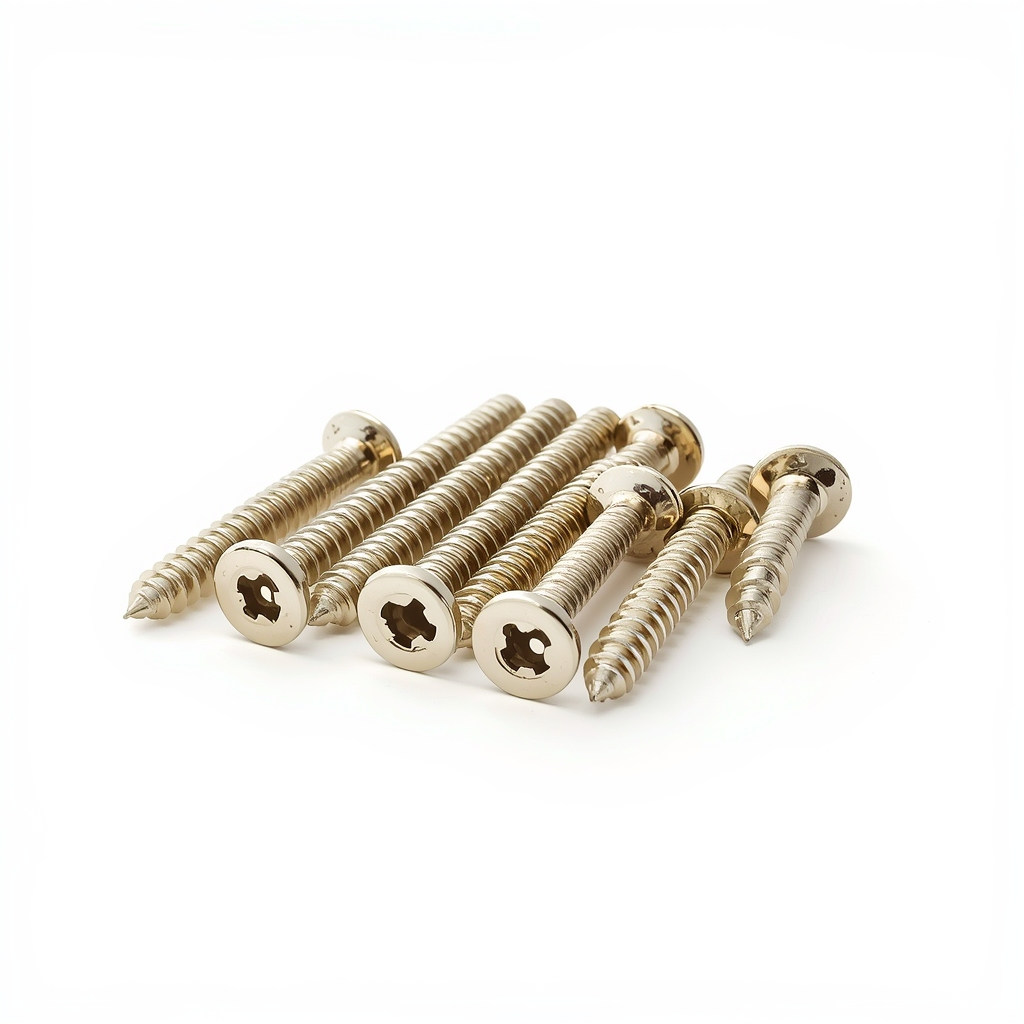
Umfassender Leitfaden zu Gipskartonschrauben-Typen, -Größen, Gewindestilen und Auswahlkriterien.
Marktübersicht: Warum die Auswahl von Gipsschrauben wichtig ist
Der globale Trockenbauschrauben-Markt wurde 2024 auf etwa 2,58 Milliarden USD geschätzt und wird bis 2033 voraussichtlich 4,24 Milliarden USD erreichen, was einer durchschnittlichen jährlichen Wachstumsrate (CAGR) von 5,7 % entspricht. Dieses Wachstum wird durch vermehrte Wohnungsbau- und Renovierungsprojekte, die zunehmende Verwendung von Metallständerwänden, die Nachfrage nach korrosionsbeständigen Befestigungselementen in feuchten Umgebungen sowie den Anstieg von modularen Bauweisen und Fertigbaufertigstellungen angetrieben. Für Beschaffungsteams ist das Verständnis der Trockenbauschrauben-Spezifikationen für den Projekterfolg immer wichtiger. Zugehörige Ressourcen: hochfeste Schrauben, Ankerschrauben, Edelstahl-Befestigungselemente, Sechskantschrauben, Sicherungsmuttern, Unterlegscheiben, selbstbohrende Schrauben, Inbusschrauben. Dieser Beschaffungsrahmen gilt für die Beschaffung von Verbindungselementen in den Bereichen Bau, Bergbau, Energie, Automobilindustrie und allgemeine industrielle Anwendungen. Die Entscheidungslogik priorisiert Qualitätskonstanz, Lieferantenzuverlässigkeit und Gesamtbetriebskosten gegenüber dem kurzfristigen Stückpreis. Für B2B-Einkäufer in Afrika, Lateinamerika und Südostasien umfassen zusätzliche Überlegungen regionale Zollanforderungen, Optionen für die Containerkonsolidierung und Mechanismen zur Zahlungssicherung. Standardisierte Spezifikationen, die projektübergreifend gültig sind, reduzieren den Schulungsaufwand, die Zeit für die RFQ-Bearbeitung und den Aufwand für das Lieferanten-Onboarding.
Was sind Gipsschrauben?
Trockenbauschrauben sind spezialisierte Befestigungselemente, die für die Befestigung von Gipskartonplatten (Trockenbau) auf Holz- oder Metallunterkonstruktionen entwickelt wurden. Im Gegensatz zu herkömmlichen Nägeln bieten Trockenbauschrauben eine überlegene Haltekraft – das Gewinde greift in das Unterkonstruktionsmaterial –, verhindern das Herauslösen (keine herausstehenden Nagelkopf-Beulen), ermöglichen eine schnellere Installation durch Kompatibilität mit Elektrowerkzeugen und bieten eine bessere Oberflächenqualität, da der Trompetenkopf das Einreißen des Kartons verhindert. Eine normbasierte Beschaffung erfordert kontinuierliches Lernen, da ISO-, ASTM-, DIN- und GB-Normen alle 3-5 Jahre überarbeitet werden. Abonnieren Sie Benachrichtigungen zu Normenaktualisierungen und überprüfen Sie die Spezifikationen jährlich. Die im internationalen Handel mit Verbindungselementen am häufigsten verwendeten Normen sind ISO 898-1 (mechanische Eigenschaften), ISO 3506-1 (Edelstahl), ISO 3269 (Abnahmeprüfung), ISO 4042 (Beschichtungen) und ISO 1502 (Gewindelehren). Für B2B-Einkäufer ist der Aufbau einer Normen-Referenzbibliothek mit mindestens den 20 wichtigsten Normen für das eigene Produktsortiment unerlässlich.
Gipsschrauben-Typen: Kopfarten erklärt
Die Kopfform bestimmt, wie die Schraube in der Trockenbauplatte sitzt. Der Trompetenkopf (Bugle Head) ist am gebräuchlichsten – er sitzt bündig, ohne den Karton zu beschädigen, ideal für Standardanwendungen im Trockenbau auf Holz. Der Senkkopf bietet eine größere Auflagefläche für Anwendungen auf Metallständerwerk. Der modifizierte Trompetenkopf kombiniert die Form mit Schneidrippen für ein sauberes Versenken. Der Flachkopf sitzt auf der Oberfläche und wird für spezielle Anwendungen verwendet, die eine breitere Auflagefläche erfordern. Die oben genannte Vergleichsmethodik basiert auf typischen Bereichen aus Branchendaten und der Beschaffungserfahrung von TradeGo 2018-2024. Die tatsächlichen Marktpreise schwanken mit den Rohstoffkosten (Stahl, Zink, Nickel), Energiekosten, Arbeitskosten und Wechselkursen. Für einen genauen Vergleich fordern Sie identische Angebote (RFQs) von 3-5 qualifizierten Lieferanten an und vergleichen Sie die Kosten (Produkt + Versand + Versicherung + Zölle). Der niedrigste Stückpreis ist selten die niedrigste Gesamtbetriebskosten.
| Head Type | Description | Best For |
|---|---|---|
| Bugle Head | Conical underside, sits flush | Standard drywall-to-wood |
| Flat Head | Larger bearing surface | Metal stud applications |
| Modified Bugle | Bugle + trimming ribs | Clean countersinking |
| Pan Head | Sits on surface | Specialty applications |
Gewindearten: Feingewinde vs Grobgewinde
Die Wahl des richtigen Gewindetyps ist entscheidend. Das Feingewinde (S-Typ) hat mehr Gewindegänge pro Zoll und ist für Metallständerwerke konzipiert, wobei es sich selbst in dünnwandigen Stahl schneidet. Das Grobgewinde (W-Typ) hat einen größeren Gewindeabstand und ist für Holzständer gedacht, wo es aggressiv in die Holzfasern beißt. Das Kombinationsgewinde verfügt über sowohl feine als auch grobe Abschnitte für eine vielseitige Kompatibilität mit verschiedenen Untergründen. Die Prüfcheckliste gilt sowohl für die erste Lieferantenqualifizierung als auch für die laufende Chargenprüfung. Bei risikoreichen Anwendungen (tragende Strukturen, Druckbehälter, Bergbau, Schifffahrt) sollten Ermüdungstests, Salzsprühnebeltests (ASTM B117), Drehmoment-Spannungs-Tests und Inspektionen nach der Installation hinzugefügt werden. Die Kosten für zusätzliche Überprüfungen machen 0,1-0,3 % des Auftragswerts aus, während unentdeckte Qualitätsmängel das 10- bis 100-fache des Auftragswerts an Schäden verursachen können.
| Thread Type | TPI | Substrate | Designation |
|---|---|---|---|
| Fine Thread | 22-24 TPI | Metal studs | S-type |
| Coarse Thread | 12-14 TPI | Wood studs | W-type |
| Combination | Variable | Both | S/W-type |
Gipsschrauben-Größen: Vollständige Referenz
| Size | Length | Gauge | Application |
|---|---|---|---|
| 1 inch | 1" | #6 | Single layer, metal studs |
| 1-1/4 inch | 1-1/4" | #6 | Single layer, wood studs |
| 1-5/8 inch | 1-5/8" | #6 | Double layer, wood studs |
| 2 inch | 2" | #8 | Triple layer or furring |
| 2-1/2 inch | 2-1/2" | #8-10 | Specialty applications |
| 3 inch | 3" | #10 | Heavy-duty attachment |
Beschichtungen und Korrosionsbeständigkeit
Die Wahl der Beschichtung beeinflusst sowohl die Leistung als auch die Kosten. Schwarz phosphatierte Oberflächen sind die wirtschaftlichste Option für trockene Innenräume. Verzinkung bietet mäßigen Korrosionsschutz für feuchte Bereiche. Keramikbeschichtungen bieten überlegenen Korrosionsschutz für Anwendungen im Außenbereich und bei hoher Luftfeuchtigkeit. Edelstahl bietet maximalen Korrosionsschutz für marine und chemische Umgebungen, jedoch zu einem höheren Preis. Für B2B-Einkäufer, die in mehreren Ländern tätig sind, sollten Spezifikationen mit regionalen Normen und lokalen Zollanforderungen harmonisiert werden. Gängige regionale Rahmenwerke: SABS (Südafrika), KEBS (Kenia), TBS (Tansania), ZIMRA (Simbabwe), SON (Nigeria) und AfCFTA-Standards für den panafrikanischen Handel. Die Einhaltung lokaler Normen ist bei öffentlichen Infrastrukturprojekten, Bergbaubetrieben und öffentlichen Ausschreibungen oft zwingend erforderlich.
| Coating | Corrosion Resistance | Cost | Best Environment |
|---|---|---|---|
| Black Phosphate | Low | $ | Dry indoor |
| Zinc Plated | Moderate | $$ | Damp indoor |
| Ceramic | High | $$$ | Outdoor/humid |
| Stainless Steel | Maximum | $$$$ | Marine/chemical |
Auswahlhilfe: Die richtige Gipsschraube wählen
Befolgen Sie diesen Entscheidungsrahmen: Schritt 1 – Untergrund identifizieren (Holz- oder Metallständer). Schritt 2 – Dicke der Trockenbauplatte bestimmen (1/2 Zoll oder 5/8 Zoll). Schritt 3 – Schraubenlänge wählen (Eindringtiefe sollte mindestens 5/8 Zoll in die Unterkonstruktion betragen). Schritt 4 – Beschichtung basierend auf der Umgebung auswählen. Schritt 5 – Lokale Bauvorschriften überprüfen. Für die Massenbeschaffung sollten Sie eine gemischte Auswahl in Betracht ziehen, um gängige Anwendungen abzudecken. Weitere Informationen finden Sie auch in unseren Leitfäden zu selbstbohrenden Schrauben, Beschichtungsoptionen und [Qualitätsstandards](/en/industry/Befestigungselemente-Qualitätskontrolle-iso9001).
Häufig gestellte Fragen
Sehen Sie sich die häufig gestellten Fragen unten an.
Verwandte Ressourcen: Hochfeste Bolzen Ankerbolzen Edelstahl-Befestigungselemente Sechskantbolzen Sicherungsmuttern Unterlegscheiben Selbstbohrende Schrauben Innensechskant-Schrauben.Can I use drywall screws for wood-to-wood connections?
While possible, drywall screws are not designed for structural wood-to-wood connections. They lack the shear strength of wood screws. Use appropriate wood screws for structural applications.
What is the difference between S-type and W-type drywall screws?
S-type has fine threads for metal studs; W-type has coarse threads for wood studs. Using the wrong type can result in poor holding power or stripping.
How many drywall screws do I need per sheet?
Standard practice is 32 screws per 4×8 sheet on walls (screws every 12" along studs) and 36 screws per sheet on ceilings (screws every 12" along joists, plus perimeter).
Are drywall screws code-compliant?
Yes, when used per manufacturer specifications and local building codes. Always verify with your local authority having jurisdiction (AHJ).
Need bulk drywall screws? Get a factory-direct quote from TradeGo.
Get Quote