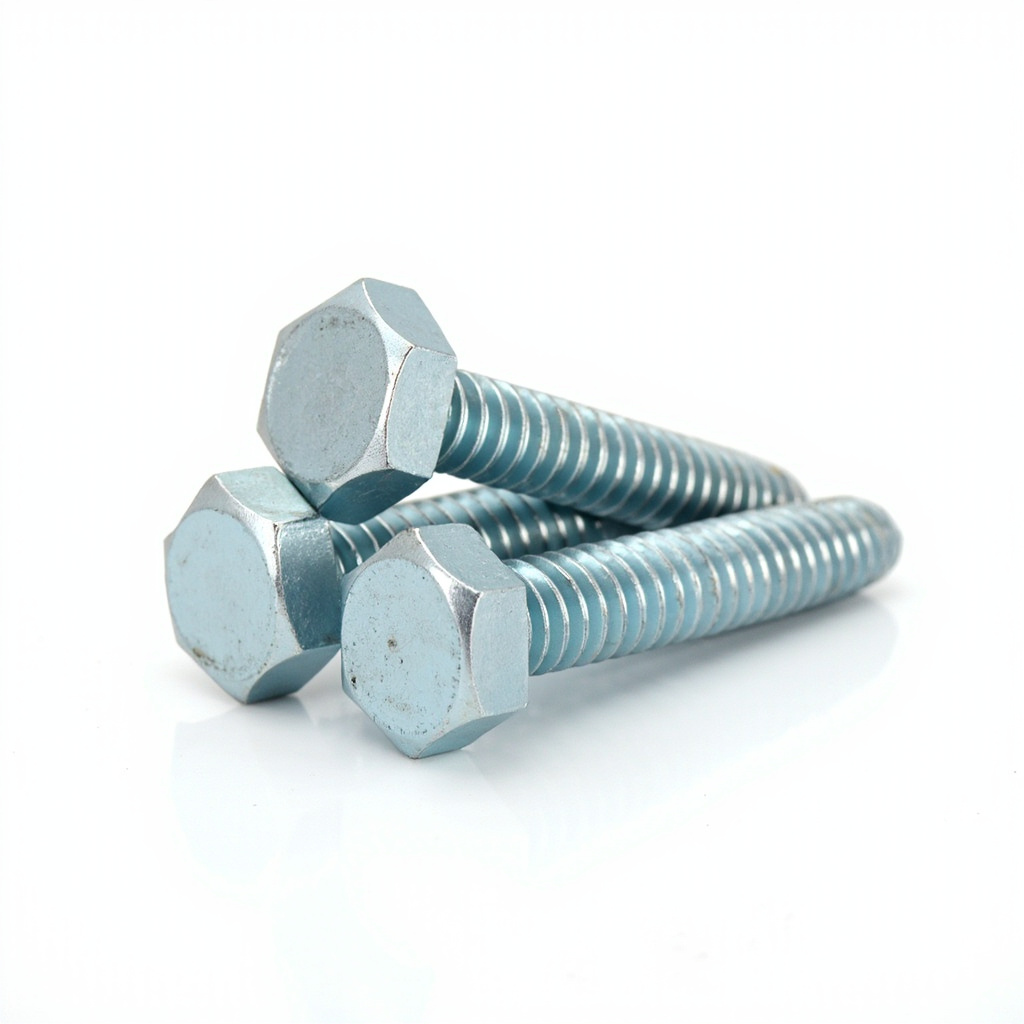
Complete guide to high-tensile structural <a href="/products#bolts-nuts" class="text-primary-600 hover:text-primary-800 underline underline-offset-2"><a.
What Are High-Tensile Structural Bolts?
High-tensile structural bolts are engineered for load-bearing connections in steel structures. Unlike ordinary hex bolts, structural bolts are manufactured to exacting mechanical tolerances and are designed to be tightened to a specific preload (clamping force). They are the backbone of modern steel construction — from high-rise buildings to industrial warehouses in Africa's growing construction market. Related resources: high-tensile bolts anchor bolts stainless steel fasteners hex bolts lock nuts washers self-drilling screws socket screws. This procurement framework applies to fastener sourcing for construction, mining, energy, automotive, and general industrial applications. The decision logic prioritizes quality consistency, supplier reliability, and total cost of ownership over short-term unit price. For B2B buyers in Africa, Latin America, and Southeast Asia, additional considerations include regional customs requirements, container consolidation options, and payment security mechanisms. Standardized specifications that travel across projects reduce training time, RFQ processing time, and supplier onboarding effort. This procurement framework applies to fastener sourcing for construction, mining, energy, automotive, and general industrial applications. The decision logic prioritizes quality consistency, supplier reliability, and total cost of ownership over short-term unit price. For B2B buyers in Africa, Latin America, and Southeast Asia, additional considerations include regional customs requirements, container consolidation options, and payment security mechanisms. Standardized specifications that travel across projects reduce training time, RFQ processing time, and supplier onboarding effort. This procurement framework applies to fastener sourcing for construction, mining, energy, automotive, and general industrial applications. The decision logic prioritizes quality consistency, supplier reliability, and total cost of ownership over short-term unit price. For B2B buyers in Africa, Latin America, and Southeast Asia, additional considerations include regional customs requirements, container consolidation options, and payment security mechanisms. Standardized specifications that travel across projects reduce training time, RFQ processing time, and supplier onboarding effort.
ASTM Standards: A325 vs A490
ASTM A325 bolts are heat-treated medium-carbon steel with minimum tensile strength of 825 MPa (120 ksi). They are the most widely used structural bolts in the world. ASTM A490 bolts are heat-treated alloy steel with minimum tensile strength of 1035 MPa (150 ksi), offering higher strength but with stricter installation controls and prohibition of hot-dip galvanizing. Standards-based procurement requires continuous learning as ISO, ASTM, DIN, and GB standards are revised every 3-5 years. Subscribe to standards update notifications and review specifications annually. The most common standards used in international fastener trade are ISO 898-1 (mechanical properties), ISO 3506-1 (stainless), ISO 3269 (acceptance inspection), ISO 4042 (coatings), and ISO 1502 (thread gauges). For B2B buyers, building a standards reference library with at least the top 20 standards relevant to your product mix is essential. Standards-based procurement requires continuous learning as ISO, ASTM, DIN, and GB standards are revised every 3-5 years. Subscribe to standards update notifications and review specifications annually. The most common standards used in international fastener trade are ISO 898-1 (mechanical properties), ISO 3506-1 (stainless), ISO 3269 (acceptance inspection), ISO 4042 (coatings), and ISO 1502 (thread gauges). For B2B buyers, building a standards reference library with at least the top 20 standards relevant to your product mix is essential. Standards-based procurement requires continuous learning as ISO, ASTM, DIN, and GB standards are revised every 3-5 years. Subscribe to standards update notifications and review specifications annually. The most common standards used in international fastener trade are ISO 898-1 (mechanical properties), ISO 3506-1 (stainless), ISO 3269 (acceptance inspection), ISO 4042 (coatings), and ISO 1502 (thread gauges). For B2B buyers, building a standards reference library with at least the top 20 standards relevant to your product mix is essential.
| Standard | Material | Tensile Strength | Yield Strength | Galvanizing |
|---|---|---|---|---|
| ASTM A325 | Medium carbon steel | 825 MPa | 635 MPa | Allowed (mechanical or hot-dip) |
| ASTM A490 | Alloy steel | 1035 MPa | 895 MPa | Not allowed |
| ISO 4014 Grade 10.9 | Alloy steel | 1000 MPa | 900 MPa | Allowed |
| ISO 4014 Grade 8.8 | Medium carbon steel | 800 MPa | 640 MPa | Allowed |
Proper Installation: Turn-of-Nut & DTI Methods
Structural bolts require controlled tightening to achieve the proper preload. The two most common methods are: Turn-of-Nut method — rotate the nut a calculated amount after snug-tightening (typically 1/2 to 3/4 turn depending on bolt length and diameter). Direct Tension Indicator (DTI) method — use specialized washers with protrusions that compress when proper preload is reached. For African construction, the Turn-of-Nut method is most common due to its simplicity and minimal equipment requirements. The comparison methodology above uses typical ranges from industry data and TradeGo procurement experience 2018-2024. Actual market prices fluctuate with raw material costs (steel, zinc, nickel), energy costs, labor costs, and currency exchange rates. For accurate comparison, request identical RFQs from 3-5 qualified suppliers and compare landed cost (product + shipping + insurance + duties). The lowest unit price is rarely the lowest total cost of ownership. The comparison methodology above uses typical ranges from industry data and TradeGo procurement experience 2018-2024. Actual market prices fluctuate with raw material costs (steel, zinc, nickel), energy costs, labor costs, and currency exchange rates. For accurate comparison, request identical RFQs from 3-5 qualified suppliers and compare landed cost (product + shipping + insurance + duties). The lowest unit price is rarely the lowest total cost of ownership. The comparison methodology above uses typical ranges from industry data and TradeGo procurement experience 2018-2024. Actual market prices fluctuate with raw material costs (steel, zinc, nickel), energy costs, labor costs, and currency exchange rates. For accurate comparison, request identical RFQs from 3-5 qualified suppliers and compare landed cost (product + shipping + insurance + duties). The lowest unit price is rarely the lowest total cost of ownership.
| Method | Equipment Needed | Accuracy | Best For |
|---|---|---|---|
| Turn-of-Nut | Spud wrench, marking pen | Good | Field installation |
| DTI Washers | DTI washers, standard wrench | Very good | Critical connections |
| Torque Wrench | Calibrated torque wrench | Moderate | Indoor/factory work |
| TC Bolts | Twist-off bolts, special wrench | Excellent | High-volume production |
Applications in African Construction
In Africa's rapidly expanding construction sector, high-tensile structural bolts are essential for: Warehouse and industrial building construction — bolted connections are faster than welding for on-site assembly. Mining infrastructure — structural bolts in conveyor systems, processing plants, and storage silos. Solar panel mounting structures — ground screw foundations and rafter connections use 10.9 bolts. Telecom towers — monopoles and lattice towers rely on A325/A490 bolts for structural joints. Bridge construction — both A325 and high-strength A490 are used in bridge deck and truss connections. The verification checklist applies to both initial supplier qualification and ongoing batch inspection. For high-risk applications (load-bearing structural, pressure vessels, mining, marine), add fatigue testing, salt-spray testing (ASTM B117), torque-tension testing, and post-installation inspection. The cost of additional verification is 0.1-0.3% of order value, while undetected quality failures can be 10-100x the order value in damages. The verification checklist applies to both initial supplier qualification and ongoing batch inspection. For high-risk applications (load-bearing structural, pressure vessels, mining, marine), add fatigue testing, salt-spray testing (ASTM B117), torque-tension testing, and post-installation inspection. The cost of additional verification is 0.1-0.3% of order value, while undetected quality failures can be 10-100x the order value in damages. The verification checklist applies to both initial supplier qualification and ongoing batch inspection. For high-risk applications (load-bearing structural, pressure vessels, mining, marine), add fatigue testing, salt-spray testing (ASTM B117), torque-tension testing, and post-installation inspection. The cost of additional verification is 0.1-0.3% of order value, while undetected quality failures can be 10-100x the order value in damages.
Procurement Checklist for African Projects
Before placing orders, verify: Material test reports (MTRs) — each batch should have certified chemistry and mechanical properties. Dimension verification — threads per ISO metric or UNC/UNF imperial as specified. Coating specification — hot-dip galvanized (80μm minimum per ISO 1461) for coastal projects; mechanical zinc for inland. Nut and washer compatibility — assemblies should be supplied as matched sets from the same manufacturer. Markings — A325 bolts are marked with 'A325' and manufacturer symbol; A490 bolts marked with 'A490'. Supplier evaluation should be a continuous process, not a one-time exercise. Re-evaluate suppliers annually based on delivery performance, quality metrics, price competitiveness, and responsiveness. Maintain a supplier scorecard with weighted metrics: on-time delivery (25%), quality acceptance rate (30%), price competitiveness (20%), responsiveness (15%), and documentation accuracy (10%). Drop suppliers scoring below 70% over a 6-month period and qualify replacements. Supplier evaluation should be a continuous process, not a one-time exercise. Re-evaluate suppliers annually based on delivery performance, quality metrics, price competitiveness, and responsiveness. Maintain a supplier scorecard with weighted metrics: on-time delivery (25%), quality acceptance rate (30%), price competitiveness (20%), responsiveness (15%), and documentation accuracy (10%). Drop suppliers scoring below 70% over a 6-month period and qualify replacements. Supplier evaluation should be a continuous process, not a one-time exercise. Re-evaluate suppliers annually based on delivery performance, quality metrics, price competitiveness, and responsiveness. Maintain a supplier scorecard with weighted metrics: on-time delivery (25%), quality acceptance rate (30%), price competitiveness (20%), responsiveness (15%), and documentation accuracy (10%). Drop suppliers scoring below 70% over a 6-month period and qualify replacements.
Frequently Asked Questions
See frequently asked questions below.
Related resources: high-tensile bolts anchor bolts stainless steel fasteners hex bolts lock nuts washers self-drilling screws socket screws. For B2B buyers operating in multiple countries, harmonize specifications with regional standards and local customs requirements. Common regional frameworks: SABS (South Africa), KEBS (Kenya), TBS (Tanzania), ZIMRA (Zimbabwe), SON (Nigeria), and AfCFTA standards for pan-Africa trade. Local standards compliance is often mandatory for public infrastructure projects, mining operations, and government tenders. For B2B buyers operating in multiple countries, harmonize specifications with regional standards and local customs requirements. Common regional frameworks: SABS (South Africa), KEBS (Kenya), TBS (Tanzania), ZIMRA (Zimbabwe), SON (Nigeria), and AfCFTA standards for pan-Africa trade. Local standards compliance is often mandatory for public infrastructure projects, mining operations, and government tenders. For B2B buyers operating in multiple countries, harmonize specifications with regional standards and local customs requirements. Common regional frameworks: SABS (South Africa), KEBS (Kenya), TBS (Tanzania), ZIMRA (Zimbabwe), SON (Nigeria), and AfCFTA standards for pan-Africa trade. Local standards compliance is often mandatory for public infrastructure projects, mining operations, and government tenders.What's the difference between A325 and Grade 10.9 bolts?
A325 and Grade 10.9 are roughly equivalent in strength. A325 has a minimum tensile of 825 MPa while Grade 10.9 is 1000 MPa. However, A325 is specifically designed for structural applications with controlled installation requirements, while 10.9 is a general mechanical property class. For structural steel work, either is acceptable if specified by the engineer.
Can A490 bolts be hot-dip galvanized?
No, ASTM A490 prohibits hot-dip galvanizing due to risk of hydrogen embrittlement. For corrosion resistance, A490 bolts must use alternative coatings such as zinc-flake (Geomet, Magni) or mechanically deposited zinc. This significantly increases cost compared to A325.
What happens if structural bolts are under-tightened?
Under-tightened structural bolts act as ordinary bearing-type connections rather than friction-type connections. This reduces the load-carrying capacity of the joint and can lead to joint slippage, which may cause structural failure under dynamic or cyclic loading. Always follow the specified tightening procedure.
Sourcing high-tensile structural bolts for your African project? Get a factory quote from TradeGo.
Get Quote