Complete guide to timber <a href="/products" class="text-primary-600 hover:text-primary-800 underline underline-offset-2"><a href="/products".
Wood Screws: Selection and Use
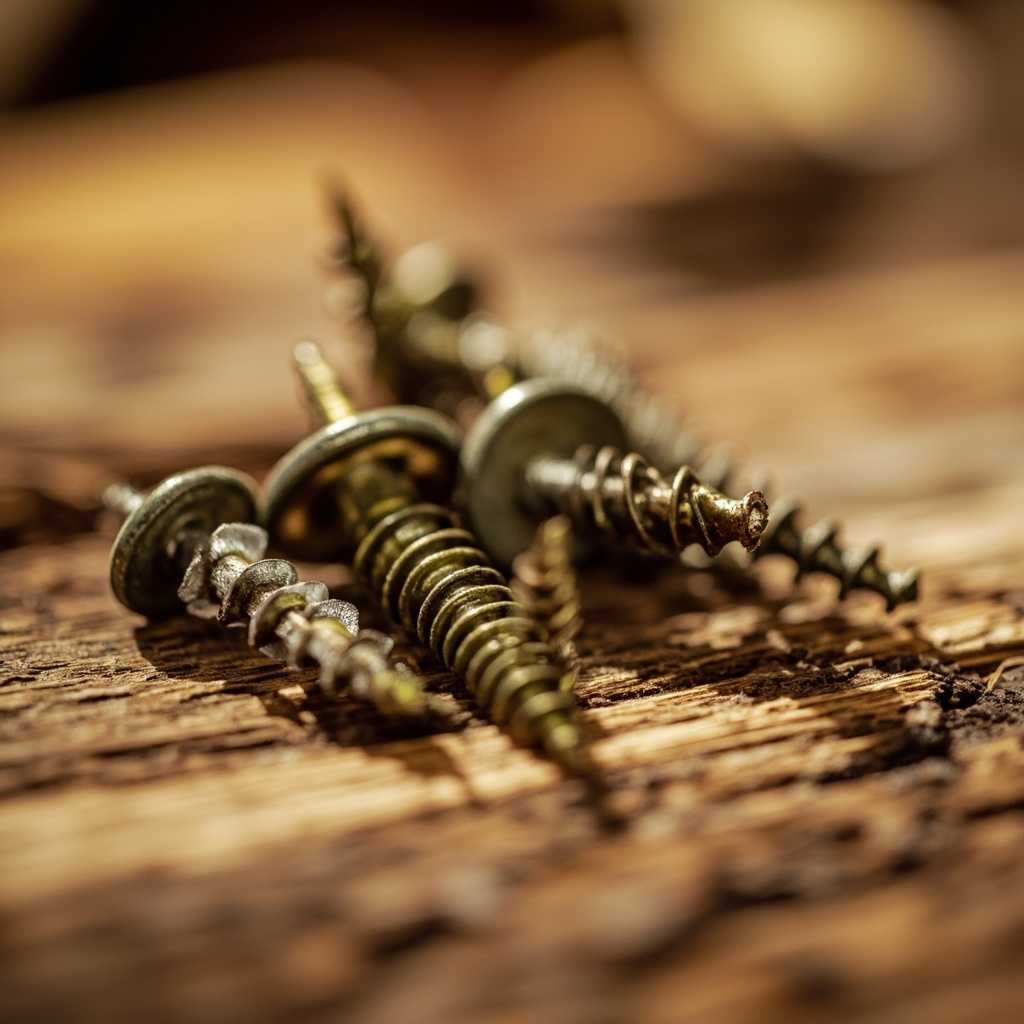
Wood screws are designed for fastening wood to wood: Types: - Flat head: Countersinks for flush surface - Round head: Provides bearing surface - Bugle head: For drywall and sheathing Key Features: - Sharp point for easy starting - Coarse thread for wood gripping - Smooth shank for easy insertion - Various lengths and gauges Selection Tips: - Length: 2.5x thickness of top board - Gauge: Match to load requirements - Head: Match to application - Coating: Exterior use requires corrosion resistance Related resources: high-tensile bolts anchor bolts stainless steel fasteners hex bolts lock nuts washers self-drilling screws socket screws. This procurement framework applies to fastener sourcing for construction, mining, energy, automotive, and general industrial applications. The decision logic prioritizes quality consistency, supplier reliability, and total cost of ownership over short-term unit price. For B2B buyers in Africa, Latin America, and Southeast Asia, additional considerations include regional customs requirements, container consolidation options, and payment security mechanisms. Standardized specifications that travel across projects reduce training time, RFQ processing time, and supplier onboarding effort. This procurement framework applies to fastener sourcing for construction, mining, energy, automotive, and general industrial applications. The decision logic prioritizes quality consistency, supplier reliability, and total cost of ownership over short-term unit price. For B2B buyers in Africa, Latin America, and Southeast Asia, additional considerations include regional customs requirements, container consolidation options, and payment security mechanisms. Standardized specifications that travel across projects reduce training time, RFQ processing time, and supplier onboarding effort. This procurement framework applies to fastener sourcing for construction, mining, energy, automotive, and general industrial applications. The decision logic prioritizes quality consistency, supplier reliability, and total cost of ownership over short-term unit price. For B2B buyers in Africa, Latin America, and Southeast Asia, additional considerations include regional customs requirements, container consolidation options, and payment security mechanisms. Standardized specifications that travel across projects reduce training time, RFQ processing time, and supplier onboarding effort. This procurement framework applies to fastener sourcing for construction, mining, energy, automotive, and general industrial applications. The decision logic prioritizes quality consistency, supplier reliability, and total cost of ownership over short-term unit price. For B2B buyers in Africa, Latin America, and Southeast Asia, additional considerations include regional customs requirements, container consolidation options, and payment security mechanisms. Standardized specifications that travel across projects reduce training time, RFQ processing time, and supplier onboarding effort.
Coach Screws (Lag Screws)
Coach screws/a> (lag screws/a>) are heavy-duty wood fasteners/a>: DIN 571 / ISO 8678: Hex head wood screws Features: - Hex head for wrench tightening - Coarse, sharp threads - Full thread or partial thread - Heavy-gauge construction Applications: - Timber frame connections - Deck construction - Pergola and gazebo building - Furniture assembly Installation: - Pre-drill pilot hole (especially for hard woods) - Use washers/a>" class="text-primary-600 hover:text-primary-800 underline underline-offset-2">washer/a> under head - Drive with wrench or imwashers/a>iver TradeGo washer/a>-600 hover:text-primary-800 underline underline-offset-2">coach screws/a>are hot-dip galvanized for exterior use. Standards-based procurement requires continuous learning as ISO, ASTM, DIN, and GB standards are revised every 3-5 years. Subscribe to standards update notifications and review specifications annually. The most common standards used in international fastener trade are ISO 898-1 (mechanical properties), ISO 3506-1 (stainless), ISO 3269 (acceptance inspection), ISO 4042 (coatings), and ISO 1502 (thread gauges). For B2B buyers, building a standards reference library with at least the top 20 standards relevant to your product mix is essential. Standards-based procurement requires continuous learning as ISO, ASTM, DIN, and GB standards are revised every 3-5 years. Subscribe to standards update notifications and review specifications annually. The most common standards used in international fastener trade are ISO 898-1 (mechanical properties), ISO 3506-1 (stainless), ISO 3269 (acceptance inspection), ISO 4042 (coatings), and ISO 1502 (thread gauges). For B2B buyers, building a standards reference library with at least the top 20 standards relevant to your product mix is essential. Standards-based procurement requires continuous learning as ISO, ASTM, DIN, and GB standards are revised every 3-5 years. Subscribe to standards update notifications and review specifications annually. The most common standards used in international fastener trade are ISO 898-1 (mechanical properties), ISO 3506-1 (stainless), ISO 3269 (acceptance inspection), ISO 4042 (coatings), and ISO 1502 (thread gauges). For B2B buyers, building a standards reference library with at least the top 20 standards relevant to your product mix is essential. Standards-based procurement requires continuous learning as ISO, ASTM, DIN, and GB standards are revised every 3-5 years. Subscribe to standards update notifications and review specifications annually. The most common standards used in international fastener trade are ISO 898-1 (mechanical properties), ISO 3506-1 (stainless), ISO 3269 (acceptance inspection), ISO 4042 (coatings), and ISO 1502 (thread gauges). For B2B buyers, building a standards reference library with at least the top 20 standards relevant to your product mix is essential.
Timber Connectors
Metal connectors improve timber connection strength: Types: - Joist hangers: Support joists at beams - Strap ties: Reinforce joints - Post bases: Secure posts to concrete - Holdowns: Resist uplift forces Materials: - Galvanized steel: Standard interior - Hot-dip galvanized: Exterior/damp locations - Stainless steel: Marine/coastal Benefits: - Increased load capacity - Reduced notching of timber - Standardized connection details - Faster installation The comparison methodology above uses typical ranges from industry data and TradeGo procurement experience 2018-2024. Actual market prices fluctuate with raw material costs (steel, zinc, nickel), energy costs, labor costs, and currency exchange rates. For accurate comparison, request identical RFQs from 3-5 qualified suppliers and compare landed cost (product + shipping + insurance + duties). The lowest unit price is rarely the lowest total cost of ownership. The comparison methodology above uses typical ranges from industry data and TradeGo procurement experience 2018-2024. Actual market prices fluctuate with raw material costs (steel, zinc, nickel), energy costs, labor costs, and currency exchange rates. For accurate comparison, request identical RFQs from 3-5 qualified suppliers and compare landed cost (product + shipping + insurance + duties). The lowest unit price is rarely the lowest total cost of ownership. The comparison methodology above uses typical ranges from industry data and TradeGo procurement experience 2018-2024. Actual market prices fluctuate with raw material costs (steel, zinc, nickel), energy costs, labor costs, and currency exchange rates. For accurate comparison, request identical RFQs from 3-5 qualified suppliers and compare landed cost (product + shipping + insurance + duties). The lowest unit price is rarely the lowest total cost of ownership. The comparison methodology above uses typical ranges from industry data and TradeGo procurement experience 2018-2024. Actual market prices fluctuate with raw material costs (steel, zinc, nickel), energy costs, labor costs, and currency exchange rates. For accurate comparison, request identical RFQs from 3-5 qualified suppliers and compare landed cost (product + shipping + insurance + duties). The lowest unit price is rarely the lowest total cost of ownership.
Frequently Asked Questions
See frequently asked questions below.
Related resources: high-tensile bolts anchor bolts stainless steel fasteners hex bolts lock nuts washers self-drilling screws socket screws. The verification checklist applies to both initial supplier qualification and ongoing batch inspection. For high-risk applications (load-bearing structural, pressure vessels, mining, marine), add fatigue testing, salt-spray testing (ASTM B117), torque-tension testing, and post-installation inspection. The cost of additional verification is 0.1-0.3% of order value, while undetected quality failures can be 10-100x the order value in damages. The verification checklist applies to both initial supplier qualification and ongoing batch inspection. For high-risk applications (load-bearing structural, pressure vessels, mining, marine), add fatigue testing, salt-spray testing (ASTM B117), torque-tension testing, and post-installation inspection. The cost of additional verification is 0.1-0.3% of order value, while undetected quality failures can be 10-100x the order value in damages. The verification checklist applies to both initial supplier qualification and ongoing batch inspection. For high-risk applications (load-bearing structural, pressure vessels, mining, marine), add fatigue testing, salt-spray testing (ASTM B117), torque-tension testing, and post-installation inspection. The cost of additional verification is 0.1-0.3% of order value, while undetected quality failures can be 10-100x the order value in damages. The verification checklist applies to both initial supplier qualification and ongoing batch inspection. For high-risk applications (load-bearing structural, pressure vessels, mining, marine), add fatigue testing, salt-spray testing (ASTM B117), torque-tension testing, and post-installation inspection. The cost of additional verification is 0.1-0.3% of order value, while undetected quality failures can be 10-100x the order value in damages.What is the difference between coach screws and wood screws?
Coach screws (lag screws) have a hex head for wrench tightening and are heavy-duty for wood-to-wood connections. Wood screws have slotted or Phillips heads and are lighter duty, designed for assembling wood components.
What size coach screw do I need for deck joists?
For deck joist connections, M8 × 80mm or M10 × 100mm coach screws are typically used. The screw should penetrate at least 2.5x the thickness of the second board. Check local building codes for specific requirements.
Can coach screws be used in pressure-treated timber?
Yes, hot-dip galvanized (HDG) coach screws are recommended for ACQ (alkaline copper quaternary) pressure-treated timber. Standard zinc-plated screws may corrode. Always check the coating compatibility with your treatment type.
Do I need to pre-drill pilot holes for coach screws?
Yes, especially for hardwoods. Pre-drill a pilot hole equal to the screw's root (core) diameter. This prevents splitting and ensures proper thread engagement. For softwoods, you may skip pre-drilling for smaller sizes.
How far should coach screws penetrate into the second timber?
For proper holding power, coach screws should penetrate at least 2.5x the screw diameter into the receiving timber. For an M10 screw, that means at least 25mm penetration into the second board.
Request Timber Fasteners
Request Quote