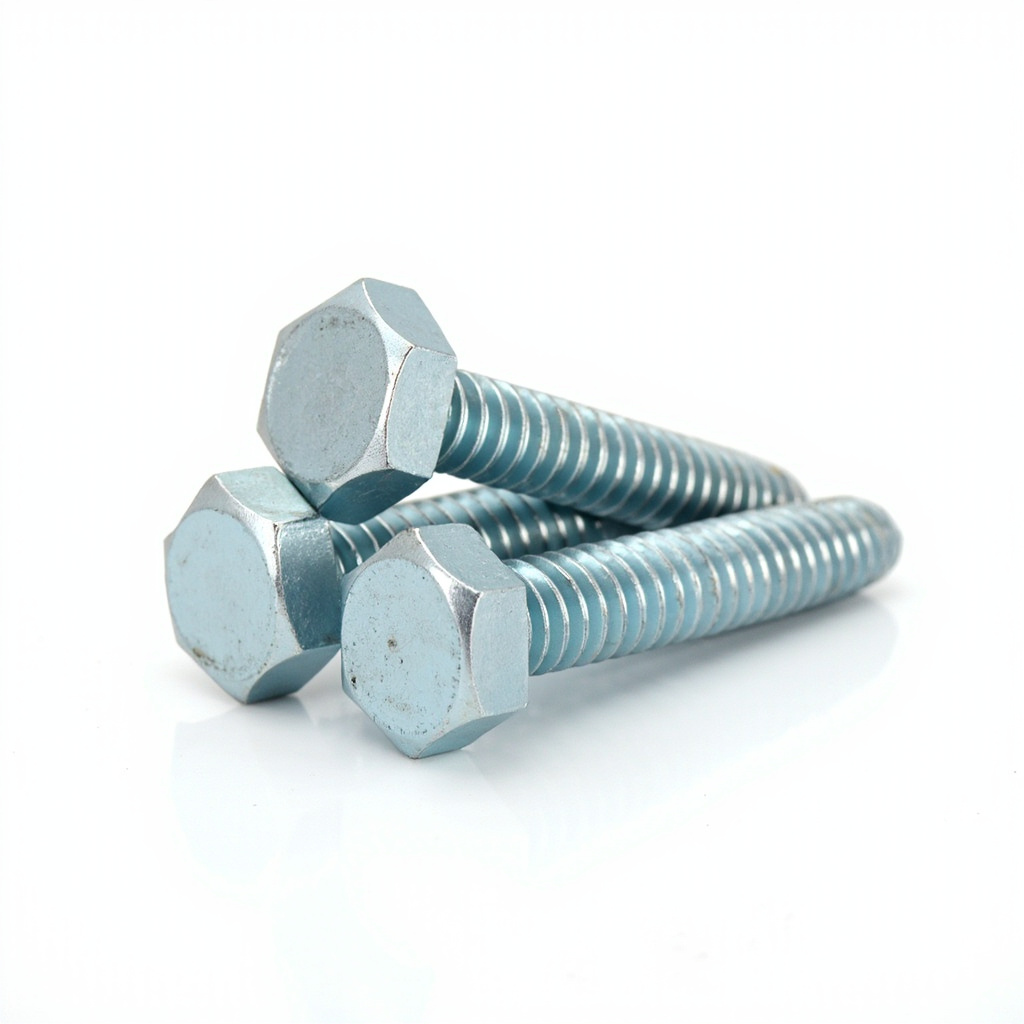
Guía completa de pernos estructurales de alta resistencia que cubre ASTM A325, A490 e ISO Grado 10.9.
¿Qué son los pernos estructurales de alta resistencia?
Los pernos estructurales de alta resistencia están diseñados para conexiones portantes en estructuras de acero. A diferencia de los pernos hexagonales ordinarios, los pernos estructurales se fabrican siguiendo tolerancias mecánicas muy estrictas y están diseñados para apretarse hasta alcanzar una precarga específica (fuerza de sujeción). Son la columna vertebral de la construcción moderna en acero, desde edificios de gran altura hasta almacenes industriales en el creciente mercado de la construcción en África. Recursos relacionados: pernos de alta resistencia pernos de anclaje fijaciones de acero inoxidable pernos hexagonales tuercas de seguridad arandelas tornillos autoperforantes tornillos Allen. Este marco de adquisiciones se aplica al aprovisionamiento de fijaciones para construcción, minería, energía, automoción y aplicaciones industriales generales. La lógica de decisión prioriza la consistencia de calidad, la fiabilidad del proveedor y el coste total de propiedad sobre el precio unitario a corto plazo. Para compradores B2B en África, América Latina y el sudeste asiático, las consideraciones adicionales incluyen los requisitos aduaneros regionales, las opciones de consolidación de contenedores y los mecanismos de seguridad de pago. Las especificaciones estandarizadas que se trasladan entre proyectos reducen el tiempo de capacitación, el tiempo de procesamiento de RFQ y el esfuerzo de incorporación de proveedores. Este marco de adquisiciones se aplica al aprovisionamiento de fijaciones para construcción, minería, energía, automoción y aplicaciones industriales generales. La lógica de decisión prioriza la consistencia de calidad, la fiabilidad del proveedor y el coste total de propiedad sobre el precio unitario a corto plazo. Para compradores B2B en África, América Latina y el sudeste asiático, las consideraciones adicionales incluyen los requisitos aduaneros regionales, las opciones de consolidación de contenedores y los mecanismos de seguridad de pago. Las especificaciones estandarizadas que se trasladan entre proyectos reducen el tiempo de capacitación, el tiempo de procesamiento de RFQ y el esfuerzo de incorporación de proveedores. Este marco de adquisiciones se aplica al aprovisionamiento de fijaciones para construcción, minería, energía, automoción y aplicaciones industriales generales. La lógica de decisión prioriza la consistencia de calidad, la fiabilidad del proveedor y el coste total de propiedad sobre el precio unitario a corto plazo. Para compradores B2B en África, América Latina y el sudeste asiático, las consideraciones adicionales incluyen los requisitos aduaneros regionales, las opciones de consolidación de contenedores y los mecanismos de seguridad de pago. Las especificaciones estandarizadas que se trasladan entre proyectos reducen el tiempo de capacitación, el tiempo de procesamiento de RFQ y el esfuerzo de incorporación de proveedores.
Normas ASTM: A325 vs A490
Los pernos ASTM A325 son de acero al carbono medio tratado térmicamente con una resistencia mínima a la tracción de 825 MPa (120 ksi). Son los pernos estructurales más utilizados en el mundo. Los pernos ASTM A490 son de acero aleado tratado térmicamente con una resistencia mínima a la tracción de 1035 MPa (150 ksi), ofreciendo mayor resistencia pero con controles de instalación más estrictos y prohibición de galvanizado por inmersión en caliente. La adquisición basada en normas requiere un aprendizaje continuo, ya que las normas ISO, ASTM, DIN y GB se revisan cada 3-5 años. Suscríbase a las notificaciones de actualización de normas y revise las especificaciones anualmente. Las normas más comunes utilizadas en el comercio internacional de fijaciones son ISO 898-1 (propiedades mecánicas), ISO 3506-1 (acero inoxidable), ISO 3269 (inspección de aceptación), ISO 4042 (revestimientos) e ISO 1502 (calibres de rosca). Para los compradores B2B, es esencial construir una biblioteca de referencia de normas con al menos las 20 normas principales relevantes para su combinación de productos. La adquisición basada en normas requiere un aprendizaje continuo, ya que las normas ISO, ASTM, DIN y GB se revisan cada 3-5 años. Suscríbase a las notificaciones de actualización de normas y revise las especificaciones anualmente. Las normas más comunes utilizadas en el comercio internacional de fijaciones son ISO 898-1 (propiedades mecánicas), ISO 3506-1 (acero inoxidable), ISO 3269 (inspección de aceptación), ISO 4042 (revestimientos) e ISO 1502 (calibres de rosca). Para los compradores B2B, es esencial construir una biblioteca de referencia de normas con al menos las 20 normas principales relevantes para su combinación de productos. La adquisición basada en normas requiere un aprendizaje continuo, ya que las normas ISO, ASTM, DIN y GB se revisan cada 3-5 años. Suscríbase a las notificaciones de actualización de normas y revise las especificaciones anualmente. Las normas más comunes utilizadas en el comercio internacional de fijaciones son ISO 898-1 (propiedades mecánicas), ISO 3506-1 (acero inoxidable), ISO 3269 (inspección de aceptación), ISO 4042 (revestimientos) e ISO 1502 (calibres de rosca). Para los compradores B2B, es esencial construir una biblioteca de referencia de normas con al menos las 20 normas principales relevantes para su combinación de productos.
| Standard | Material | Tensile Strength | Yield Strength | Galvanizing |
|---|---|---|---|---|
| ASTM A325 | Medium carbon steel | 825 MPa | 635 MPa | Allowed (mechanical or hot-dip) |
| ASTM A490 | Alloy steel | 1035 MPa | 895 MPa | Not allowed |
| ISO 4014 Grade 10.9 | Alloy steel | 1000 MPa | 900 MPa | Allowed |
| ISO 4014 Grade 8.8 | Medium carbon steel | 800 MPa | 640 MPa | Allowed |
Instalación correcta: Métodos de giro de tuerca y DTI
Los pernos estructurales requieren un apriete controlado para alcanzar la precarga adecuada. Los dos métodos más comunes son: Método de giro de tuerca — gire la tuerca una cantidad calculada después del apriete inicial (normalmente de 1/2 a 3/4 de vuelta según la longitud y el diámetro del perno). Método de Indicador de Tensión Directa (DTI) — utilice arandelas especializadas con protuberancias que se comprimen cuando se alcanza la precarga adecuada. Para la construcción en África, el método de giro de tuerca es el más común debido a su simplicidad y requisitos mínimos de equipo. La metodología de comparación anterior utiliza rangos típicos de datos de la industria y la experiencia de adquisiciones de TradeGo entre 2018 y 2024. Los precios reales del mercado fluctúan con los costes de materias primas (acero, zinc, níquel), costes energéticos, costes laborales y tipos de cambio. Para una comparación precisa, solicite RFQ idénticos de 3 a 5 proveedores cualificados y compare el coste puesto en destino (producto + envío + seguro + aranceles). El precio unitario más bajo rara vez es el menor coste total de propiedad. La metodología de comparación anterior utiliza rangos típicos de datos de la industria y la experiencia de adquisiciones de TradeGo entre 2018 y 2024. Los precios reales del mercado fluctúan con los costes de materias primas (acero, zinc, níquel), costes energéticos, costes laborales y tipos de cambio. Para una comparación precisa, solicite RFQ idénticos de 3 a 5 proveedores cualificados y compare el coste puesto en destino (producto + envío + seguro + aranceles). El precio unitario más bajo rara vez es el menor coste total de propiedad. La metodología de comparación anterior utiliza rangos típicos de datos de la industria y la experiencia de adquisiciones de TradeGo entre 2018 y 2024. Los precios reales del mercado fluctúan con los costes de materias primas (acero, zinc, níquel), costes energéticos, costes laborales y tipos de cambio. Para una comparación precisa, solicite RFQ idénticos de 3 a 5 proveedores cualificados y compare el coste puesto en destino (producto + envío + seguro + aranceles). El precio unitario más bajo rara vez es el menor coste total de propiedad.
| Method | Equipment Needed | Accuracy | Best For |
|---|---|---|---|
| Turn-of-Nut | Spud wrench, marking pen | Good | Field installation |
| DTI Washers | DTI washers, standard wrench | Very good | Critical connections |
| Torque Wrench | Calibrated torque wrench | Moderate | Indoor/factory work |
| TC Bolts | Twist-off bolts, special wrench | Excellent | High-volume production |
Aplicaciones en la construcción en África
En el sector de la construcción en rápida expansión de África, los pernos estructurales de alta resistencia son esenciales para: Construcción de almacenes y naves industriales — las conexiones atornilladas son más rápidas que la soldadura para el montaje en obra. Infraestructura minera — pernos estructurales en sistemas transportadores, plantas de procesamiento y silos de almacenamiento. Estructuras de montaje de paneles solares — las cimentaciones con tornillos de tierra y las conexiones de correas utilizan pernos 10.9. Torres de telecomunicaciones — los monopolos y las torres de celosía dependen de pernos A325/A490 para juntas estructurales. Construcción de puentes — tanto A325 como A490 de alta resistencia se utilizan en conexiones de tablero y armaduras de puentes. La lista de verificación se aplica tanto a la cualificación inicial del proveedor como a la inspección continua de lotes. Para aplicaciones de alto riesgo (estructural portante, recipientes a presión, minería, marina), añada pruebas de fatiga, pruebas de niebla salina (ASTM B117), pruebas de par-tensión e inspección posterior a la instalación. El coste de verificación adicional es del 0,1-0,3% del valor del pedido, mientras que los fallos de calidad no detectados pueden ser de 10 a 100 veces el valor del pedido en daños. La lista de verificación se aplica tanto a la cualificación inicial del proveedor como a la inspección continua de lotes. Para aplicaciones de alto riesgo (estructural portante, recipientes a presión, minería, marina), añada pruebas de fatiga, pruebas de niebla salina (ASTM B117), pruebas de par-tensión e inspección posterior a la instalación. El coste de verificación adicional es del 0,1-0,3% del valor del pedido, mientras que los fallos de calidad no detectados pueden ser de 10 a 100 veces el valor del pedido en daños. La lista de verificación se aplica tanto a la cualificación inicial del proveedor como a la inspección continua de lotes. Para aplicaciones de alto riesgo (estructural portante, recipientes a presión, minería, marina), añada pruebas de fatiga, pruebas de niebla salina (ASTM B117), pruebas de par-tensión e inspección posterior a la instalación. El coste de verificación adicional es del 0,1-0,3% del valor del pedido, mientras que los fallos de calidad no detectados pueden ser de 10 a 100 veces el valor del pedido en daños.
Lista de verificación de adquisiciones para proyectos en África
Antes de realizar pedidos, verifique: Informes de pruebas de materiales (MTR) — cada lote debe tener composición química certificada y propiedades mecánicas. Verificación dimensional — roscas métricas ISO o imperiales UNC/UNF según especificación. Especificación de recubrimiento — galvanizado por inmersión en caliente (80μm mínimo según ISO 1461) para proyectos costeros; zinc mecánico para el interior. Compatibilidad de tuerca y arandela — los conjuntos deben suministrarse como juegos combinados del mismo fabricante. Marcados — los pernos A325 están marcados con "A325" y el símbolo del fabricante; los pernos A490 están marcados con "A490". La evaluación de proveedores debe ser un proceso continuo, no un ejercicio puntual. Reevalúe a los proveedores anualmente según el rendimiento de entrega, las métricas de calidad, la competitividad de precios y la capacidad de respuesta. Mantenga una tarjeta de puntuación de proveedores con métricas ponderadas: entregas puntuales (25%), tasa de aceptación de calidad (30%), competitividad de precios (20%), capacidad de respuesta (15%) y precisión de la documentación (10%). Descarte a los proveedores que obtengan una puntuación inferior al 70% durante un período de 6 meses y cualifique reemplazos. La evaluación de proveedores debe ser un proceso continuo, no un ejercicio puntual. Reevalúe a los proveedores anualmente según el rendimiento de entrega, las métricas de calidad, la competitividad de precios y la capacidad de respuesta. Mantenga una tarjeta de puntuación de proveedores con métricas ponderadas: entregas puntuales (25%), tasa de aceptación de calidad (30%), competitividad de precios (20%), capacidad de respuesta (15%) y precisión de la documentación (10%). Descarte a los proveedores que obtengan una puntuación inferior al 70% durante un período de 6 meses y cualifique reemplazos. La evaluación de proveedores debe ser un proceso continuo, no un ejercicio puntual. Reevalúe a los proveedores anualmente según el rendimiento de entrega, las métricas de calidad, la competitividad de precios y la capacidad de respuesta. Mantenga una tarjeta de puntuación de proveedores con métricas ponderadas: entregas puntuales (25%), tasa de aceptación de calidad (30%), competitividad de precios (20%), capacidad de respuesta (15%) y precisión de la documentación (10%). Descarte a los proveedores que obtengan una puntuación inferior al 70% durante un período de 6 meses y cualifique reemplazos.
Preguntas frecuentes
Consulte las preguntas frecuentes a continuación.
Recursos relacionados: pernos de alta resistencia pernos de anclaje fijaciones de acero inoxidable pernos hexagonales tuercas de seguridad arandelas tornillos autoperforantes tornillos Allen. Para los compradores B2B que operan en múltiples países, armonice las especificaciones con las normas regionales y los requisitos aduaneros locales. Marcos regionales comunes: SABS (Sudáfrica), KEBS (Kenia), TBS (Tanzania), ZIMRA (Zimbabue), SON (Nigeria) y las normas de la AfCFTA para el comercio panafricano. El cumplimiento de las normas locales suele ser obligatorio para proyectos de infraestructura pública, operaciones mineras y licitaciones gubernamentales. Para los compradores B2B que operan en múltiples países, armonice las especificaciones con las normas regionales y los requisitos aduaneros locales. Marcos regionales comunes: SABS (Sudáfrica), KEBS (Kenia), TBS (Tanzania), ZIMRA (Zimbabue), SON (Nigeria) y las normas de la AfCFTA para el comercio panafricano. El cumplimiento de las normas locales suele ser obligatorio para proyectos de infraestructura pública, operaciones mineras y licitaciones gubernamentales. Para los compradores B2B que operan en múltiples países, armonice las especificaciones con las normas regionales y los requisitos aduaneros locales. Marcos regionales comunes: SABS (Sudáfrica), KEBS (Kenia), TBS (Tanzania), ZIMRA (Zimbabue), SON (Nigeria) y las normas de la AfCFTA para el comercio panafricano. El cumplimiento de las normas locales suele ser obligatorio para proyectos de infraestructura pública, operaciones mineras y licitaciones gubernamentales.What's the difference between A325 and Grade 10.9 bolts?
A325 and Grade 10.9 are roughly equivalent in strength. A325 has a minimum tensile of 825 MPa while Grade 10.9 is 1000 MPa. However, A325 is specifically designed for structural applications with controlled installation requirements, while 10.9 is a general mechanical property class. For structural steel work, either is acceptable if specified by the engineer.
Can A490 bolts be hot-dip galvanized?
No, ASTM A490 prohibits hot-dip galvanizing due to risk of hydrogen embrittlement. For corrosion resistance, A490 bolts must use alternative coatings such as zinc-flake (Geomet, Magni) or mechanically deposited zinc. This significantly increases cost compared to A325.
What happens if structural bolts are under-tightened?
Under-tightened structural bolts act as ordinary bearing-type connections rather than friction-type connections. This reduces the load-carrying capacity of the joint and can lead to joint slippage, which may cause structural failure under dynamic or cyclic loading. Always follow the specified tightening procedure.
¿Necesita pernos estructurales de alta resistencia para su proyecto en África? Solicite una cotización de fábrica a TradeGo.
Get Quote