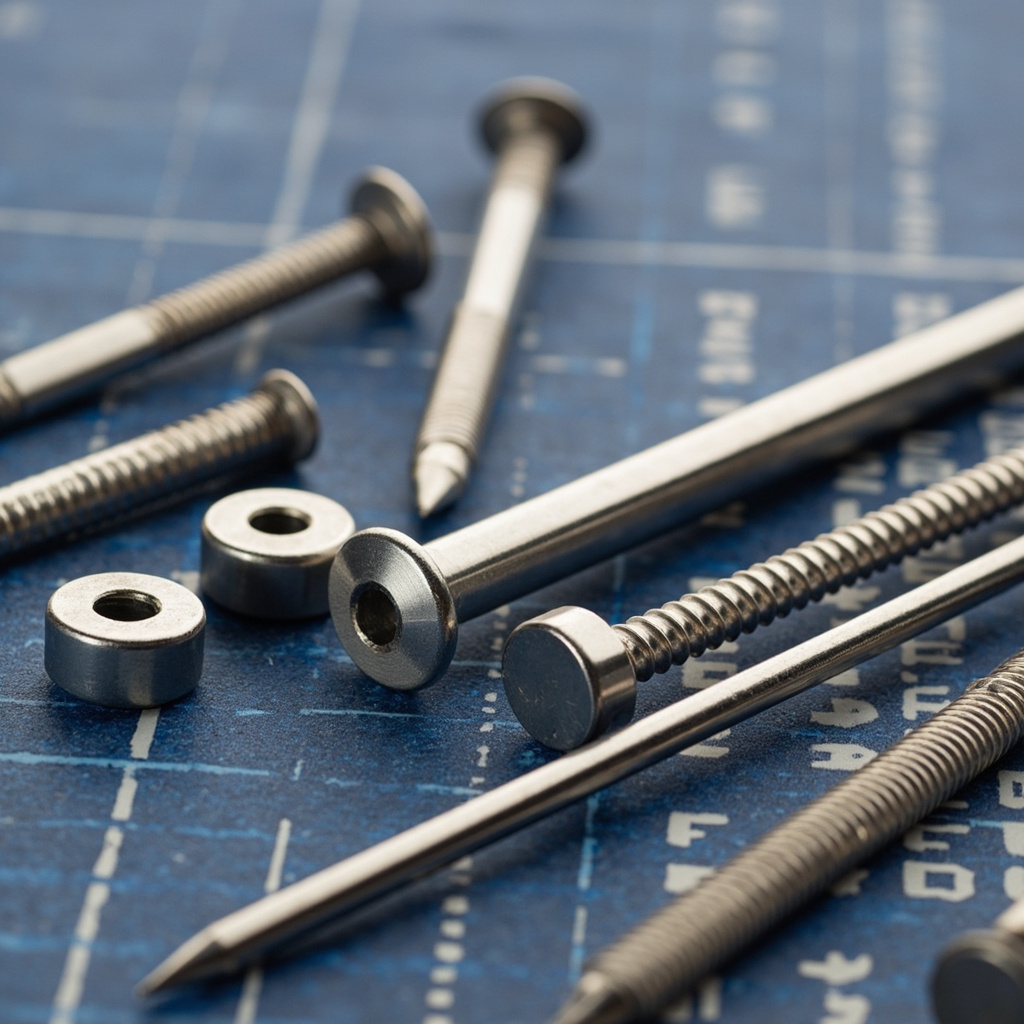
Mozambique LNG fastener standards for construction. Ensure compliance with international codes and local regulations for procurement success.
Comprensión de la Descripción General de las Normas de Sujetadores GNL de Mozambique
Las normas de fijación para el proyecto de GNL en Mozambique representan un punto de intersección crítico entre el cumplimiento de la ingeniería internacional y los requisitos normativos locales para uno de los programas de infraestructura energética más ambiciosos de África. El sector de GNL de Mozambique, apoyado por proyectos como el desarrollo del Área 1 de Mozambique LNG, exige sistemas de fijación que satisfagan tanto las especificaciones de adquisición de empresas de ingeniería internacionales como las expectativas normativas de las autoridades mozambiqueñas. Los sujetadores en este contexto abarcan pernos de alta resistencia, espárragos, tuercas, arandelas y sistemas de anclaje especializados utilizados en conexiones de acero estructural, accesorios de recipientes a presión y bridas de tuberías en todas las instalaciones de procesamiento de gas natural licuado [1]. El marco normativo que rige las normas de fijación en Mozambique opera bajo la supervisión del Ministerio de Transportes y Comunicaciones, que coordina la adopción de normas técnicas en los sectores de infraestructura, incluida la energía [4]. Sin embargo, los proyectos de GNL de Mozambique, situados principalmente en la provincia de Cabo Delgado y apoyados por la infraestructura logística a través del puerto de Beira, deben satisfacer simultáneamente los requisitos de los prestamistas internacionales, los socios del consorcio y los contratistas de ingeniería, adquisición y construcción (EPC) que especifican los criterios de rendimiento de las fijaciones [5]. Este marco de cumplimiento de doble capa significa que los gerentes de adquisiciones no pueden confiar únicamente en las normas locales; deben elaborar especificaciones de adquisición que satisfagan los requisitos de ISO, EN, ASTM y API simultáneamente [1][2][6]. La integridad estructural y la seguridad constituyen la base no negociable del cumplimiento de las normas de fijación en la construcción de GNL. El fallo de un solo sujetador en una brida de recipiente a presión o en una conexión estructural puede comprometer la seguridad operativa de toda una instalación. Las condiciones operativas extremas presentes en el procesamiento de GNL (temperaturas criogénicas, servicio de hidrocarburos a alta presión y atmósferas marinas corrosivas) exigen sistemas de fijación diseñados para garantizar la fiabilidad durante décadas de vida operativa. Las normas internacionales existen precisamente porque el rendimiento de los sujetadores en estos entornos exigentes no puede dejarse a la aproximación; cada especificación aborda propiedades mecánicas específicas, composiciones químicas, protocolos de prueba y requisitos de documentación que, en conjunto, garantizan la aptitud para el servicio [3][6]. Para el gerente de adquisiciones encargado de obtener sujetadores para la construcción de GNL de Mozambique, el requisito fundamental es comprender que ninguna norma rige todas las aplicaciones de fijación. Por el contrario, la selección de los sujetadores debe estar impulsada por la aplicación, haciendo coincidir las condiciones de servicio específicas (temperatura, presión, entorno corrosivo y perfil de carga) de cada punto de conexión con la especificación estándar adecuada. Este artículo proporciona el marco analítico para realizar esas determinaciones con precisión de ingeniería.
Normas Internacionales para Pernos de Construcción LNG
Los estándares internacionales para pernos de construcción en instalaciones LNG conforman un sistema jerárquico donde las normas ISO establecen los requisitos base de fabricación y calidad, mientras que las normas EN, ASTM y API proporcionan criterios de rendimiento específicos por aplicación que superseden o complementan esa línea base [1][3][6][2]. Las normas ISO aplicables a los pernos incluyen ISO 898 para propiedades mecánicas de elementos de fijación de acero al carbono y aleado, ISO 4759 para tolerancias dimensionales e ISO 4042 para requisitos de recubrimiento. ISO 898-1 define específicamente grados como 8.8, 10.9 y 12.9, que corresponden a resistencias mínimas a la tracción de 800 MPa, 1.000 MPa y 1.200 MPa respectivamente. Para aplicaciones LNG en Mozambique, ISO 898-1 proporciona el marco fundamental de propiedades mecánicas al que hacen referencia todas las demás especificaciones [1]. Las normas EN, particularmente EN 14399 para ensamblajes de pernos estructurales de alta resistencia y EN 1090 para ejecución de estructuras de acero, rigen los elementos de fijación obtenidos de fabricantes europeos o especificados bajo paquetes de diseño europeos. EN 14399 requiere calibración de precarga de conexiones apernadas y exige trazabilidad documental alineada con los principios de gestión de calidad ISO 9001. La distinción entre EN 14399 y la norma comparable ASTM F3125 es significativa: los ensamblajes EN 14399 requieren pruebas funcionales de todo el sistema perno-tuerca-arandela, mientras que las normas ASTM frecuentemente permiten pruebas de componentes individuales [3][6]. Las normas ASTM dominan las especificaciones de pernos de alta resistencia para aplicaciones petroleras y petroquímicas. ASTM F1554 cubre pernos de anclaje en grados 36, 55 y 105, siendo el Grado 105 —la variante con resistencia mínima a la fluencia de 105.000 psi— la opción predeterminada para conexiones estructurales en instalaciones de procesamiento LNG sometidas a cargas sísmicas y de viento. ASTM A193 rige los materiales de apernado de acero aleado para servicio a alta temperatura, siendo el grado B7 (aleación cromo-molibdeno) el estándar de la industria para apernado de recipientes a presión e intercambiadores de calor en servicio LNG. ASTM A320 proporciona la contraparte de baja temperatura, con grados L7 y L43 específicamente calificados para temperaturas de servicio tan bajas como -150°F, esenciales para sistemas de tuberías LNG criogénicas [6]. Las normas API, particularmente API 20E y API 20F, abordan los elementos de fijación específicamente para servicio petrolero y petroquímico. API 20E cubre el apernado de acero al carbono y aleado con requisitos detallados para composición química, tratamiento térmico y documentación de inspección. Estas especificaciones API son frecuentemente exigidas por las especificaciones de proyectos LNG porque incorporan pruebas adicionales —como examen por líquidos penetrantes e inspección por partículas magnéticas— que van más allá de los requisitos estándar ASTM [2]. Para los gerentes de compras, la implicación práctica es que las especificaciones de elementos de fijación deben tomarse de múltiples familias de normas superpuestas. Un proyecto LNG típico en Mozambique requerirá elementos de fijación conformes con ASTM A193 B7 para servicio a alta temperatura, ASTM A320 L7 para servicio criogénico y ensamblajes EN 14399 para conexiones estructurales, manteniendo simultáneamente la verificación de propiedades mecánicas ISO 898. La documentación de procurement debe referenciar la norma y grado específicos, no simplemente la clasificación general.
Especificaciones de Materiales para Aplicaciones de Sujetadores GNL de Mozambique
La selección de materiales para sujetadores de GNL de Mozambique debe considerar tres regímenes ambientales distintos presentes en los sitios de proyectos típicos: condiciones atmosféricas generales, áreas de proceso de alta temperatura y exposición costera/marina corrosiva. Cada régimen demanda diferentes respuestas de materiales, y el gerente de compras debe especificar en consecuencia [7][6]. Los sujetadores de acero al carbono fabricados según ASTM A307 o ISO 898-1 Grado 4.8 son adecuados para conexiones no críticas y no estructurales donde la carga mecánica es moderada y el ambiente es benigno. Sin embargo, la vasta mayoría de las conexiones de instalaciones de GNL requieren materiales de mayor rendimiento. Los sujetadores de acero al carbono que cumplen ASTM A449 - esencialmente una versión templada y revenida del Grado 8.8 - sirven aplicaciones estructurales generales pero no pueden usarse en ambientes que excedan 450°F o en servicio corrosivo sin recubrimientos protectores [7][6]. Los sujetadores de acero aleado representan la elección principal de materiales para áreas de proceso de GNL de alta temperatura. Los sujetadores ASTM A193 Grado B7 (acero al cromo-molibdeno, típicamente AISI 4140 o 4142, tratado térmicamente a una resistencia mínima a la tracción de 125,000 psi) proporcionan un excelente rendimiento en temperaturas de servicio que van desde -20°F hasta 1,000°F. Para proyectos de GNL de Mozambique, la ventaja crítica del B7 es su compatibilidad con los ambientes de gas rico en metano encontrados en tuberías de proceso. Especificaciones alternativas como ASTM A193 Grado B16 (cromo-molibdeno-vanadio, con resistencia mejorada al creep) ofrecen rendimiento superior por encima de 800°F pero a un costo significativamente mayor y con plazos de entrega más largos - los gerentes de compras deben reservar B16 para los puntos de servicio de mayor temperatura identificados en la documentación de diseño de proceso [6]. Los sujetadores de acero inoxidable abordan las condiciones costeras corrosivas prevalentes en los sitios de GNL de Mozambique. La costa del Océano Índico expone las estructuras de las instalaciones al aire cargado de sal, creando tasas de corrosión aceleradas para aceros al carbono y aleados. Los sujetadores ASTM A320 Grado 304 (acero inoxidable de cromo-níquel 18-8) proporcionan resistencia adecuada a la corrosión para la mayoría del servicio atmosférico, mientras que los sujetadores ASTM A320 Grado 316 (con molibdeno, 2-3% Mo) se especifican para áreas sujetas a exposición de cloruros o humedad intermitente. La adición de molibdeno en 316 proporciona una mejora significativa en la resistencia al pitting en ambientes salinos - los gerentes de compras deben verificar que los sujetadores ASTM A320 Grado 316 especifiquen el contenido de molibdeno, ya que algunos sujetadores 316 disponibles comercialmente pueden no lograr consistentemente el requisito de 2-3% Mo [6][7]. Los recubrimientos protectores y tratamientos superficiales extienden la vida útil de los sujetadores de acero al carbono y aleado en ambientes atmosféricos y ligeramente corrosivos. La galvanización en caliente (HDG) proporciona 80-100 micras de recubrimiento de zinc que protege el acero tanto por mecanismos de barrera como catódicos - una ventaja crítica sobre el simple chapado electrolítico de zinc, que típicamente proporciona solo 8-12 micras de recubrimiento y no ofrece protección catódica. Para conexiones estructurales en el clima costero húmedo de Mozambique, HDG es la recomendación predeterminada. Recubrimientos alternativos incluyendo chapado de zinc-níquel, Dacromet (escamas de zinc-aluminio) y Sherardizing ofrecen ventajas específicas - Dacromet proporciona excelente resistencia a la corrosión con buena resistencia al hidrógeno para sujetadores de alta resistencia - pero cada uno conlleva primas de costo del 20-60% sobre HDG. El gerente de compras debe evaluar la selección del recubrimiento contra el costo total del ciclo de vida, no solo el precio inicial [7].
Requisitos de Prueba y Certificación para Sujetadores de GNL
Los requisitos de prueba y certificación para los sujetadores de GNL en Mozambique existen para verificar que las propiedades mecánicas, composiciones químicas y tolerancias dimensionales especificadas en los documentos de adquisición estén realmente presentes en los productos entregados. Estos requisitos son particularmente estrictos debido a que los fallos de los sujetadores en el servicio de GNL pueden tener consecuencias catastróficas, y porque la cadena de suministro para sujetadores de construcción incluye numerosas oportunidades para la sustitución de materiales o la degradación de las propiedades [1][2][6]. Las pruebas mecánicas constituyen la primera línea de verificación. Las pruebas de tracción según la norma ASTM F606 determinan la resistencia máxima a la tracción, la resistencia a la fluencia y el alargamiento de los sujetadores terminados. Para los pernos, las pruebas de tamaño completo (probar el perno completo en lugar de una muestra mecanizada) suelen ser aceptables según la Sección 3 de la norma ASTM F606, aunque puede requerirse una prueba de sección reducida para sujetadores de gran diámetro. Las pruebas de carga de prueba (una alternativa económica a las pruebas de tracción completas para fines de aceptación) aplican una carga axial predeterminada para verificar que el sujetador no se deforme permanentemente. Para los sujetadores de alta resistencia (Grado 8.8 y superior), las pruebas de dureza (Rockwell o Brinell) proporcionan un indicador de calidad rápido, aunque las pruebas de tracción siguen siendo el criterio de aceptación definitivo [6]. Las pruebas de impacto abordan las condiciones de servicio a baja temperatura encontradas en los sistemas criogénicos de tuberías y almacenamiento de GNL. La norma ASTM A320 requiere pruebas de impacto Charpy V-notch a la temperatura de servicio especificada para los sujetadores utilizados en aplicaciones de baja temperatura. Para los proyectos de GNL en Mozambique que operan a -161°C (el punto de ebullición del metano), las pruebas de impacto deben realizarse a -180°C o menos para proporcionar un margen adecuado. El gerente de adquisiciones debe especificar tanto la energía absorbida promedio mínima (generalmente 20-27 julios para A320 L7/L43) como el porcentaje máximo de área de cizallamiento requerido para la aceptación [6]. Los métodos de examen no destructivo (END) detectan defectos superficiales y cercanos a la superficie que las pruebas mecánicas no pueden revelar. El examen por líquidos penetrantes (PT) es el método estándar para detectar grietas superficiales en sujetadores terminados. El examen por partículas magnéticas (MT) sirve para el mismo propósito en materiales ferromagnéticos y puede detectar algunas discontinuidades subsuperficiales. El examen radiográfico (RT) rara vez se aplica a los sujetadores estándar, pero puede especificarse para pernos críticos en aplicaciones de límites de presión. Para los pernos ASTM A193 y A320, la norma ASTM A388 proporciona el estándar para el examen ultrasónico de piezas forjadas de acero de pared gruesa, relevante para espárragos de gran diámetro y pernos de brida [6]. La certificación de terceros y los requisitos de documentación formalizan el proceso de verificación. Los informes de prueba de materiales (MTR), también llamados certificados de conformidad (COC), deben rastrear cada lote de sujetadores hasta el número de colada del material original, documentando la composición química (análisis de fusión), los parámetros de tratamiento térmico y los resultados de las pruebas mecánicas. Para los proyectos de GNL en Mozambique, los paquetes de documentación suelen requerir: certificados de materia prima del productor de acero, certificados de fabricación del fabricante de sujetadores y certificados de inspección de terceros de agencias como SGS, Bureau Veritas o DNV. El gerente de adquisiciones debe especificar los requisitos del plan de inspección y prueba (ITP) por adelantado, ya que obtener retroactivamente certificaciones para sujetadores que ya han sido entregados en el sitio es frecuentemente imposible o prohibitivamente costoso [1][2][3].
Estrategias de Adquisición para Sujetadores de Construcción de GNL de Mozambique
La adquisición de sujetadores para la construcción de GNL en Mozambique presenta desafíos logísticos y comerciales distintivos que requieren una planificación estratégica proactiva. El gerente de adquisiciones debe navegar simultáneamente por las cadenas de suministro internacionales, la logística portuaria, los plazos de certificación y las limitaciones presupuestarias [4][5]. La identificación de proveedores de sujetadores calificados comienza con la verificación de la capacidad de fabricación y la certificación del sistema de calidad. La certificación ISO 9001 representa el requisito mínimo del sistema de calidad, aunque muchos proyectos de GNL exigen la acreditación ISO 17025 para el laboratorio de pruebas del fabricante de sujetadores. Para sujetadores especializados (pernos ASTM A193 B7, ASTM A320 L7 y API 20E), los gerentes de adquisiciones deben verificar que el fabricante tenga experiencia previa produciendo el grado específico y que la instalación de tratamiento térmico esté equipada para los ciclos de temple y revenido requeridos. Los fabricantes chinos, como los representados por TradeGo Fasteners, han demostrado capacidad para producir sujetadores que cumplen con las normas ASTM e ISO con paquetes de documentación completos, siempre que las especificaciones de adquisición definan claramente todos los requisitos, incluida la inspección de terceros en el punto de fabricación [1][4]. La logística de la cadena de suministro para la construcción de GNL en Mozambique se canaliza a través de dos rutas principales: envío directo al puerto de Beira en la costa central o envío a Maputo con transporte terrestre. El puerto de Beira maneja la mayoría de la carga de infraestructura pesada para los proyectos energéticos del norte de Mozambique y ofrece capacidades de manejo de contenedores y carga suelta [5]. Los gerentes de adquisiciones deben planificar plazos de entrega de 12 a 18 semanas para pedidos de sujetadores especializados de fabricantes asiáticos, incluidos 4-6 semanas para la fabricación, 2-3 semanas para la inspección y certificación de terceros, y 4-6 semanas para el transporte marítimo a Beira. El transporte aéreo urgente puede reducir la entrega a 6-8 semanas, pero generalmente añade un 200-300% al costo del producto: los gerentes de adquisiciones deben reservar el transporte aéreo solo para sujetadores de reemplazo de emergencia. Los factores de costo para la adquisición de sujetadores de GNL en Mozambique se extienden mucho más allá del precio unitario del producto. El costo entregado incluye el costo del producto, flete internacional, seguro, cargos por manejo portuario, derechos de aduana (Mozambique aplica derechos de importación a los productos de acero manufacturados), transporte interno al sitio y costos de verificación de calidad. Para pedidos de grandes proyectos, los gerentes de adquisiciones deben negociar órdenes de compra globales con envíos programados para promediar los costos de flete y reducir el riesgo de falta de existencias. El modelo de planificación presupuestaria debe asignar un 15-25% del costo de los sujetadores para gastos accesorios más allá del precio del producto en sí. El aseguramiento de la calidad durante la adquisición y entrega requiere una asignación clara de las responsabilidades de inspección. La selección de Incoterms (generalmente CIF Beira o entrega en sitio DDP) determina cuándo se transfiere el riesgo del proveedor al comprador y quién organiza la inspección en cada etapa. La inspección de terceros en las instalaciones del fabricante, antes del envío, representa el enfoque de aseguramiento de la calidad más rentable porque los defectos identificados antes de la carga evitan el costo prohibitivo de devolver material no conforme desde África. Los puntos de inspección comunes incluyen la verificación dimensional, el muestreo mecánico según la norma aplicable, la medición del espesor del recubrimiento para sujetadores terminados y la revisión de la documentación.
Verificación de Cumplimiento y Protocolos de Inspección
La verificación del cumplimiento de los sujetadores de GNL en Mozambique opera en tres fases: inspección de entrada al llegar al sitio, revisión de documentación y verificación de trazabilidad, y monitoreo operativo continuo. Cada fase aborda objetivos de cumplimiento distintos y emplea diferentes métodos de verificación [2][4][6]. La inspección en el sitio de los sujetadores recibidos comienza con un examen visual para detectar daños durante el envío, etiquetado incorrecto y defectos superficiales obvios. La verificación dimensional mediante calibres calibrados confirma la forma de la rosca (ISO métrica frente a UNC/UNF), el diámetro primitivo, la longitud total y las dimensiones de la cabeza según las especificaciones de la orden de compra. El muestreo aleatorio para pruebas mecánicas (para sujetadores que llegan con MTR del fabricante) proporciona una verificación independiente. La tasa de muestreo generalmente sigue el nivel de inspección normal II de la norma ANSI/ASQ Z1.4 (anteriormente MIL-STD-105E), con una inspección rigurosa (doble tamaño de muestra) para pernos estructurales críticos. El gerente de adquisiciones debe designar una autoridad de inspección calificada (ya sea un ingeniero de QA/QC dedicado en el sitio o un servicio de inspección contratado) para las decisiones de aceptación de sujetadores [6]. La revisión de la documentación y la verificación de la trazabilidad confirman que la cadena de suministro de sujetadores está completamente documentada desde la materia prima hasta la entrega. Cada lote de sujetadores debe ir acompañado de: un informe de prueba de material que enlace con el número de colada del acero, un certificado de fabricación que confirme el cumplimiento de la norma especificada, certificados de inspección de terceros si lo requiere la especificación de adquisición y un certificado de conformidad firmado por el gerente de calidad del fabricante. Los registros de trazabilidad deben demostrar que los sujetadores instalados en cualquier punto de conexión pueden rastrearse hasta su origen. Para los proyectos de GNL en Mozambique, este requisito no es solo administrativo: proporciona la base probatoria para la verificación del cumplimiento normativo durante las auditorías de construcción y las inspecciones de seguridad operativa [1][2][3]. Los problemas comunes de no conformidad identificados durante la inspección incluyen: grado de material incorrecto (sustitución de material de menor grado), tratamiento térmico inadecuado (sujetadores blandos o endurecidos de manera desigual), discrepancias en las roscas (paso o forma incorrectos), defectos de recubrimiento (pelado, espesor insuficiente, floración de óxido) y brechas en la documentación (falta de números de colada, certificados sin firmar). Las acciones correctivas van desde la re-prueba y aceptación condicional para deficiencias menores hasta el rechazo y reemplazo por discrepancias en el grado del material. El gerente de adquisiciones debe establecer un proceso de informe de no conformidad (NCR) que clasifique los defectos por gravedad y defina la autoridad de disposición; las no conformidades críticas (como el material incorrecto) deben requerir la aprobación de ingeniería para cualquier disposición que no sea el rechazo. El monitoreo continuo y las consideraciones de mantenimiento abordan el rendimiento de los sujetadores durante la fase operativa de la instalación de GNL. Si bien la inspección en la fase de construcción verifica el cumplimiento de las especificaciones de adquisición, el monitoreo operativo verifica que los sujetadores continúen funcionando según lo previsto durante toda la vida útil de la instalación. El monitoreo de la tensión de los pernos mediante medición ultrasónica o arandelas indicadoras de carga verifica que las juntas atornilladas críticas mantengan una precarga adecuada. Para las conexiones de brida en servicio de hidrocarburos, los programas regulares de reapriete evitan la relajación de la tensión de la junta. La responsabilidad del gerente de adquisiciones se extiende a garantizar que los registros de construcción documenten las especificaciones de los sujetadores y los valores de par de instalación para cada conexión crítica, lo que permite un mantenimiento efectivo durante toda la vida operativa de la instalación.
¿Necesita una cotización para Normas de Sujetadores GNL de Mozambique? Contacte a TradeGo para precios de fábrica y logística SADC.
Request Quote