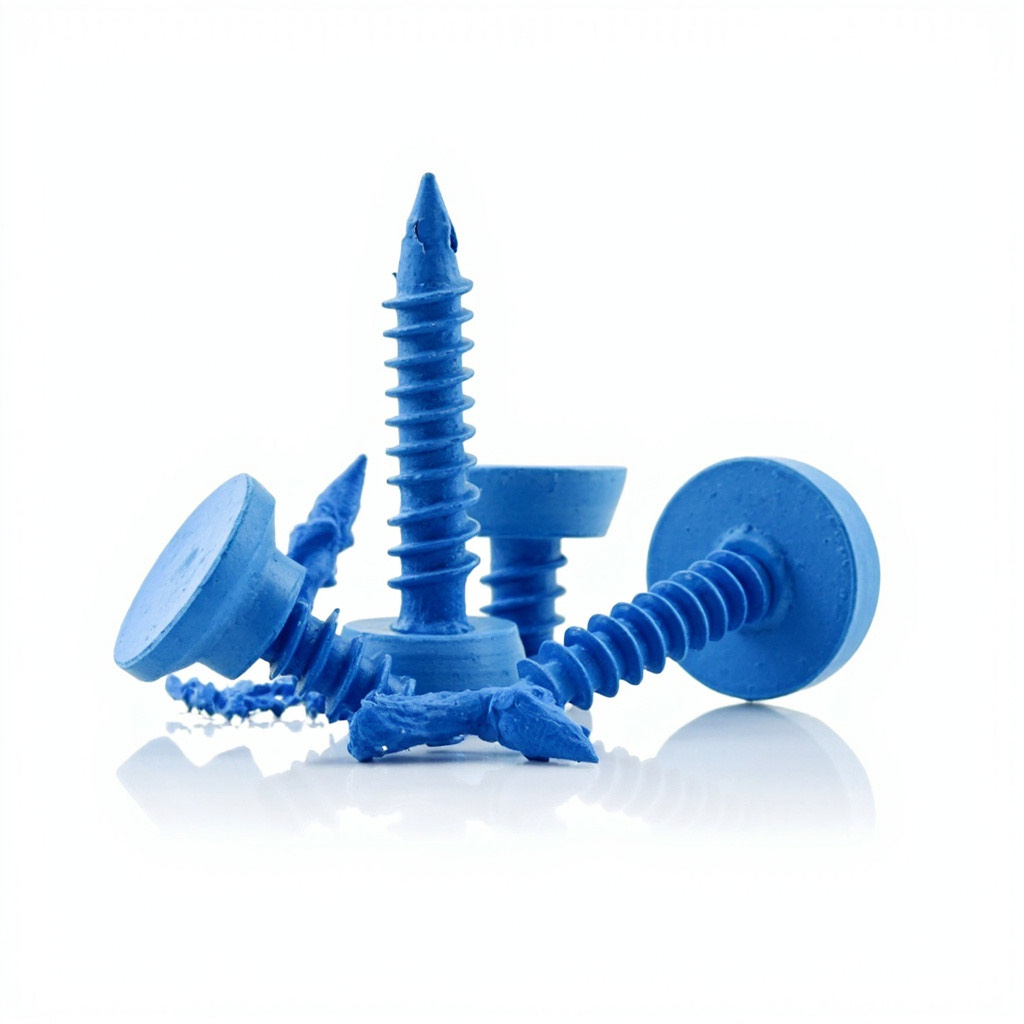
Guide complet des ancrages pour béton. Apprenez les ancrages à coin, à manchon, à chute et comment sélectionner le bon ancrage.
Types d'ancrages pour béton
Différents types d'ancrages pour différentes applications : 1. Ancrages à expansion (Wedge Anchors) : - Expansion complète contre le béton - Capacité de charge la plus élevée - Non amovibles - Utilisation : Connexions structurelles 2. Ancrages à douille (Sleeve Anchors) : - Expansion en plusieurs pièces - Adaptés à la maçonnerie creuse - Capacité de charge modérée - Utilisation : Usage général 3. Ancrages à frapper (Drop-in Anchors) : - Filetage interne - Installation affleurante - Nécessite un outil de pose - Utilisation : Fixations répétitives 4. Ancrages à clouer (Strike Anchors) : - Installation de type clou - Installation rapide - Charges légères uniquement - Utilisation : Installations temporaires. Ressources connexes : boulons à haute résistance boulons d'ancrage fixations en acier inoxydable boulons hexagonaux écrous de blocage rondelles vis autoperceuses vis à six pans creux . Ce cadre d'approvisionnement s'applique à l'achat de fixations pour la construction, les mines, l'énergie, l'automobile et les applications industrielles générales. La logique de décision privilégie la constance de la qualité, la fiabilité des fournisseurs et le coût total de possession plutôt que le prix unitaire à court terme. Pour les acheteurs B2B en Afrique, en Amérique latine et en Asie du Sud-Est, des considérations supplémentaires incluent les exigences douanières régionales, les options de consolidation de conteneurs et les mécanismes de sécurité de paiement. Des spécifications standardisées qui se déplacent d'un projet à l'autre réduisent le temps de formation, le temps de traitement des appels d'offres et l'effort d'intégration des fournisseurs. Ce cadre d'approvisionnement s'applique à l'achat de fixations pour la construction, les mines, l'énergie, l'automobile et les applications industrielles générales. La logique de décision privilégie la constance de la qualité, la fiabilité des fournisseurs et le coût total de possession plutôt que le prix unitaire à court terme. Pour les acheteurs B2B en Afrique, en Amérique latine et en Asie du Sud-Est, des considérations supplémentaires incluent les exigences douanières régionales, les options de consolidation de conteneurs et les mécanismes de sécurité de paiement. Des spécifications standardisées qui se déplacent d'un projet à l'autre réduisent le temps de formation, le temps de traitement des appels d'offres et l'effort d'intégration des fournisseurs. Ce cadre d'approvisionnement s'applique à l'achat de fixations pour la construction, les mines, l'énergie, l'automobile et les applications industrielles générales. La logique de décision privilégie la constance de la qualité, la fiabilité des fournisseurs et le coût total de possession plutôt que le prix unitaire à court terme. Pour les acheteurs B2B en Afrique, en Amérique latine et en Asie du Sud-Est, des considérations supplémentaires incluent les exigences douanières régionales, les options de consolidation de conteneurs et les mécanismes de sécurité de paiement. Des spécifications standardisées qui se déplacent d'un projet à l'autre réduisent le temps de formation, le temps de traitement des appels d'offres et l'effort d'intégration des fournisseurs. Ce cadre d'approvisionnement s'applique à l'achat de fixations pour la construction, les mines, l'énergie, l'automobile et les applications industrielles générales. La logique de décision privilégie la constance de la qualité, la fiabilité des fournisseurs et le coût total de possession plutôt que le prix unitaire à court terme. Pour les acheteurs B2B en Afrique, en Amérique latine et en Asie du Sud-Est, des considérations supplémentaires incluent les exigences douanières régionales, les options de consolidation de conteneurs et les mécanismes de sécurité de paiement. Des spécifications standardisées qui se déplacent d'un projet à l'autre réduisent le temps de formation, le temps de traitement des appels d'offres et l'effort d'intégration des fournisseurs. Ce cadre d'approvisionnement s'applique à l'achat de fixations pour la construction, les mines, l'énergie, l'automobile et les applications industrielles générales. La logique de décision privilégie la constance de la qualité, la fiabilité des fournisseurs et le coût total de possession plutôt que le prix unitaire à court terme. Pour les acheteurs B2B en Afrique, en Amérique latine et en Asie du Sud-Est, des considérations supplémentaires incluent les exigences douanières régionales, les options de consolidation de conteneurs et les mécanismes de sécurité de paiement. Des spécifications standardisées qui se déplacent d'un projet à l'autre réduisent le temps de formation, le temps de traitement des appels d'offres et l'effort d'intégration des fournisseurs.
Critères de sélection d'un ancrage
Facteurs clés pour la sélection d'un ancrage : 1. Exigences de charge : - Déterminez la charge de calcul (traction et cisaillement) - Consultez les tableaux de charges d'ancrage - Appliquez les coefficients de sécurité 2. Matériau de base : - Béton plein : Tous types d'ancrages fonctionnent - Maçonnerie creuse : Ancrages à douille - Béton fissuré : Utilisez des ancrages homologués ICC 3. Type d'installation : - Objet fixe : Ancrage à expansion ou à douille - Temporaire : Ancrage à clouer - Répétitif : Ancrage à frapper 4. Environnement : - Intérieur sec : Acier au carbone - Extérieur : Galvanisé à chaud - Corrosif : Acier inoxydable. L'approvisionnement basé sur les normes exige un apprentissage continu car les normes ISO, ASTM, DIN et GB sont révisées tous les 3 à 5 ans. Abonnez-vous aux notifications de mise à jour des normes et examinez les spécifications chaque année. Les normes les plus couramment utilisées dans le commerce international des fixations sont ISO 898-1 (propriétés mécaniques), ISO 3506-1 (inox), ISO 3269 (inspection d'acceptation), ISO 4042 (revêtements) et ISO 1502 (calibres de filetage). Pour les acheteurs B2B, la constitution d'une bibliothèque de référence de normes contenant au moins les 20 normes les plus pertinentes pour votre gamme de produits est essentielle. L'approvisionnement basé sur les normes exige un apprentissage continu car les normes ISO, ASTM, DIN et GB sont révisées tous les 3 à 5 ans. Abonnez-vous aux notifications de mise à jour des normes et examinez les spécifications chaque année. Les normes les plus couramment utilisées dans le commerce international des fixations sont ISO 898-1 (propriétés mécaniques), ISO 3506-1 (inox), ISO 3269 (inspection d'acceptation), ISO 4042 (revêtements) et ISO 1502 (calibres de filetage). Pour les acheteurs B2B, la constitution d'une bibliothèque de référence de normes contenant au moins les 20 normes les plus pertinentes pour votre gamme de produits est essentielle. L'approvisionnement basé sur les normes exige un apprentissage continu car les normes ISO, ASTM, DIN et GB sont révisées tous les 3 à 5 ans. Abonnez-vous aux notifications de mise à jour des normes et examinez les spécifications chaque année. Les normes les plus couramment utilisées dans le commerce international des fixations sont ISO 898-1 (propriétés mécaniques), ISO 3506-1 (inox), ISO 3269 (inspection d'acceptation), ISO 4042 (revêtements) et ISO 1502 (calibres de filetage). Pour les acheteurs B2B, la constitution d'une bibliothèque de référence de normes contenant au moins les 20 normes les plus pertinentes pour votre gamme de produits est essentielle. L'approvisionnement basé sur les normes exige un apprentissage continu car les normes ISO, ASTM, DIN et GB sont révisées tous les 3 à 5 ans. Abonnez-vous aux notifications de mise à jour des normes et examinez les spécifications chaque année. Les normes les plus couramment utilisées dans le commerce international des fixations sont ISO 898-1 (propriétés mécaniques), ISO 3506-1 (inox), ISO 3269 (inspection d'acceptation), ISO 4042 (revêtements) et ISO 1502 (calibres de filetage). Pour les acheteurs B2B, la constitution d'une bibliothèque de référence de normes contenant au moins les 20 normes les plus pertinentes pour votre gamme de produits est essentielle. L'approvisionnement basé sur les normes exige un apprentissage continu car les normes ISO, ASTM, DIN et GB sont révisées tous les 3 à 5 ans. Abonnez-vous aux notifications de mise à jour des normes et examinez les spécifications chaque année. Les normes les plus couramment utilisées dans le commerce international des fixations sont ISO 898-1 (propriétés mécaniques), ISO 3506-1 (inox), ISO 3269 (inspection d'acceptation), ISO 4042 (revêtements) et ISO 1502 (calibres de filetage). Pour les acheteurs B2B, la constitution d'une bibliothèque de référence de normes contenant au moins les 20 normes les plus pertinentes pour votre gamme de produits est essentielle.
Bonnes pratiques d'installation
Une installation correcte garantit la performance de l'ancrage : 1. Préparation du trou : - Percez au diamètre correct - Profondeur du trou = profondeur d'ancrage + 1/4" - Nettoyez soigneusement le trou (soufflez et brossez) 2. Installation : - Ancrage à expansion : Frappez, serrez l'écrou - Ancrage à douille : Insérez et serrez - Ancrage à frapper : Posez avec l'outil de pose 3. Espacement minimum : - 10 x le diamètre par rapport aux bords - 12 x le diamètre entre les ancrages - Par rapport aux fissures : 6 x le diamètre minimum 4. Distance au bord : - Maintenez la distance minimale au bord - Réduit le risque de fendage - Garantit la pleine capacité de charge. La méthodologie de comparaison ci-dessus utilise les plages typiques issues des données du secteur et de l'expérience d'approvisionnement TradeGo 2018-2024. Les prix réels du marché fluctuent avec les coûts des matières premières (acier, zinc, nickel), les coûts énergétiques, les coûts de main-d'œuvre et les taux de change. Pour une comparaison précise, demandez des appels d'offres identiques à 3-5 fournisseurs qualifiés et comparez le coût rendu (produit + transport + assurance + droits). Le prix unitaire le plus bas est rarement le coût total de possession le plus bas. La méthodologie de comparaison ci-dessus utilise les plages typiques issues des données du secteur et de l'expérience d'approvisionnement TradeGo 2018-2024. Les prix réels du marché fluctuent avec les coûts des matières premières (acier, zinc, nickel), les coûts énergétiques, les coûts de main-d'œuvre et les taux de change. Pour une comparaison précise, demandez des appels d'offres identiques à 3-5 fournisseurs qualifiés et comparez le coût rendu (produit + transport + assurance + droits). Le prix unitaire le plus bas est rarement le coût total de possession le plus bas. La méthodologie de comparaison ci-dessus utilise les plages typiques issues des données du secteur et de l'expérience d'approvisionnement TradeGo 2018-2024. Les prix réels du marché fluctuent avec les coûts des matières premières (acier, zinc, nickel), les coûts énergétiques, les coûts de main-d'œuvre et les taux de change. Pour une comparaison précise, demandez des appels d'offres identiques à 3-5 fournisseurs qualifiés et comparez le coût rendu (produit + transport + assurance + droits). Le prix unitaire le plus bas est rarement le coût total de possession le plus bas. La méthodologie de comparaison ci-dessus utilise les plages typiques issues des données du secteur et de l'expérience d'approvisionnement TradeGo 2018-2024. Les prix réels du marché fluctuent avec les coûts des matières premières (acier, zinc, nickel), les coûts énergétiques, les coûts de main-d'œuvre et les taux de change. Pour une comparaison précise, demandez des appels d'offres identiques à 3-5 fournisseurs qualifiés et comparez le coût rendu (produit + transport + assurance + droits). Le prix unitaire le plus bas est rarement le coût total de possession le plus bas. La méthodologie de comparaison ci-dessus utilise les plages typiques issues des données du secteur et de l'expérience d'approvisionnement TradeGo 2018-2024. Les prix réels du marché fluctuent avec les coûts des matières premières (acier, zinc, nickel), les coûts énergétiques, les coûts de main-d'œuvre et les taux de change. Pour une comparaison précise, demandez des appels d'offres identiques à 3-5 fournisseurs qualifiés et comparez le coût rendu (produit + transport + assurance + droits). Le prix unitaire le plus bas est rarement le coût total de possession le plus bas.
Questions fréquemment posées
Consultez les questions fréquemment posées ci-dessous.
. Ressources connexes : boulons à haute résistance boulons d'ancrage fixations en acier inoxydable boulons hexagonaux écrous de blocage rondelles vis autoperceuses vis à six pans creux . La liste de vérification s'applique à la qualification initiale des fournisseurs et à l'inspection continue des lots. Pour les applications à haut risque (structure porteuse, récipients sous pression, mines, marine), ajoutez des essais de fatigue, des essais au brouillard salin (ASTM B117), des essais de couple-tension et une inspection après installation. Le coût de la vérification supplémentaire est de 0,1 à 0,3 % de la valeur de la commande, tandis que les défauts de qualité non détectés peuvent représenter 10 à 100 fois la valeur de la commande en dommages. La liste de vérification s'applique à la qualification initiale des fournisseurs et à l'inspection continue des lots. Pour les applications à haut risque (structure porteuse, récipients sous pression, mines, marine), ajoutez des essais de fatigue, des essais au brouillard salin (ASTM B117), des essais de couple-tension et une inspection après installation. Le coût de la vérification supplémentaire est de 0,1 à 0,3 % de la valeur de la commande, tandis que les défauts de qualité non détectés peuvent représenter 10 à 100 fois la valeur de la commande en dommages. La liste de vérification s'applique à la qualification initiale des fournisseurs et à l'inspection continue des lots. Pour les applications à haut risque (structure porteuse, récipients sous pression, mines, marine), ajoutez des essais de fatigue, des essais au brouillard salin (ASTM B117), des essais de couple-tension et une inspection après installation. Le coût de la vérification supplémentaire est de 0,1 à 0,3 % de la valeur de la commande, tandis que les défauts de qualité non détectés peuvent représenter 10 à 100 fois la valeur de la commande en dommages. La liste de vérification s'applique à la qualification initiale des fournisseurs et à l'inspection continue des lots. Pour les applications à haut risque (structure porteuse, récipients sous pression, mines, marine), ajoutez des essais de fatigue, des essais au brouillard salin (ASTM B117), des essais de couple-tension et une inspection après installation. Le coût de la vérification supplémentaire est de 0,1 à 0,3 % de la valeur de la commande, tandis que les défauts de qualité non détectés peuvent représenter 10 à 100 fois la valeur de la commande en dommages. La liste de vérification s'applique à la qualification initiale des fournisseurs et à l'inspection continue des lots. Pour les applications à haut risque (structure porteuse, récipients sous pression, mines, marine), ajoutez des essais de fatigue, des essais au brouillard salin (ASTM B117), des essais de couple-tension et une inspection après installation. Le coût de la vérification supplémentaire est de 0,1 à 0,3 % de la valeur de la commande, tandis que les défauts de qualité non détectés peuvent représenter 10 à 100 fois la valeur de la commande en dommages.Which anchor type is best for solid concrete?
Wedge anchors provide the highest load capacity for solid concrete and are ideal for structural connections. Sleeve anchors offer good general-purpose performance. Both require solid, uncracked concrete for optimal performance.
What's the difference between wedge anchors and sleeve anchors?
Wedge anchors feature a full-length expansion mechanism against the concrete borehole wall, delivering maximum load capacity. Sleeve anchors expand at multiple points along the sleeve, making them suitable for solid concrete, hollow masonry, and grout-filled block.
What is the minimum spacing between concrete anchors?
Maintain 10x the anchor diameter from edges (e.g., 120mm for M12 anchors) and 12x the diameter between anchors. From cracks, maintain minimum 6x diameter spacing. Proper spacing ensures full load capacity without interference.
Can concrete anchors be removed and reused?
Wedge anchors are permanent and cannot be removed. Sleeve anchors can be removed by unscrewing. Strike anchors offer temporary installation. Choose anchor type based on whether permanent or temporary installation is needed.
What coating should I use for outdoor concrete anchors?
For exterior applications, use hot-dip galvanized (HDG) or stainless steel 304/316 anchors to prevent corrosion. Zinc-plated anchors are suitable for dry interior applications only.
Demander un devis d'ancrage
Request Quote