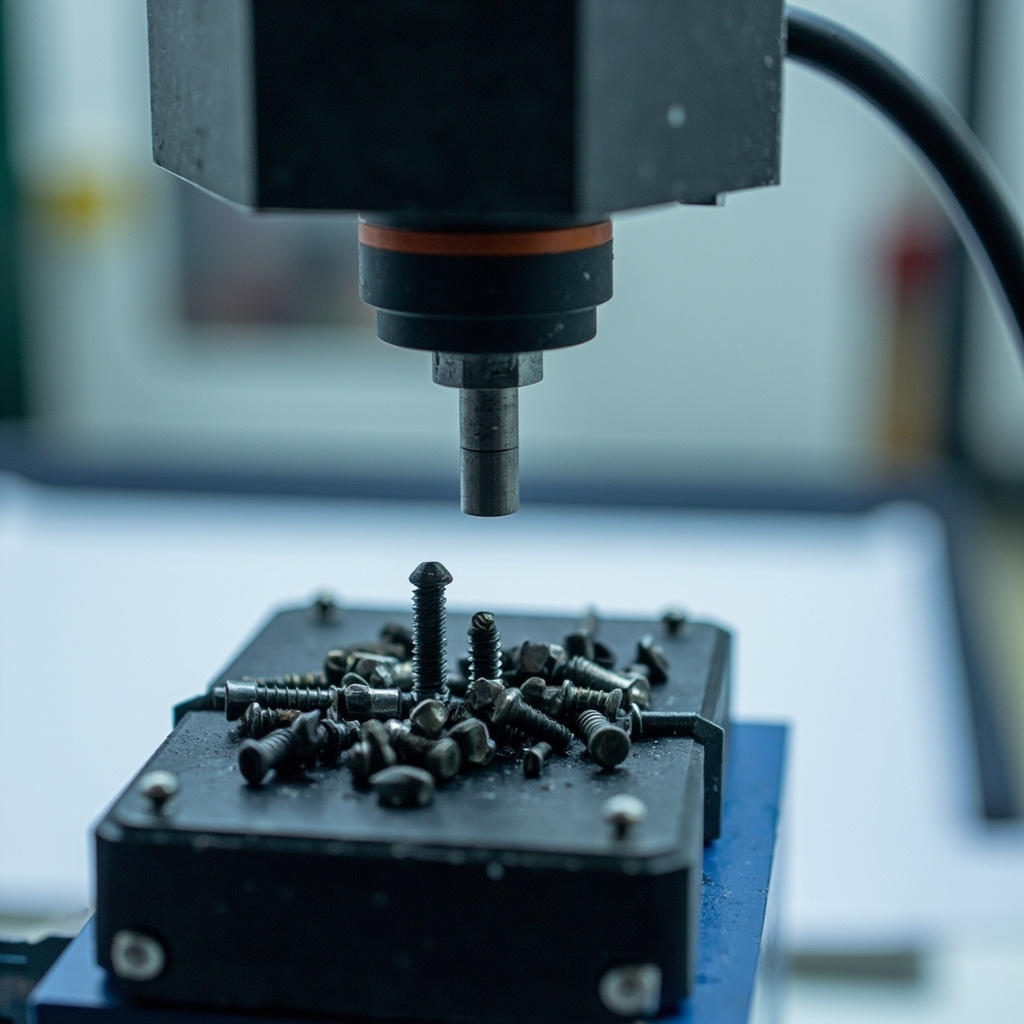
फास्टनर परीक्षण विधियों और गुणवत्ता प्रमाणपत्रों को समझना
फास्टनर के लिए गुणवत्ता प्रमाणन मानक
फास्टनर गुणवत्ता आश्वासन के लिए, कई प्रमाणन मानक प्रासंगिक हैं: ISO 9001 — सबसे व्यापक रूप से मान्यता प्राप्त गुणवत्ता प्रबंधन प्रणाली प्रमाणन; यह दर्शाता है कि निर्माता के पास एक प्रलेखित गुणवत्ता प्रबंधन प्रणाली है; यह उत्पाद की गुणवत्ता की गारंटी नहीं देता है, केवल यह कि प्रणाली मौजूद है। IATF 16949 — ऑटोमोटिव-विशिष्ट गुणवत्ता प्रबंधन; बहुत कठोर लेकिन सामान्य निर्माण फास्टनर के लिए आवश्यक नहीं। EN 14399 — यूरोप में संरचनात्मक बोल्टिंग सिस्टम प्रमाणन; सिस्टम के तृतीय-पक्ष परीक्षण और प्रमाणन की आवश्यकता होती है। ASTM F1479 — फास्टनर गुणवत्ता विशिष्टीकरण प्रणाली। अफ्रीकी निर्माण के लिए, हमेशा सत्यापित करें: कि आपूर्तिकर्ता के पास गुणवत्ता प्रबंधन प्रणाली है; कि वे प्रत्येक बैच के लिए सामग्री परीक्षण रिपोर्ट (MTR) प्रदान कर सकते हैं; कि तृतीय-पक्ष परीक्षण रिपोर्ट अनुरोध पर उपलब्ध हैं। केवल ISO 9001 पर्याप्त नहीं है — हमेशा वास्तविक परीक्षण डेटा मांगें। संबंधित संसाधन: हाई-टेंसाइल बोल्ट एंकर बोल्ट स्टेनलेस स्टील फास्टनर हेक्स बोल्ट लॉक नट्स वाशर सेल्फ-ड्रिलिंग स्क्रू सॉकेट स्क्रू। यह प्रोक्योरमेंट फ्रेमवर्क निर्माण, खनन, ऊर्जा, ऑटोमोटिव और सामान्य औद्योगिक अनुप्रयोगों के लिए फास्टनर सोर्सिंग पर लागू होता है। निर्णय तर्क अल्पकालिक यूनिट मूल्य पर गुणवत्ता स्थिरता, आपूर्तिकर्ता विश्वसनीयता और स्वामित्व की कुल लागत को प्राथमिकता देता है। अफ्रीका, लैटिन अमेरिका और दक्षिण-पूर्व एशिया में B2B खरीदारों के लिए, अतिरिक्त विचारों में क्षेत्रीय सीमा शुल्क आवश्यकताएं, कंटेनर समेकन विकल्प और भुगतान सुरक्षा तंत्र शामिल हैं। प्रोजेक्ट्स में यात्रा करने वाले मानकीकृत विनिर्देश प्रशिक्षण समय, RFQ प्रसंस्करण समय और आपूर्तिकर्ता ऑनबोर्डिंग प्रयास को कम करते हैं। यह प्रोक्योरमेंट फ्रेमवर्क निर्माण, खनन, ऊर्जा, ऑटोमोटिव और सामान्य औद्योगिक अनुप्रयोगों के लिए फास्टनर सोर्सिंग पर लागू होता है। निर्णय तर्क अल्पकालिक यूनिट मूल्य पर गुणवत्ता स्थिरता, आपूर्तिकर्ता विश्वसनीयता और स्वामित्व की कुल लागत को प्राथमिकता देता है। अफ्रीका, लैटिन अमेरिका और दक्षिण-पूर्व एशिया में B2B खरीदारों के लिए, अतिरिक्त विचारों में क्षेत्रीय सीमा शुल्क आवश्यकताएं, कंटेनर समेकन विकल्प और भुगतान सुरक्षा तंत्र शामिल हैं। प्रोजेक्ट्स में यात्रा करने वाले मानकीकृत विनिर्देश प्रशिक्षण समय, RFQ प्रसंस्करण समय और आपूर्तिकर्ता ऑनबोर्डिंग प्रयास को कम करते हैं।
सामग्री परीक्षण रिपोर्ट (MTR) को समझना
एक सामग्री परीक्षण रिपोर्ट (MTR) एक प्रमाणित दस्तावेज है जो फास्टनर के एक विशिष्ट बैच के लिए वास्तविक परीक्षण परिणाम प्रदान करता है। एक MTR में शामिल होना चाहिए: हीट/बैच नंबर — फास्टनर को उस स्टील की विशिष्ट हीट से जोड़ता है जिससे इसे बनाया गया था; निर्माण तिथि — ट्रैक करता है कि बैच कब उत्पादित किया गया था; रासायनिक संरचना — कार्बन, मैंगनीज, क्रोमियम, निकल, मोलिब्डेनम आदि का वास्तविक प्रतिशत; यांत्रिक गुण — तन्य शक्ति, उपज शक्ति, बढ़ाव, क्षेत्र में कमी; कठोरता — रॉकवेल या ब्रिनेल में मापी गई; सतह उपचार/कोटिंग — लागू किसी भी कोटिंग का प्रकार और मोटाई। हमेशा सत्यापित करें कि MTR मान निर्दिष्ट ग्रेड आवश्यकताओं को पूरा करते हैं या उनसे अधिक हैं। उदाहरण के लिए, एक ग्रेड 10.9 बोल्ट के लिए तन्य शक्ति ≥1000 MPa और उपज शक्ति ≥900 MPa आवश्यक है — MTR को वास्तविक मापे गए मान दिखाने चाहिए, केवल 'विनिर्देश को पूरा करता है' नहीं। ISO 9001-प्रमाणित निर्माताओं से MTR आमतौर पर वास्तविक मान दिखाते हैं, केवल 'अनुपालन करता है' नहीं। मानक-आधारित प्रोक्योरमेंट के लिए निरंतर सीखने की आवश्यकता होती है क्योंकि ISO, ASTM, DIN और GB मानक हर 3-5 वर्षों में संशोधित किए जाते हैं। मानक अद्यतन सूचनाओं की सदस्यता लें और विनिर्देशों की वार्षिक समीक्षा करें। अंतर्राष्ट्रीय फास्टनर व्यापार में उपयोग किए जाने वाले सबसे सामान्य मानक ISO 898-1 (यांत्रिक गुण), ISO 3506-1 (स्टेनलेस), ISO 3269 (स्वीकृति निरीक्षण), ISO 4042 (कोटिंग्स) और ISO 1502 (थ्रेड गेज) हैं। B2B खरीदारों के लिए, अपने उत्पाद मिश्रण के लिए कम से कम शीर्ष 20 प्रासंगिक मानकों के साथ एक मानक संदर्भ पुस्तकालय बनाना आवश्यक है। मानक-आधारित प्रोक्योरमेंट के लिए निरंतर सीखने की आवश्यकता होती है क्योंकि ISO, ASTM, DIN और GB मानक हर 3-5 वर्षों में संशोधित किए जाते हैं। मानक अद्यतन सूचनाओं की सदस्यता लें और विनिर्देशों की वार्षिक समीक्षा करें। अंतर्राष्ट्रीय फास्टनर व्यापार में उपयोग किए जाने वाले सबसे सामान्य मानक ISO 898-1 (यांत्रिक गुण), ISO 3506-1 (स्टेनलेस), ISO 3269 (स्वीकृति निरीक्षण), ISO 4042 (कोटिंग्स) और ISO 1502 (थ्रेड गेज) हैं। B2B खरीदारों के लिए, अपने उत्पाद मिश्रण के लिए कम से कम शीर्ष 20 प्रासंगिक मानकों के साथ एक मानक संदर्भ पुस्तकालय बनाना आवश्यक है।
यांत्रिक परीक्षण विधियां
यांत्रिक परीक्षण फास्टनर की शक्ति विशेषताओं को सत्यापित करता है: तन्य परीक्षण — तब तक खिंचाव बल लागू करता है जब तक फास्टनर न टूट जाए; अंतिम तन्य शक्ति, उपज शक्ति, बढ़ाव मापता है; प्राथमिक शक्ति सत्यापन। प्रूफ लोड परीक्षण — स्थायी विकृति का कारण बने बिना एक निर्दिष्ट तन्य भार लागू करता है; सत्यापित करता है कि फास्टनर प्लास्टिक विरूपण के बिना अपना रेटेड भार वहन कर सकता है; तन्य परीक्षण से कम विनाशकारी। कठोरता परीक्षण — दबाव के प्रति प्रतिरोध मापता है; तैयार भागों पर उन्हें नष्ट किए बिना किया जा सकता है; तुलना के लिए तन्य शक्ति में परिवर्तित। प्रभाव (चार्पी) परीक्षण — क्रूरता मापता है (अचानक भार के प्रति प्रतिरोध); ठंडी या गतिशील भार स्थितियों में संरचनात्मक फास्टनर के लिए महत्वपूर्ण। वेज तन्य परीक्षण — उत्केंद्रित भार का अनुकरण करने के लिए कोण पर तन्य भार लागू करता है; संरचनात्मक बोल्टिंग सिस्टम योग्यता के लिए उपयोग किया जाता है। उपरोक्त तुलना पद्धति उद्योग डेटा और TradeGo प्रोक्योरमेंट अनुभव 2018-2024 से विशिष्ट श्रेणियों का उपयोग करती है। वास्तविक बाजार मूल्य कच्चे माल की लागत (स्टील, जिंक, निकल), ऊर्जा लागत, श्रम लागत और मुद्रा विनिमय दरों के साथ उतार-चढ़ाव करते हैं। सटीक तुलना के लिए, 3-5 योग्य आपूर्तिकर्ताओं से समान RFQ का अनुरोध करें और लैंडेड लागत (उत्पाद + शिपिंग + बीमा + शुल्क) की तुलना करें। सबसे कम यूनिट मूल्य शायद ही कभी स्वामित्व की सबसे कम कुल लागत होती है। उपरोक्त तुलना पद्धति उद्योग डेटा और TradeGo प्रोक्योरमेंट अनुभव 2018-2024 से विशिष्ट श्रेणियों का उपयोग करती है। वास्तविक बाजार मूल्य कच्चे माल की लागत (स्टील, जिंक, निकल), ऊर्जा लागत, श्रम लागत और मुद्रा विनिमय दरों के साथ उतार-चढ़ाव करते हैं। सटीक तुलना के लिए, 3-5 योग्य आपूर्तिकर्ताओं से समान RFQ का अनुरोध करें और लैंडेड लागत (उत्पाद + शिपिंग + बीमा + शुल्क) की तुलना करें। सबसे कम यूनिट मूल्य शायद ही कभी स्वामित्व की सबसे कम कुल लागत होती है।
| Test Type | What It Measures | Destructive? | Application |
|---|---|---|---|
| Tensile test | UTS, yield, elongation | Yes (breaks sample) | Primary strength verification |
| Proof load | Clamp load capacity | No (if passed) | Quality verification |
| Hardness (HB/HR) | Surface hardness | No | Non-destructive screening |
| Charpy impact | Toughness | Yes (breaks sample) | Low-temperature applications |
| Wedge tensile | Eccentric load capacity | Yes | Structural bolting systems |
तृतीय-पक्ष परीक्षण और सत्यापन
तृतीय-पक्ष परीक्षण फास्टनर गुणवत्ता का स्वतंत्र सत्यापन प्रदान करता है: ब्यूरो वेरिटास (BV) — फ्रांसीसी बहुराष्ट्रीय, अफ्रीकी खनन और निर्माण में व्यापक रूप से स्वीकृत; SGS — स्विस बहुराष्ट्रीय, पश्चिम अफ्रीका में मजबूत; ALS Global — ऑस्ट्रेलियाई-आधारित, प्रमुख खनन कंपनियों द्वारा स्वीकृत; Intertek — यूके-आधारित, वैश्विक कवरेज। अफ्रीकी खनन परियोजनाओं के लिए, प्रमुख खनन कंपनियां (Anglo American, BHP, Rio Tinto, Vale) संरचनात्मक और सुरक्षा-महत्वपूर्ण फास्टनर के लिए मान्यता प्राप्त तृतीय-पक्ष एजेंसियों से फास्टनर परीक्षण रिपोर्ट की आवश्यकता होती है। निर्माण परियोजनाओं के लिए, तृतीय-पक्ष परीक्षण कम सामान्य रूप से आवश्यक है लेकिन इसकी सिफारिश की जाती है: ऊंची-ऊंची संरचनात्मक कनेक्शन; भूकंपीय क्षेत्र निर्माण; महत्वपूर्ण अवसंरचना (पुल, अस्पताल); समुद्री वातावरण के संपर्क में तटीय संरचनाएं। तृतीय-पक्ष परीक्षण लागत आमतौर पर फास्टनर लागत में 5-15% जोड़ती है लेकिन महत्वपूर्ण जोखिम कमी प्रदान करती है। सत्यापन चेकलिस्ट प्रारंभिक आपूर्तिकर्ता योग्यता और चल रहे बैच निरीक्षण दोनों पर लागू होती है। उच्च-जोखिम अनुप्रयोगों (भार-वहन करने वाले संरचनात्मक, दबाव वाहिकाएं, खनन, समुद्री) के लिए, थकान परीक्षण, नमक-स्प्रे परीक्षण (ASTM B117), टॉर्क-तनाव परीक्षण और स्थापना के बाद निरीक्षण जोड़ें। अतिरिक्त सत्यापन की लागत आदेश मूल्य का 0.1-0.3% है, जबकि अनदेखी गुणवत्ता विफलताएं क्षति में आदेश मूल्य का 10-100 गुना हो सकती हैं। सत्यापन चेकलिस्ट प्रारंभिक आपूर्तिकर्ता योग्यता और चल रहे बैच निरीक्षण दोनों पर लागू होती है। उच्च-जोखिम अनुप्रयोगों (भार-वहन करने वाले संरचनात्मक, दबाव वाहिकाएं, खनन, समुद्री) के लिए, थकान परीक्षण, नमक-स्प्रे परीक्षण (ASTM B117), टॉर्क-तनाव परीक्षण और स्थापना के बाद निरीक्षण जोड़ें। अतिरिक्त सत्यापन की लागत आदेश मूल्य का 0.1-0.3% है, जबकि अनदेखी गुणवत्ता विफलताएं क्षति में आदेश मूल्य का 10-100 गुना हो सकती हैं।
देखने के लिए सामान्य फास्टनर दोष
विज़ुअल निरीक्षण कई फास्टनर दोषों को विफलता का कारण बनने से पहले पकड़ सकता है: थ्रेड दोष — रोल किए गए थ्रेड चिकने और सुसंगत होने चाहिए; दिखाई देने वाले सीम, लैप्स, या टूटे हुए थ्रेड डाई क्षति या सामग्री समस्याओं का संकेत देते हैं; छोटे आकारों के लिए आवर्धक कांच का उपयोग करें। हेड दोष — छोटे आकार के हेड (अनुचित हेडिंग डाई सेटअप का संकेत देता है), ऑफ-सेंटर हेड (उत्केंद्रिता), हेड से निकलने वाली दरारें। सतह दोष — सीम (अनुदैर्ध्य सतह लैप्स), लैप्स (सतह रेखाओं के रूप में दिखाई देने वाले आंतरिक दोष), गड्ढे (जंग या डाई क्षति)। कोटिंग दोष — नंगे धब्बे, गांठें, छीलना, या चढ़ाना या गर्म-डुबकी जस्ती कोटिंग्स में अत्यधिक खुरदरापन। अंकन दोष — ग्रेड अंकन अनुपस्थित, अधूरा, या गलत स्थान पर; संभावित ग्रेड प्रतिस्थापन का संकेत देता है। महत्वपूर्ण अनुप्रयोगों के लिए, एक नमूना लॉट का अनुरोध करें और बैच स्वीकार करने से पहले अपना स्वयं का प्रूफ लोड परीक्षण करें। आपूर्तिकर्ता मूल्यांकन एक सतत प्रक्रिया होनी चाहिए, एक बार का व्यायाम नहीं। डिलीवरी प्रदर्शन, गुणवत्ता मेट्रिक्स, मूल्य प्रतिस्पर्धात्मकता और प्रतिक्रियाशीलता के आधार पर आपूर्तिकर्ताओं का वार्षिक पुनर्मूल्यांकन करें। भारित मेट्रिक्स के साथ एक आपूर्तिकर्ता स्कोरकार्ड बनाए रखें: समय पर डिलीवरी (25%), गुणवत्ता स्वीकृति दर (30%), मूल्य प्रतिस्पर्धात्मकता (20%), प्रतिक्रियाशीलता (15%), और दस्तावेज़ीकरण सटीकता (10%)। 6 महीने की अवधि में 70% से कम स्कोर करने वाले आपूर्तिकर्ताओं को हटा दें और प्रतिस्थापन योग्य करें। आपूर्तिकर्ता मूल्यांकन एक सतत प्रक्रिया होनी चाहिए, एक बार का व्यायाम नहीं। डिलीवरी प्रदर्शन, गुणवत्ता मेट्रिक्स, मूल्य प्रतिस्पर्धात्मकता और प्रतिक्रियाशीलता के आधार पर आपूर्तिकर्ताओं का वार्षिक पुनर्मूल्यांकन करें। भारित मेट्रिक्स के साथ एक आपूर्तिकर्ता स्कोरकार्ड बनाए रखें: समय पर डिलीवरी (25%), गुणवत्ता स्वीकृति दर (30%), मूल्य प्रतिस्पर्धात्मकता (20%), प्रतिक्रियाशीलता (15%), और दस्तावेज़ीकरण सटीकता (10%)। 6 महीने की अवधि में 70% से कम स्कोर करने वाले आपूर्तिकर्ताओं को हटा दें और प्रतिस्थापन योग्य करें।
अक्सर पूछे जाने वाले प्रश्न
नीचे अक्सर पूछे जाने वाले प्रश्न देखें।
संबंधित संसाधन: हाई-टेंसाइल बोल्ट एंकर बोल्ट स्टेनलेस स्टील फास्टनर हेक्स बोल्ट लॉक नट्स वाशर सेल्फ-ड्रिलिंग स्क्रू सॉकेट स्क्रू। कई देशों में काम करने वाले B2B खरीदारों के लिए, क्षेत्रीय मानकों और स्थानीय सीमा शुल्क आवश्यकताओं के साथ विनिर्देशों का सामंजस्य करें। सामान्य क्षेत्रीय फ्रेमवर्क: SABS (दक्षिण अफ्रीका), KEBS (केन्या), TBS (तंजानिया), ZIMRA (जिम्बाब्वे), SON (नाइजीरिया), और पैन-अफ्रीका व्यापार के लिए AfCFTA मानक। सार्वजनिक अवसंरचना परियोजनाओं, खनन संचालन और सरकारी निविदाओं के लिए स्थानीय मानक अनुपालन अक्सर अनिवार्य होता है। कई देशों में काम करने वाले B2B खरीदारों के लिए, क्षेत्रीय मानकों और स्थानीय सीमा शुल्क आवश्यकताओं के साथ विनिर्देशों का सामंजस्य करें। सामान्य क्षेत्रीय फ्रेमवर्क: SABS (दक्षिण अफ्रीका), KEBS (केन्या), TBS (तंजानिया), ZIMRA (जिम्बाब्वे), SON (नाइजीरिया), और पैन-अफ्रीका व्यापार के लिए AfCFTA मानक। सार्वजनिक अवसंरचना परियोजनाओं, खनन संचालन और सरकारी निविदाओं के लिए स्थानीय मानक अनुपालन अक्सर अनिवार्य होता है।What is the difference between a mill test report (MTR) and a certificate of conformance (COC)?
A Mill Test Report (MTR) or Material Test Report contains actual measured test values from testing of the specific batch — it is quantitative data. A Certificate of Conformance (COC) or Certificate of Compliance simply states that the product meets the specified requirements — it does not provide actual test data. Always request MTRs, not just COCs. A COC from an unverified supplier could simply be a document saying 'these bolts are Grade 10.9' with no actual evidence. Insist on MTRs with actual chemical and mechanical values.
How do I verify fastener grade marking is correct?
Verify markings: metric hex bolts grade 8.8 are marked '8.8' on the head; Grade 10.9 marked '10.9'; Grade 12.9 marked '12.9'; ISO standard also requires manufacturer identification mark. Imperial (UNC/UNF) grades use radial lines (3 lines for Grade 5, 6 lines for Grade 8). If in doubt, hardness testing with a portable hardness tester provides a non-destructive verification of strength. Send samples to a testing lab for full tensile testing if critical application.
Are batch test reports sufficient or do I need to test every fastener?
Batch testing is standard industry practice — one sample per batch is destructively tested to represent the entire batch. Batch sizes vary by manufacturer, typically 1,000-10,000 pieces per batch for hex bolts. For construction codes that require it (ASTM A325, A490), specific sampling rates are defined in the standard. For most standard applications, MTRs from the manufacturer's batch testing are sufficient. For extremely critical applications (seismic, nuclear, aerospace), 100% testing (every fastener tested) may be required, which significantly increases cost.
क्या आपको अपनी परियोजना के लिए गुणवत्ता प्रमाणित फास्टनर चाहिए? TradeGo से फैक्टरी कोटेशन प्राप्त करें।
Get Quote