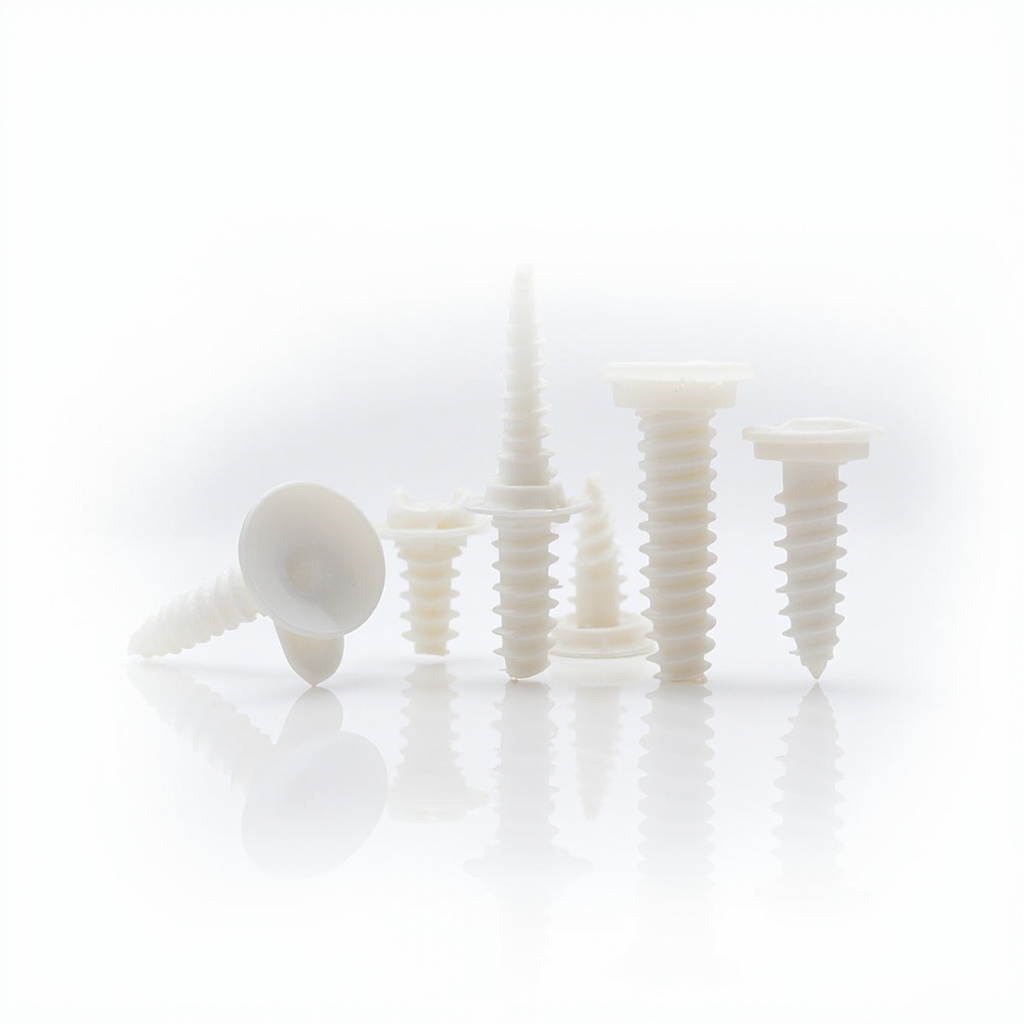
FRP/GRP複合材緩み止め金具の完全ガイド。
FRP/GRPファスナーとは?
FRP(繊維強化ポリマー)およびGRP(ガラス強化プラスチック)ファスナーは、複合材料から作られた非金属製ファスナーです。金属製ファスナーと比較し、独自の利点を提供します:耐腐食性 — 錆や電食に対して完全に免疫があり、金属製ファスナーが故障する環境でも使用可能;軽量性 — 鋼鉄と比較して約75%軽量(密度約1.8 g/cm³ 対 鋼鉄の約7.8 g/cm³);高い強度対重量比 — FRPは鋼鉄重量の数分の一で200〜1000 MPaの引張強度を達成可能;電気絶縁性 — 非導電性で、電気用途に理想的;熱絶縁性 — 熱や冷気を伝導しない;電波透過性 — 無線信号を妨害せず、アンテナマウントに理想的。関連資料:高張力ボルト アンカーボルト ステンレス製ファスナー 六角ボルト ロックナット ワッシャー セルフドリリングスクリュー ソケットスクリュー。この調達フレームワークは、建設、鉱業、エネルギー、自動車、一般産業用途向けのファスナー調達に適用されます。意思決定ロジックは、短期的な単価よりも品質の安定性、サプライヤーの信頼性、ライフサイクル全体の総所有コストを優先します。アフリカ、ラテンアメリカ、東南アジアのB2Bバイヤーにとって、追加の考慮事項には地域固有の通関要件、コンテナ混載オプション、決済セキュリティメカニズムが含まれます。プロジェクト横断で適用される標準化された仕様は、研修時間、RFQ処理時間、サプライヤーオンボーディング工数を削減します。標準化された仕様は、研修時間、RFQ処理時間、新規サプライヤー立ち上げ工数を大幅に削減します。B2Bバイヤーは、技術仕様書、品質要件、認証基準を含む社内ファスナー標準を開発し、すべての購買担当者の単一情報源とすべきです。サプライヤーポータルの評価スコアカード、品質監査チェックリスト、契約テンプレートを統合ナレッジベースに集約することで、ベンダー管理とリスク軽減を効率化できます。包括的な調達フレームワークには、戦略的カテゴリー計画、サプライヤー選定、技術仕様承認、契約交渉、受入検査、倉庫保管、最終ユーザー配布の全工程をカバーする標準業務手順書を含める必要があります。各ステップには明確な意思決定権限エスカレーションと文書化トレイルを確立し、説明責任と継続的改善を確保します。
種類と機械的特性
FRPファスナーは、プルトリュージョン(連続プロファイル成形)または成形(個別形状)によって製造されます:プルトルージョンGRPロッド — 最も一般的な形態;ポリエステルまたはビニルエステル樹脂中の連続ガラス繊維;ねじ切り加工によりGRPねじ切りロッドおよびボルトを作成;標準M6〜M24サイズが入手可能。成形FRPナットおよびブラケット — 圧縮成形または射出成形により製造;複雑な形状に成形可能;通常プルトルージョン品より強度は低い。プルトルージョンGRPの主要な機械的特性:引張強度 — 繊維含有量と配向により200〜600 MPa;圧縮強度 — 引張強度の約50%;弾性率 — 鋼鉄の約25%(より柔軟性がある);最高連続使用温度 — 樹脂システムにより100〜200°C。規格に基づく調達には、ISO、ASTM、DIN、GB規格が3〜5年ごとに改訂されるため、継続的な学習が必要です。規格更新通知に登録し、年次で仕様をレビューしてください。国際ファスナー取引で使用される最も一般的な規格は、ISO 898-1(機械的特性)、ISO 3506-1(ステンレス)、ISO 3269(受入検査)、ISO 4042(コーティング)、ISO 1502(ねじゲージ)です。B2Bバイヤーにとって、製品ミックスに関連する上位20規格以上を含む規格リファレンスライブラリの構築が不可欠です。規格参照ライブラリには、各規格の有効版コピー、解説ガイド、社内解釈ノート、よくある例外事項へのアクセスを含めるべきです。技術スタッフは定期的に研修を受け、規格の改訂について最新情報を入手すべきです。規格への準拠は監査証跡として文書化し、規制当局、顧客、内部品質システムへのトレーサビリティを提供する必要があります。能動的な規格管理プログラムは、コンプライアンス違反、客先拒否、ブランド評判の低下を防ぎます。
| Type | Tensile Strength | Key Advantage |
|---|---|---|
| Standard GRP (polyester) | 200-300 MPa | Cost-effective, general purpose |
| High-strength GRP (vinyl ester) | 400-600 MPa | Superior chemical resistance |
| Carbon fiber reinforced | 800-1000 MPa | Highest strength, electrical conductivity |
| GRP threaded rod | 300-500 MPa | Direct replacement for steel threaded rod |
産業用途
FRP/GRPファスナーは、金属が適さない場所で使用されます:冷却塔 — 組立およびメンテナンス用のFRPファスナー;継続的な水噴霧と化学処理に完全に免疫;FRPボルトとナットは冷却塔建設の標準です。水および廃水処理 — ステンレス鋼および溶融亜鉛めっきは塩素処理水と酸性環境で故障する;FRPは腐食のない耐用年数を提供。化学処理 — FRP製のタンク、配管、および容器は適合するFRPファスナーを使用;金属製ファスナーは電食セルを生成します。海洋および沿岸 — 船舶、ドック、沿岸構造物;塩分と海水により金属製ファスナーの維持が高価で困難;FRPはこれを完全に解決します。電気変電所およびスイッチギア — 二次格納、ケーブルトレイ支持、絶縁バリア用の非導電性ファスナー。食品および飲料 — FRPは清掃が容易で、金属表面のように細菌を保有しない。上記の比較方法論は、業界データおよびTradeGo調達経験2018〜2024からの典型的な範囲を使用しています。実際の市場価格は、原材料費(鋼鉄、亜鉛、ニッケル)、エネルギー費、人件費、為替レートによって変動します。正確な比較のために、3〜5社の認定サプライヤーから同一のRFQを請求し、陸上コスト(製品 + 配送 + 保険 + 関税)を比較してください。最低単価が最低総所有コストであることは稀です。比較には、5年間の耐用年数にわたる設置費、保守費、交換費、ダウンタイムコストを考慮すべきです。仕様遵守と品質の一貫性は、目に見えないが重要な価値があり、長期的に総所有コストに大きな影響を与えます。
制限事項と設計上の考慮事項
FRPファスナーには重要な制限があります:低い弾性率 — FRPは鋼鉄より約4倍柔軟性がある;これは接合部設計で考慮する必要があります — FRPボルトは荷重下でより伸びます。脆性破壊 — FRPは金属のように降伏しない;塑性変形という警告なしに突然故障する;これは安全性が重要な用途で考慮する必要があります。紫外線劣化 — 標準ポリエステルGRPは直射日光で劣化する;ビニルエステルまたはエポキシ樹脂がより耐UV性がある;屋外で使用する場合は常にUV安定化仕様を指定してください。電食 — FRPは電食を引き起こさないが、界面に水分が架橋すると金属の腐食を促進する可能性がある;金属と混合する場合は適切な絶縁を使用してください。ねじ山損傷 — FRPねじ山は金属ほど耐摩耗性がない;トルク時には注意が必要;振動用途にはねじロック接着剤の推奨。検証チェックリストは、初期サプライヤー認定と継続的なバッチ検査の両方に適用されます。高リスク用途(耐荷重構造、圧力容器、鉱業、海洋)には、疲労試験、塩水噴霧試験(ASTM B117)、トルク張力試験、および設置後検査を追加してください。追加検証の費用は注文額の0.1〜0.3%ですが、検出されない品質不良は注文額の10〜100倍の損害賠償になる可能性があります。包括的なリスク管理には、確率と影響度に基づいてサプライヤー監査とバッチ検査の頻度を調整すべきです。重要なインフラプロジェクトの場合、第三者検証と認証証明の要求を検討してください。文書化された検査記録と試験報告書は、トレーサビリティと継続的改善の基礎を提供します。
よくある質問
以下のよくある質問をご覧ください。
関連資料:高張力ボルト アンカーボルト ステンレス製ファスナー 六角ボルト ロックナット ワッシャー セルフドリリングスクリュー ソケットスクリュー。サプライヤー評価は一回限りの演習ではなく、継続的なプロセスであるべきです。納入実績、品質指標、 price competitiveness、応答性に基づいてサプライヤーを年次再評価してください。重み付け指標を含むサプライヤースコアカードを維持してください:納期遵守(25%)、品質合格率(30%)、価格競争力(20%)、応答性(15%)、および文書精度(10%)。6か月間にわたって70%未満のスコアを持つサプライヤーを除外し、代替品を認定してください。効果的なサプライヤー評価には、主要業績指標(KPI)の明確な定義と、サプライヤーとの透明性のあるコミュニケーションが必要です。改善領域について建設的なフィードバックを提供し、卓越した実績を認識することで、サプライヤー関係を強化します。サプライヤーポータルの評価四半期レビューミーティングを実施し、市場動向と新たな要件について議論します。継続的改善への取り組みは、長期的なパートナーシップと相互成功の基盤です。Can FRP fasteners replace steel fasteners in structural applications?
FRP fasteners can replace steel in many applications, but the design approach must change. FRP has lower modulus (more flexible) and different failure characteristics (brittle vs ductile). A structural engineer should verify the joint design. FRP is excellent for secondary structural members, non-load-bearing connections, and anywhere the weight saving or corrosion resistance justifies the higher cost. For primary structural connections in safety-critical applications, steel with appropriate corrosion protection is usually the better choice.
What is the lifespan of FRP fasteners in outdoor environments?
UV-stabilized vinyl ester or epoxy GRP fasteners can last 20-30+ years outdoors with minimal degradation. Standard polyester GRP without UV stabilization will degrade faster in direct sunlight — typically 5-10 years before significant surface chalking and strength reduction. Always specify UV-stabilized resin systems for outdoor applications, and consider a protective topcoat for critical applications.
Why do FRP threads strip more easily than steel?
FRP is less ductile than metal and has lower resistance to thread wear. The fibers can be abraded by repeated engagement, and the resin matrix can crack under stress concentration at the thread roots. To prevent stripping: use the correct torque specification for FRP (lower than steel); apply thread-locking adhesive to secure the joint; avoid repeated assembly/disassembly cycles; use a nut with a metal insert (metal threaded insert in FRP nut) for high-cycle applications.
プロジェクトにFRPまたはGRPファスナーが必要ですか?TradeGoから工場見積もりをご依頼ください。
Get Quote