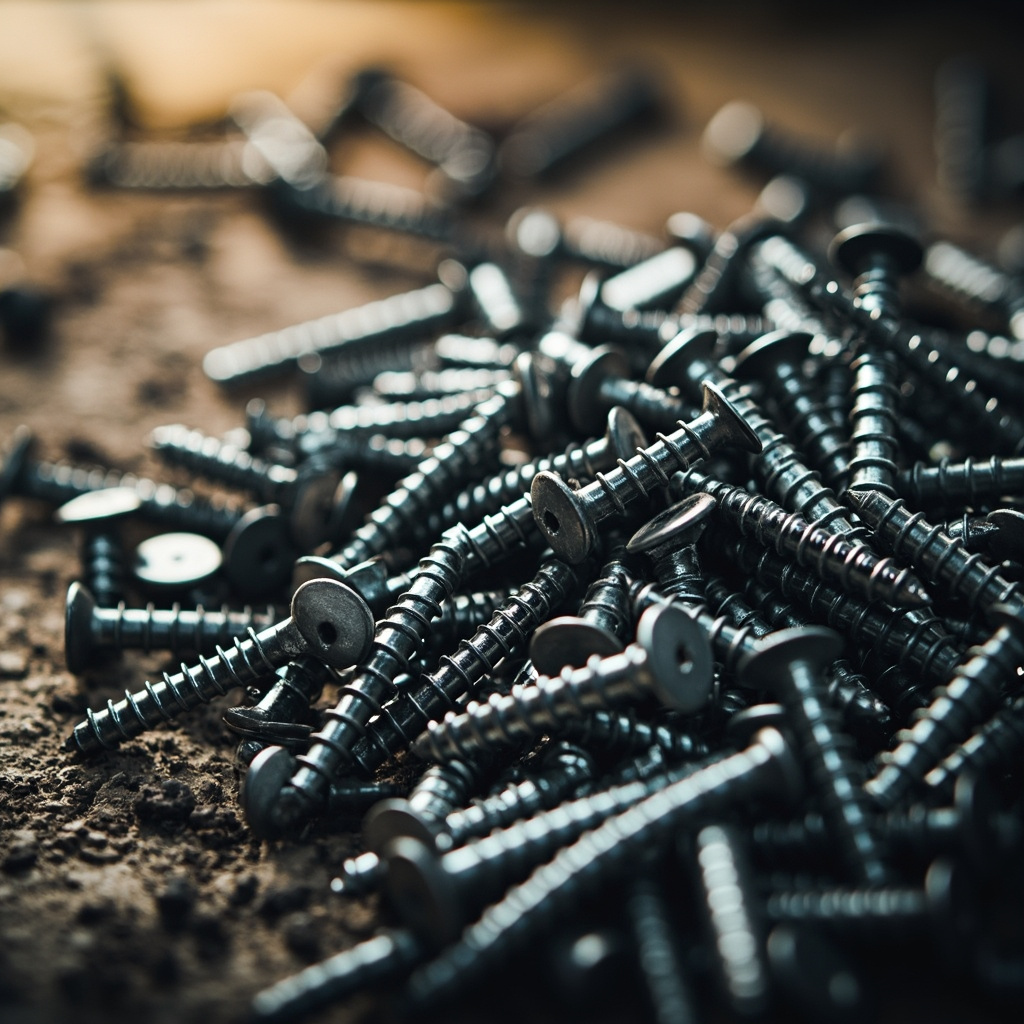
Source industrial fasteners for Ethiopia parks with our expert guide. Learn specifications, suppliers, and procurement strategies for Hawassa, Bole Lemi, and more.
Visão geral do mercado de fixadores em parques industriais da Etiópia
O desenvolvimento de parques industriais na Etiópia reformulou fundamentalmente o panorama de manufatura do país desde que a Comissão de Investimento Etíope lançou sua iniciativa de parques industriais em 2014 [1]. Com mais de 20 parques operacionais atraindo fabricantes globais nos setores têxtil, automotivo e de montagem, o mercado de fixadores para parques industriais na Etiópia emergiu como um segmento crucial da cadeia de suprimentos para apoiar esse boom industrial. A trajetória da demanda por fixadores correlaciona-se diretamente com as taxas de construção de instalações e as instalações de linhas de produção nessas zonas designadas. Marcas globais de vestuário, incluindo PVH, Primark e outras, estabeleceram instalações de produção em parques etíopes, criando uma demanda consistente por soluções de fixação em diversas aplicações [4]. O International Trade Centre relata que as exportações manufaturadas da Etiópia cresceram substancialmente, com o consumo de fixadores crescendo paralelamente a essa expansão [4]. No entanto, a capacidade de manufatura local permanece severamente limitada — a Agência de Padrões Etíope confirma que existem menos de cinco produtores domésticos de fixadores, forçando os locatários dos parques a depender predominantemente de soluções de fixação importadas [5]. A dependência de importações cria desafios e oportunidades para gerentes de compras. Parques importantes, incluindo Hawassa, Bole Lemi, Eastern Industrial Zone e Adama, mantêm requisitos de compras específicos frequentemente coordenados por meio de acordos-quadro de gestão de parques [1]. Entender essas estruturas de compras é essencial para fornecedores que buscam atender às empresas locatárias de forma eficaz. O corredor do porto de Djibouti serve como o principal ponto de entrada para fixadores importados, com o Banco Africano de Desenvolvimento observando uma melhoria na infraestrutura logística que conecta as instalações portuárias aos destinos industriais etíopes [6]. Os padrões de qualidade alinham-se às especificações internacionais, no entanto, o clima etíope — caracterizado por exposição a alta altitude UV e chuvas sazonais — exige uma seleção cuidadosa do tratamento de superfície. Distribuidores locais fazem parcerias cada vez mais frequentes com fabricantes chineses e turcos para atender aos locatários dos parques, embora esses intermediários geralmente cobrem prêmios de 20-30% para disponibilidade imediata [3]. Existem oportunidades de mercado para fornecedores que oferecem suporte técnico, especialização em especificações e capacidades de entrega just-in-time que reduzem os custos de estoque dos locatários.
Especificações de fixadores para fabricação etíope
Os parques industriais na Etiópia exigem predominantemente fixadores com padrões ISO e DIN para linhas de produção e construção de instalações, com a Agência de Padrões Etíope alinhando os padrões nacionais aos equivalentes internacionais [5]. Entender por que especificações específicas são importantes — não apenas listá-las — permite que os gerentes de compras tomem decisões econômicas que evitam inatividade das instalações e atrasos na produção. Parafusos sextavados, parafusos de cabeça cilíndrica com sextavado interno, arruelas e porcas nas classes 8.8 e 10.9 constituem o espectro principal de demanda [7]. Fixadores de classe 8.8 (resistência à tração mínima de 640 N/mm²) são adequados para aplicações estruturais gerais e montagem de máquinas leves, enquanto as variantes de classe 10.9 (mínimo de 940 N/mm²) são necessárias para conexões de alto estresse em sistemas de esteiras e montagem de equipamentos de produção. Especificar a classe errada introduz riscos de segurança ou prêmios de custo desnecessários — a classe 10.9 custa aproximadamente 15-20% a mais do que os equivalentes de classe 8.8. Fixadores de aço inoxidável (A2-70, A4-80) atendem a aplicações resistentes à corrosão em zonas de processamento de alimentos e farmacêuticas dentro de certos parques [5]. A distinção é importante: o A2-70 (aço inoxidável 304, carga de prova de 700 N/mm²) oferece resistência à corrosão adequada para operações de processamento úmido têxtil, enquanto o A4-80 (aço inoxidável 316) torna-se necessário para a fabricação farmacêutica, onde agentes de limpeza químicos aceleram a corrosão em ligas inferiores. A seleção do tratamento de superfície requer atenção especial às condições etíopes. A galvanização a quente (espessura de revestimento mínima de 45 μm conforme ISO 1461) supera o zincado (8-12 μm conforme ISO 4042) para aplicações estruturais externas devido à proteção galvânica superior em condições úmidas [7]. O zincado é adequado para equipamentos de produção internos onde considerações estéticas e ajuste de rosca são importantes. A fosfatização proporciona maior lubricidade para fixadores em aplicações de montagem automatizada, reduzindo a variação de torque durante a instalação. Os tipos de rosca seguem roscas métricas ISO (padrão M6 a M24), embora alguns equipamentos importados de fornecedores norte-americanos ou sul-americanos possam exigir roscas imperiais UNC/UNF [2]. Os gerentes de compras devem verificar a compatibilidade da rosca antes de fazer o pedido — misturar fixadores métricos e imperiais desperdiça o orçamento de compras e atrasa os cronogramas de produção. Os requisitos de documentação técnica incluem certificados de teste de material confirmando a composição química e testes de dureza conforme as especificações ISO 898. A rastreabilidade do lote por números de corrida permite a análise de causa raiz quando ocorrem falhas em campo, protegendo tanto os relacionamentos com fornecedores quanto a continuidade da produção [5].
Principais parques industriais e centros de demanda de fixadores
A distribuição espacial dos parques industriais etíopes cria características de demanda distintas que os gerentes de compras devem entender para uma estratégia de fornecimento eficaz [1]. A especialização de cada parque influencia os requisitos de tipo de fixador, volumes de pedido e prazos de compra. O Parque Industrial de Hawassa representa o principal centro de fabricação têxtil da Etiópia, abrangendo 300 hectares e abrigando mais de 25 fabricantes internacionais de vestuário [1]. Essa escala se traduz em uma demanda substancial por fixadores para manutenção de máquinas de costura, montagem de equipamentos de corte e infraestrutura das instalações. As operações têxteis exigem atenção especial aos fixadores de aço inoxidável em seções de processamento úmido, onde produtos químicos de tingimento criam ambientes corrosivos. O consumo mensal de fixadores para uma instalação de confecção de médio porte geralmente varia de 15.000 a 25.000 peças em várias especificações. O Parque Industrial de Bole Lemi concentra-se na fabricação orientada para exportação em vários setores, incluindo montagem de eletrônicos e componentes automotivos [1]. As operações de linha de montagem aqui exigem fixadores de precisão com tolerâncias dimensionais rígidas — parafusos de cabeça cilíndrica com sextavado interno que atendem às especificações ISO 4762 em vez de alternativas de uso geral. Aplicações de montagem de equipamentos exigem fixadores de alta resistência de classe 10.9, capazes de suportar cargas de vibração de sistemas de montagem automatizados. A Zona Industrial Oriental perto de Dire Dawa atende aos setores de logística e manufatura leve, com ênfase particular na montagem de máquinas agrícolas [2]. A proximidade deste parque ao porto de Djibouti (aproximadamente 95 quilômetros) oferece vantagens logísticas para remessas de fixadores importados, reduzindo os custos de transporte interno em $150-250 por contêiner em comparação com os destinos de Adis Abeba. As aplicações de máquinas agrícolas frequentemente especificam fixadores com revestimentos especializados resistentes a ácidos de resíduos de colheita e produtos químicos fertilizantes. O Parque Industrial de Adama tem como alvo a produção de componentes automotivos e máquinas agrícolas [1]. Os requisitos do setor automotivo alinham-se aos princípios de gestão de qualidade IATF 16949, exigindo fornecedores capazes de fornecer documentação PPAP e dados de controle estatístico de processo. Fixadores das classes 10.9 e 12.9 predominam nas aplicações de montagem de motores e trens de força. As estruturas de compras dos locatários variam entre os parques. Algumas instalações operam sob acordos centralizados de gestão de parques onde as especificações dos fixadores são pré-negociadas, enquanto outras mantêm relacionamentos independentes com fornecedores [1]. Entender essas estruturas evita que os gerentes de compras ofereçam cotações que não podem ser aceitas devido a acordos contratuais existentes. Fornecedores locais de hardware atendem às necessidades de manutenção de emergência, mas cobram preços premium — os gerentes de compras devem estabelecer relacionamentos com distribuidores de Adis Abeba para reposição padrão, reservando compras locais rápidas para situações genuinamente críticas para a produção.
Estratégias de fornecimento e aquisição
A aquisição eficaz de fixadores para parques industriais etíopes exige equilibrar o custo unitário com o custo total de entrega, confiabilidade de suprimento e provisões de garantia de qualidade [3]. Os gerentes de compras que avaliam os canais de suprimento devem considerar fatores além do preço inicial de compra. A compra direta de fabricantes na China, Turquia e Índia oferece vantagens de custo para pedidos de fixadores em grandes quantidades [7]. Fabricantes chineses como Fasten Group e Shanghai Yiu oferecem preços competitivos com quantidades mínimas de pedido começando em 5.000 peças por SKU. A capacidade de produção chinesa permite o cumprimento rápido de grandes pedidos, embora a consistência da qualidade varie significativamente entre os fabricantes — os gerentes de compras devem solicitar avaliações de amostras antes de se comprometerem com pedidos de volume. Fornecedores turcos, como a Pekkanlar Fasteners, atendem aos padrões de qualidade europeus (padrões EN ISO) com prazos de entrega aproximadamente 7-10 dias mais curtos do que as alternativas do Extremo Oriente, justificando preços premium para pedidos sensíveis ao tempo. Distribuidores locais em Adis Abeba mantêm estoque para requisitos urgentes, mas aplicam prêmios de 20-30% [4]. Esses distribuidores desempenham funções valiosas para pedidos de emergência em pequenas quantidades e fornecem suporte técnico em idiomas locais. No entanto, a profundidade de seu estoque permanece limitada — os gerentes de compras devem verificar a disponibilidade de SKU específica em vez de presumir que as especificações padrão estão em estoque. Os termos de pagamento exigem negociação cuidadosa. Fabricantes chineses estabelecidos normalmente exigem cartas de crédito (LC) ou pagamento antecipado para os primeiros pedidos, fazendo a transição para contas abertas após o estabelecimento do histórico de relacionamento. Os fornecedores turcos podem oferecer termos iniciais mais favoráveis, dadas as distâncias de envio mais curtas. Os regulamentos de importação etíopes exigem documentação incluindo certificado de origem, fatura comercial e lista de embalagem autenticada pela embaixada ou comissão comercial etíope [2]. O envio consolidado reduz os custos logísticos unitários para grandes pedidos. Agrupar vários SKUs em remessas únicas de contêiner reduz os custos de frete para aproximadamente $2.800-3.200 por contêiner de 20 pés com origem na China. Dividir pedidos em várias pequenas remessas aumenta os custos logísticos proporcionalmente — os gerentes de compras devem agrupar pedidos para atender aos mínimos de contêiner quando a capacidade de armazenamento permitir. A implementação da integração ERP com fornecedores permite pedidos baseados em previsão e otimização de estoque [4]. Compartilhar previsões contínuas de 90 dias permite que os fabricantes planejem as rodadas de produção com eficiência, reduzindo os custos unitários por meio de economias de escala. Os gerentes de compras devem estabelecer cadências mensais de atualização de previsão com os principais fornecedores.
Considerações logísticas e de importação
Entender a cadeia logística de importação da Etiópia é essencial para cálculos precisos de custo total e agendamento de entrega [3]. O corredor de Djibouti domina as importações de fixadores, com rotas alternativas via Berbera (Somalilândia) ou Tadjoura atendendo a requisitos de menor volume. As remessas de fixadores com origem na Ásia para o porto de Djibouti exigem 15-25 dias de frete marítimo, dependendo dos horários das transportadoras e do congestionamento portuário [3]. Linhas de transporte de contêineres, incluindo CMA CGM, MSC e Maersk, operam serviços regulares neste corredor. Após a chegada, os procedimentos alfandegários envolvem verificação de documentação, inspeção e avaliação de impostos sob os regulamentos de importação da Etiópia [2]. As importações de fixadores normalmente atraem 15% de imposto alfandegário mais 15% de IVA sob a pauta tarifária etíope [2]. Essas cobranças aplicam-se ao valor CIF (Custo, Seguro, Frete), o que significa que os custos logísticos inflam a base de imposto. Os gerentes de compras devem garantir que os custos de frete sejam declarados com precisão — valores de frete superestimados aumentam as responsabilidades fiscais desnecessariamente. As taxas de manuseio portuário e o transporte interno para Adis Abeba adicionam aproximadamente $400-600 por contêiner de 20 pés [3]. Esse valor varia com os preços dos combustíveis e as condições das estradas; as obras na ferrovia Adis Abeba-Djibouti melhoraram a confiabilidade, mas não atendem diretamente ao transporte de contêineres. Cobranças adicionais aplicam-se a taxas de despachante aduaneiro (geralmente $150-300 por remessa) e taxas de inspeção de mercadorias. O prazo de entrega desde a colocação do pedido até a entrega nas instalações do parque é, em média, de 45-60 dias, compreendendo o tempo de fabricação (10-15 dias), frete marítimo (15-25 dias) e desembaraço aduaneiro mais transporte interno (10-20 dias) [3]. Os gerentes de compras devem incorporar esse cronograma no agendamento de produção e nos cálculos de estoque de segurança. As remessas LCL (Less than Container Load) atendem a pedidos menores de 3 metros cúbicos, oferecendo flexibilidade a aproximadamente $180-220 por metro cúbico [3]. No entanto, a consolidação LCL introduz riscos de manuseio — os gerentes de compras devem especificar paletização de madeira com barreiras contra umidade para carga LCL. Os requisitos de embalagem para trânsito na Etiópia exigem atenção. Remessas paletizadas com barreiras contra umidade evitam danos por corrosão durante a exposição à umidade tropical e manuseio brusco durante o trânsito interno [3]. O filme stretch impermeável sobre caixas paletizadas, combinado com pacotes dessecantes para especificações sensíveis, fornece proteção adequada para a maioria das aplicações.
Garantia de qualidade e seleção de fornecedores
A seleção de fornecedores de fixadores para clientes de parques industriais etíopes exige uma avaliação sistemática que vá além da comparação de preços [5]. Falhas de qualidade em aplicações críticas de produção criam custos que excedem em muito as diferenças de preço de compra dos fixadores. As certificações de fabricação fornecem confiança básica no sistema de qualidade. A certificação ISO 9001 indica processos de gestão de qualidade documentados, enquanto a ISO 14001 aborda a gestão ambiental [5]. Para fornecedores do setor automotivo, a certificação IATF 16949 demonstra sistemas específicos de qualidade automotiva. Os gerentes de compras devem solicitar cópias dos certificados atuais e verificar a validade por meio de bancos de dados de órgãos de certificação. Relatórios de teste de produto de laboratórios de terceiros confirmam as propriedades do material e a precisão dimensional. A verificação das propriedades mecânicas ISO 898 para fixadores de aço e as especificações ISO 3506 para variantes de aço inoxidável devem aparecer na documentação do fornecedor [7]. Fornecedores que não estão dispostos a fornecer relatórios de teste independentes justificam escrutínio adicional. A avaliação de amostras evita problemas de qualidade em pedidos em grandes volumes. Solicite amostras de 50 a 100 peças de SKUs críticos e envie ao seu departamento de qualidade para verificação dimensional, teste de dureza e inspeção visual. Documente os critérios de aceitação antes de pedir — padrões de qualidade ambíguos convidam a disputas na entrega. A comparação de preços deve levar em conta o custo total, incluindo frete, impostos e possível tempo de inatividade relacionado à qualidade [6]. Um fixador que custa 5% a menos, mas chega 10 dias atrasado, cria atrasos na produção que excedem as economias. Da mesma forma, falhas por corrosão que exigem reaquisição emergencial e mão de obra de manutenção excedem em muito as diferenças iniciais de custo. A capacidade de resposta do fornecedor indica a confiabilidade do serviço. Respostas rápidas às cotações (dentro de 24-48 horas para consultas padrão), comunicações proativas sobre prazos de entrega e eficiência na resolução de problemas preveem a qualidade do relacionamento melhor do que apenas as certificações. Teste a capacidade de resposta do fornecedor com pequenos pedidos iniciais antes de se comprometer com grandes volumes. Os termos de garantia e políticas de devolução protegem os compradores contra remessas defeituosas. A prática padrão inclui a substituição de material não conforme dentro de prazos especificados, com os custos de frete de devolução arcados pelos fornecedores por suas falhas de qualidade. Documente as expectativas de garantia nos pedidos de compra para estabelecer uma estrutura legal de recurso. Construir parcerias de longo prazo com 2-3 fornecedores qualificados garante a continuidade do fornecimento enquanto mantém a pressão de preços competitivos. Dependências de fonte única criam riscos inaceitáveis, dadas as complexidades da logística de importação etíope. Echelonne o tempo dos pedidos entre fornecedores para diversificar o risco de entrega. A presença em feiras comerciais conecta compradores com fabricantes e distribuidores de fixadores verificados. A Ethiopia Manufacturing Expo e o East Africa Trade and Investment Forum oferecem um local para avaliação de fornecedores e desenvolvimento de relacionamentos [1]. Exposições internacionais de fixadores, incluindo a Fastener Fair Stuttgart e a China International Fastener Expo, oferecem acesso mais amplo a fornecedores.
Need a quote for Ethiopia industrial park fasteners? Contact TradeGo for factory pricing and SADC logistics.
Request Quote