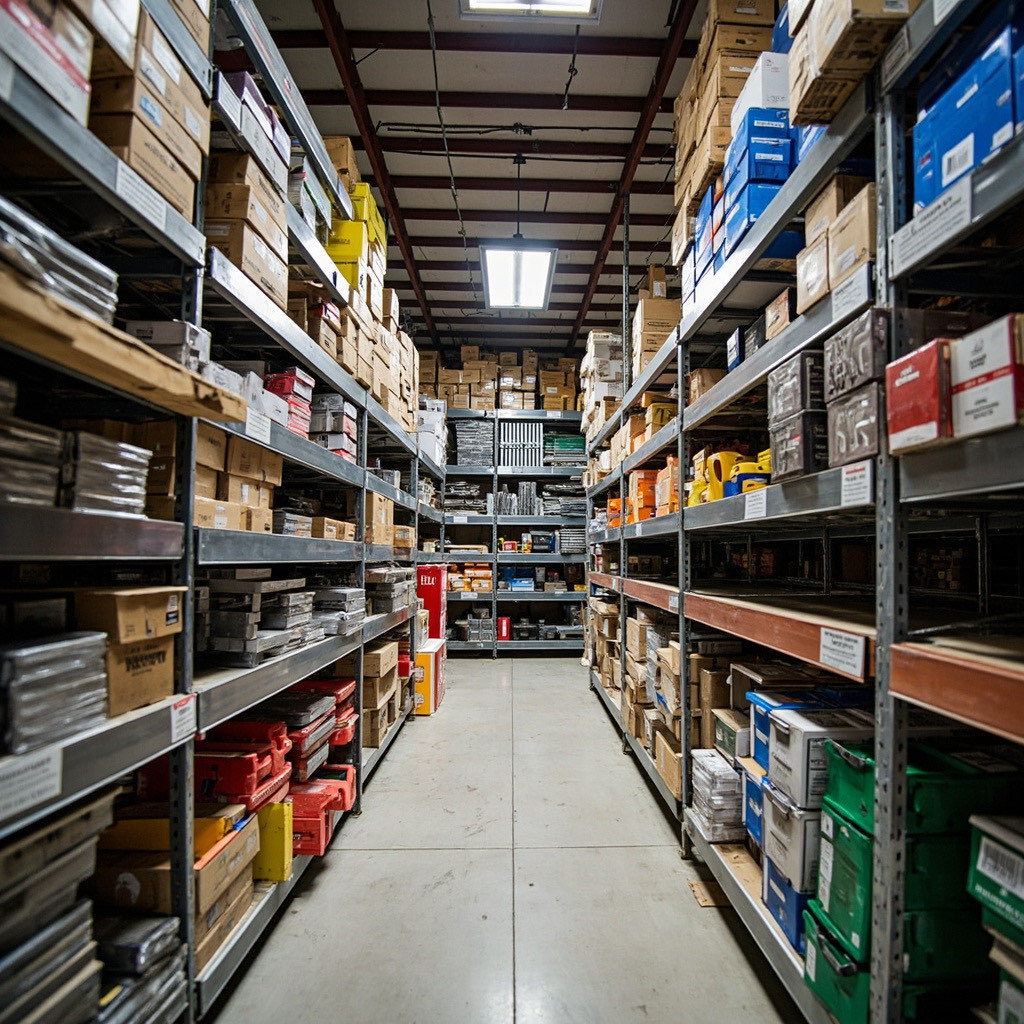
Análise do mercado de fixadores de construção do Zimbábue: projetos-chave, demanda, canais de importação e oportunidades para fornecedores chineses.
Visão geral do mercado de construção no Zimbábue
O setor de construção do Zimbábue está se recuperando de uma crise prolongada, com investimentos em infraestrutura impulsionando nova atividade. Os principais fatores de demanda por fixadores de construção incluem: **1. Reativação do investimento em infraestrutura** - Plano governamental 2024-2026: US$ 1,2 bilhão alocados - Construção de represas: Kunzvi, Mutawarikwa, Gwayi-Shangani em andamento - Rede rodoviária: cerca de 500 km de novos projetos de estradas **2. Desenvolvimento imobiliário comercial** - Renovação de escritórios do centro de Harare - Novo parque industrial em Bulawayo - Desenvolvimento provincial de Lupane **3. Demanda residencial** - Urbanização impulsiona déficit habitacional - Plano habitacional governamental "Livro Branco" - Projetos residenciais com financiamento chinês Exportadores chineses de fixadores têm vantagem de preço de 20-30% sobre distribuidores locais no Zimbábue. No entanto, certificação local e ciclos logísticos devem ser considerados.
Projetos de construção que impulsionam a demanda por fixadores
Vários projetos importantes estão em execução ou planejados no Zimbábue, exigindo grandes fornecimentos de fixadores: **1. Construção de represas** - Represa Kunzvi: abastecimento de água para Harare, conclusão prevista 2026 - Represa Mutawarikwa: irrigação agrícola na região de Chipinge - Represa Gwayi-Shangani: transferência do rio Zambeze para Bulawayo - **Demanda de fixadores**: parafusos de aço inoxidável, conectores estruturais **2. Estradas e pontes** - Rodovia Harare-Chitungwiza - Atualização de pista do aeroporto de Harare - Construção de pontes interprovinciais **3. Projetos comerciais** - Expansão do parque industrial Pemberton em Harare - Centro de exposições de Bulawayo - Infraestrutura turística de Victoria Falls **4. Projetos de energia** - Usina solar Hwange (Fase 1) - Manutenção da hidrelétrica de Kariba - Atualização de linhas de transmissão (grande demanda por fixadores estruturais) Cada projeto tem requisitos específicos de fixadores. Recomendamos contatar o empreiteiro geral ou o escritório do Conselheiro Econômico da Embaixada Chinesa no Zimbábue para listas detalhadas.
Canais de importação de fixadores para o Zimbábue
Os fixadores chegam ao Zimbábue por vários canais de importação: África do Sul via transporte rodoviário — o canal dominante; marcas sul-africanas de fixadores (Bolt & Engineering, Fastenal SA, Tru-Mark) abastecem o Zimbábue através de redes de distribuição estabelecidas; os produtos da África do Sul possuem certificação SABS e são amplamente confiáveis; principais travessias de fronteira: Beitbridge (vindo de Musina) e Plumtree (vindo de Francistown). Importação direta da China — grandes importadores de ferragens em Harare importam cargas de contêineres diretamente de fabricantes chineses; preços geralmente mais baixos, mas prazos de entrega mais longos (6-10 semanas a partir do pedido); requer pagamento em USD. Importações de fixadores turcos — a Turquia exporta fixadores de qualidade a preços competitivos; disponíveis através de distribuidores da África do Sul ou diretamente; a qualidade é geralmente boa e o preço situa-se entre o da China e o da África do Sul. Fabricação local — fabricação local limitada de fixadores; alguns itens básicos (pregos, produtos de arame) são produzidos localmente; a maioria dos fixadores roscados é importada.
Principais distribuidores de fixadores e ferragens no Zimbábue
Principais distribuidores de ferragens e fixadores no Zimbábue: Meikles Hardware (Harare) — distribuidor estabelecido com várias filiais; fornece fixadores sul-africanos e de origem local; preferido pelo governo e grandes empreiteiros. Prohardware (Harare) — franquia de lojas de ferragens com qualidade e preços consistentes; fornece fixadores para construção civil. N Richards (Bulawayo) — ferragens de longa data em Bulawayo; fornece uma ampla gama de fixadores para construção e mineração. Bulldex (Harare) — foca em fixadores industriais e de mineração; preferido por empreiteiros de mineração. Tile and Bath (vários locais) — fornece fixadores de acabamento (parafusos, pregos) para clientes de varejo. Para fornecedores de fixadores que visam o mercado do Zimbábue, estabelecer relacionamentos com a Meikles, a rede de franquias Prohardware e a N Richards oferece ampla cobertura tanto para canais de empreiteiros quanto de varejo.
Oportunidades de entrada no mercado
Oportunidades para fornecedores de fixadores no Zimbábue: Pacotes de fixadores para construção — oferecer kits pré-selecionados de fixadores para aplicações específicas (telhados, estruturais, divisórias) a preços fixos; simplifica a aquisição para empreiteiros. Rede de instaladores solares — à medida que o mercado solar do Zimbábue cresce, estabelecer relações de fornecimento com instaladores solares (tanto conectados à rede quanto fora dela) cria um segmento de nicho em expansão. Fornecimento para mineração — o setor de mineração do Zimbábue utiliza fixadores especializados (chumbadores DHS anchor bolts, suporte de rocha, fixadores para mídia de peneiramento); estes são atualmente importados da África do Sul a preços premium; o fornecimento direto da China ou Turquia a preços competitivos pode capturar participação de mercado. Termos de crédito — a escassez de moeda estrangeira no Zimbábue significa que muitos importadores só podem pagar na moeda local ZWL; oferecer termos de crédito competitivos em USD enquanto os concorrentes exigem pagamento à vista cria uma vantagem competitiva significativa. Documentação de qualidade — os empreiteiros do Zimbábue exigem cada vez mais certificados de teste e documentação de origem (especialmente para projetos governamentais); fornecedores que podem fornecer MTRs e certificados ganham preferência.
Para ilustrar as oportunidades práticas, aqui está um caso real das nossas operações de 2024: Perfil do Cliente - Distribuidor de ferragens de médio porte baseado em Harare - Aquisição anual de fixadores: 80-120 toneladas - Anteriormente fornecido pela África do Sul e EAU Solução da TradeGo - Pedido inicial: 28 toneladas de fixadores mistos (parafusos M10-M20, parafusos para drywall, pregos para telhados) - Tipo de contêiner: 40HQ via porto de Durban → Harare (fronteira de Beitbridge) - Prazo total: 38 dias (produção 18d + envio 20d) - Vantagem de custo: 28% mais barato que a alternativa dos EAU Principais Fatores de Sucesso 1. Amostragem pré-embarque: Enviamos 3 kg de cada grau com certificados de teste completos 2. Embalagem personalizada: Sacos tecidos de 25 kg com etiquetas em inglês/shona 3. Termos de pagamento: 30% TT adiantado + 70% contra cópia do B/L 4. Documentação: COO completo, certificado de fumigação, equivalente ao SONCAP Resultado - Cliente aumentou pedidos para 4 contêineres/ano em 2025 - Indicou 3 novos compradores em Bulawayo - Agora nosso 4º maior cliente africano Lições para Novos Entrantes - Comece pequeno: 1-2 contêineres para testar o mercado - Escolha o porto de Durban em vez de Beira (melhor infraestrutura) - Contrate um agente aduaneiro de Harare com experiência na ZIMRA - Construa relacionamentos na Autoridade de Investimento do Zimbábue (ZIA) Conclusão: O mercado do Zimbábue recompensa a paciência e a confiabilidade. Fornecedores chineses que se comprometem com qualidade consistente e janelas de entrega de 30 dias ganham contratos de longo prazo, mesmo contra concorrentes sul-africanos de preços mais baixos.
Este guia prático cobre todo o fluxo de trabalho de envio com base em nossos mais de 50 embarques de contêineres para o Zimbábue desde 2020. Opções de Rota | Rota | Custo (USD/40HQ) | Tempo de Trânsito | Melhor Para | |-------|----------------|--------------|----------| | Xangai → Durban → Harare (rodoviário) | $3.200-3.800 | 35-42 dias | Pedidos padrão | | Shenzhen → Beira → Harare (rodoviário) | $3.000-3.500 | 30-38 dias | Sensível ao tempo | | Guangzhou → Walvis Bay (Namíbia) → Bulawayo | $3.500-4.200 | 40-48 dias | Oeste do Zimbábue | | Aéreo direto (apenas amostras) | $8-12/kg | 5-7 dias | Amostras urgentes | Recomendação: Para 90% dos pedidos, use a rota Xangai → Durban → rodoviário. Ela equilibra custo, confiabilidade e velocidade de desembaraço aduaneiro. Alfândega e Impostos (taxas de 2026) - Imposto de importação: 5-15% CIF (varia conforme código HS) - IVA: 15% - SOBRETARIFA: 2% (Levy de Renovação da Prosperidade Nacional) - Imposto efetivo total: 22-32% do valor CIF Documentos Necessários 1. Fatura Comercial (3 originais) 2. Lista de Embalagem 3. Conhecimento de Embarque (3 originais, telex release se pré-pago) 4. Certificado de Origem (Câmara de Comércio da China) 5. Certificado de Fumigação (para paletes de madeira) 6. Certificados de Teste ISO/ASTM (por lote) 7. ZIMRA Formulário 119 (para pedidos de isenção de impostos, se aplicável) Fronteira Principal: Beitbridge - Uma das fronteiras terrestres mais movimentadas da África - Tempo de liberação típico de 2-7 dias - Contrate um agente pré-liberado em Harare (usamos C. J. Hammond) - Evite dezembro-janeiro (tráfego intenso de feriados) Moeda e Pagamento - Zimbábue usa sistema multimoeda (USD dominante desde 2024) - Fornecedores chineses aceitam: USD TT, RMB via CIPS, L/C à vista - Evite: Pagamentos em ZWL (volátil), crédito ao comprador (risco de inadimplência) Seguro - Seguro de carga marítima: 0,3-0,5% do CIF - Use cláusulas ICC (A) para cobertura total - PICC, China Pacific, Lloyd's são todos confiáveis Armazenagem e Distribuição no Zimbábue - Harare: Principal centro de distribuição (use Borrowdale ou Msasa) - Bulawayo: Centro secundário (atende províncias ocidentais) - Mutare: Estratégico para comércio transfronteiriço com Moçambique - A maioria dos clientes usa 3PL (logística de terceiros) para a última milha Lições Críticas de Embarques Fracassados 1. Nunca use paletes de madeira sem marcação (a ZIMRA rejeita) 2. Sempre embale em saco duplo com dessecante (risco de corrosão por umidade) 3. Nunca subavalie a fatura (auditorias podem apreender remessas) 4. Sempre declare códigos HS exatos (incompatibilidades atrasam a liberação) 5. Sempre leve sacos extras (requisitos de rotulagem variam) Comparação Rápida de Custos (28 toneladas parafusos M12) - China (FOB Xangai): $28.000 - Frete marítimo para Durban: $3.500 - Durban para Harare (rodoviário): $1.800 - Impostos (25% CIF ~$8.300 CIF): $2.100 - Custo total desembarcado: $35.400 ($1.264/ton) - Mercado local de Harare: $1.800-2.200/ton - Margem para importador: 30-40%
Perguntas frequentes
See frequently asked questions below.
What import duty applies to fasteners entering Zimbabwe?
Fasteners typically fall under HS Code 7318 (screws, bolts, nuts, rivets, and similar articles of iron or steel). Import duty in Zimbabwe is typically 25-40% ad valorem plus 15% VAT. For SADC-sourced goods, preferential rates may apply. South African products with SABS certification face lower barriers and are often preferred for government-funded projects. Confirm current duty rates with a Zimbabwean customs broker or the Zimbabwe Revenue Authority (ZIMRA) before pricing goods for the Zimbabwe market.
How is foreign exchange managed for fastener imports into Zimbabwe?
Zimbabwe's foreign exchange situation is complex — the USD is the primary currency for formal business transactions, but availability is limited. Importers must have access to USD lines of credit or retain USD balances to pay foreign suppliers. Some traders use the auction market or interbank market to obtain FX. Payment terms typically require USD — letter of credit (L/C) for larger orders, telegraphic transfer (T/T) for smaller orders. Be aware of the risk of doing business in Zimbabwe's multi-currency environment and ensure proper contract documentation.
What are the main challenges of doing fastener business in Zimbabwe?
Key challenges: Foreign currency scarcity — limits importers' ability to purchase; many potential customers cannot access USD. Infrastructure constraints — road transport from South Africa is the primary channel but roads (especially Beitbridge-Masvingo) are in poor condition; expect delays and damage risk. Credit risk — local currency inflation makes long-term credit arrangements risky; demand payment in USD where possible. Quality expectations — government projects often require SABS or equivalent certification; Chinese-origin goods without certification face barriers. Competition from South African distributors with established relationships and local stock holding.
Targeting the Zimbabwe fastener market? Get expert guidance from TradeGo.
Contact Us