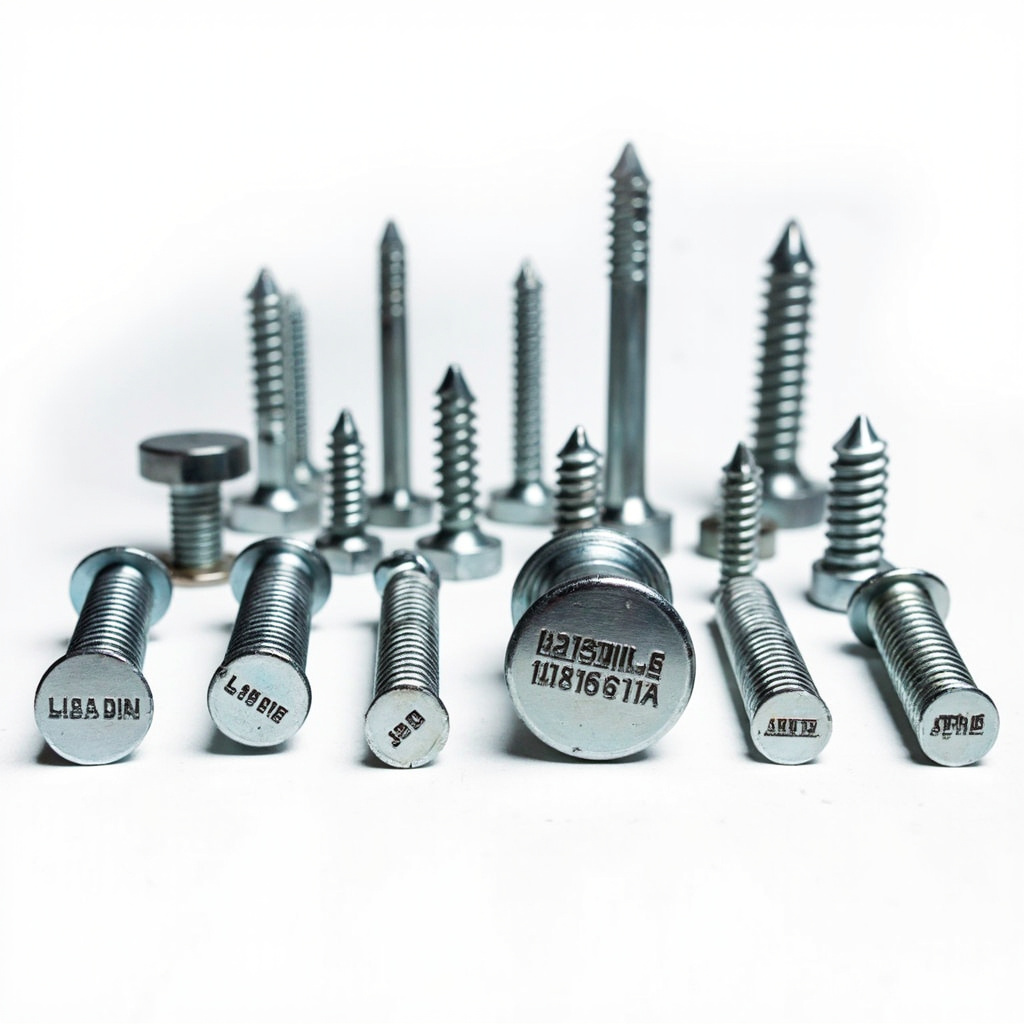
Сравнение стандартов крепежа DIN, ANSI, GB и SABS: размерные различия, эквивалентность классов и требования соответствия.
Обзор основных стандартов на крепёжные изделия
Стандарты на крепёжные изделия определяют допуски на размеры, механические свойства и требования к испытаниям, обеспечивающие взаимозаменяемость и надёжность. Четырьмя наиболее значимыми стандартами для международного строительства являются DIN (Deutsches Institut für Normung, Германия), ANSI/ASME (Американский национальный институт стандартов), GB (Guobiao, Китай) и SABS (Южноафриканское бюро стандартов). Стандарты DIN наиболее широко применяются в Африке и на Ближнем Востоке вследствие исторического европейского влияния на строительную практику. Стандарты ANSI/ASME доминируют в Северной Америке и на рынках, испытавших американское влияние. Стандарты GB получают всё более широкое распространение по мере того, как китайские крепёжные изделия занимают ведущие позиции на мировом рынке. Стандарты SABS незаменимы для проектов в ЮАР и государствах — членах SADC. Понимание взаимосвязей между этими стандартами критически важно для закупок — болт, указанный как DIN 931 Grade 8.8, может не быть полностью идентичным по размерам болту ANSI B18.2.1 Grade 5, несмотря на схожие механические свойства. Ключевые различия существуют в размерах головок, профилях резьбы и классах точности. Сопутствующие материалы: высокопрочные болты анкерные болты крепёж из нержавеющей стали болты с шестигранной головкой контргайки шайбы саморезы винты с внутренним шестигранником. Данная система закупок применима к поставкам крепежа для строительства, горнодобычи, энергетики, автомобилестроения и общепромышленного применения. Логика принятия решений отдаёт приоритет стабильности качества, надёжности поставщика и совокупной стоимости владения, а не краткосрочной цене за единицу. Для B2B-покупателей в Африке, Латинской Америке и Юго-Восточной Азии дополнительно учитываются региональные таможенные требования, возможности консолидации контейнеров и механизмы обеспечения платёжной безопасности. Унифицированные спецификации, которые переносятся между проектами, сокращают время обучения, время обработки RFQ-запросов и затраты на онбординг поставщиков. Данная система закупок применима к поставкам крепежа для строительства, горнодобычи, энергетики, автомобилестроения и общепромышленного применения. Логика принятия решений отдаёт приоритет стабильности качества, надёжности поставщика и совокупной стоимости владения, а не краткосрочной цене за единицу. Для B2B-покупателей в Африке, Латинской Америке и Юго-Восточной Азии дополнительно учитываются региональные таможенные требования, возможности консолидации контейнеров и механизмы обеспечения платёжной безопасности. Унифицированные спецификации, которые переносятся между проектами, сокращают время обучения, время обработки RFQ-запросов и затраты на онбординг поставщиков. Данная система закупок применима к поставкам крепежа для строительства, горнодобычи, энергетики, автомобилестроения и общепромышленного применения. Логика принятия решений отдаёт приоритет стабильности качества, надёжности поставщика и совокупной стоимости владения, а не краткосрочной цене за единицу. Для B2B-покупателей в Африке, Латинской Америке и Юго-Восточной Азии дополнительно учитываются региональные таможенные требования, возможности консолидации контейнеров и механизмы обеспечения платёжной безопасности. Унифицированные спецификации, которые переносятся между проектами, сокращают время обучения, время обработки RFQ-запросов и затраты на онбординг поставщиков. Данная система закупок применима к поставкам крепежа для строительства, горнодобычи, энергетики, автомобилестроения и общепромышленного применения. Логика принятия решений отдаёт приоритет стабильности качества, надёжности поставщика и совокупной стоимости владения, а не краткосрочной цене за единицу. Для B2B-покупателей в Африке, Латинской Америке и Юго-Восточной Азии дополнительно учитываются региональные таможенные требования, возможности консолидации контейнеров и механизмы обеспечения платёжной безопасности. Унифицированные спецификации, которые переносятся между проектами, сокращают время обучения, время обработки RFQ-запросов и затраты на онбординг поставщиков.
| Standard | Origin | Primary Market | Key Bolt Std | Key Nut Std |
|---|---|---|---|---|
| DIN | Germany | Europe, Africa, Middle East | DIN 931/933 | DIN 934 |
| ANSI/ASME | USA | North America, Gulf | B18.2.1 | B18.2.2 |
| GB | China | China, global supply | GB/T 5782/5783 | GB/T 6170 |
| SABS | South Africa | SADC region | SABS 135 | SABS 136 |
Эквивалентность классов и механические свойства
Эквивалентность классов прочности между стандартами — один из наиболее частых источников путаницы в международных закупках крепежа. Хотя обозначения классов различаются, базовые механические свойства часто совпадают. DIN Grade 4.6 (предел прочности 400 МПа, предел текучести 240 МПа) приблизительно соответствует ANSI SAE Grade 2 и GB Grade 4.6. DIN Grade 8.8 соответствует ANSI SAE Grade 5 и GB Grade 8.8. DIN Grade 10.9 соответствует ANSI SAE Grade 8 и GB Grade 10.9. Тем не менее различия в размерах означают, что эти болты не всегда физически взаимозаменяемы. Ширина и высота головки различаются между стандартами — болт DIN с шестигранной головкой имеет иные размеры «под ключ», чем болт ANSI того же номинального диаметра. Например, болт DIN M10 имеет размер «под ключ» 17 мм, тогда как болт ANSI 3/8" имеет размер «под ключ» 9/16" (14,3 мм). При оформлении заказа всегда указывайте и стандарт, и класс, чтобы избежать получения размерно несовместимых изделий. Закупки на основе стандартов требуют непрерывного обучения, поскольку стандарты ISO, ASTM, DIN и GB пересматриваются каждые 3–5 лет. Подпишитесь на уведомления об обновлениях стандартов и ежегодно пересматривайте спецификации. Наиболее часто применяемые в международной торговле крепежом стандарты: ISO 898-1 (механические свойства), ISO 3506-1 (нержавеющая сталь), ISO 3269 (приёмочный контроль), ISO 4042 (покрытия) и ISO 1502 (резьбовые калибры). Для B2B-покупателей критически важно создать справочную библиотеку стандартов, включающую как минимум 20 главных стандартов, релевантных вашему ассортименту продукции. Закупки на основе стандартов требуют непрерывного обучения, поскольку стандарты ISO, ASTM, DIN и GB пересматриваются каждые 3–5 лет. Подпишитесь на уведомления об обновлениях стандартов и ежегодно пересматривайте спецификации. Наиболее часто применяемые в международной торговле крепежом стандарты: ISO 898-1 (механические свойства), ISO 3506-1 (нержавеющая сталь), ISO 3269 (приёмочный контроль), ISO 4042 (покрытия) и ISO 1502 (резьбовые калибры). Для B2B-покупателей критически важно создать справочную библиотеку стандартов, включающую как минимум 20 главных стандартов, релевантных вашему ассортименту продукции. Закупки на основе стандартов требуют непрерывного обучения, поскольку стандарты ISO, ASTM, DIN и GB пересматриваются каждые 3–5 лет. Подпишитесь на уведомления об обновлениях стандартов и ежегодно пересматривайте спецификации. Наиболее часто применяемые в международной торговле крепежом стандарты: ISO 898-1 (механические свойства), ISO 3506-1 (нержавеющая сталь), ISO 3269 (приёмочный контроль), ISO 4042 (покрытия) и ISO 1502 (резьбовые калибры). Для B2B-покупателей критически важно создать справочную библиотеку стандартов, включающую как минимум 20 главных стандартов, релевантных вашему ассортименту продукции. Закупки на основе стандартов требуют непрерывного обучения, поскольку стандарты ISO, ASTM, DIN и GB пересматриваются каждые 3–5 лет. Подпишитесь на уведомления об обновлениях стандартов и ежегодно пересматривайте спецификации. Наиболее часто применяемые в международной торговле крепежом стандарты: ISO 898-1 (механические свойства), ISO 3506-1 (нержавеющая сталь), ISO 3269 (приёмочный контроль), ISO 4042 (покрытия) и ISO 1502 (резьбовые калибры). Для B2B-покупателей критически важно создать справочную библиотеку стандартов, включающую как минимум 20 главных стандартов, релевантных вашему ассортименту продукции.
| DIN Grade | ANSI Grade | GB Grade | Tensile (MPa) | Yield (MPa) |
|---|---|---|---|---|
| 4.6 | SAE Grade 2 | 4.6 | 400 | 240 |
| 5.6 | — | 5.6 | 500 | 300 |
| 8.8 | SAE Grade 5 | 8.8 | 800 | 640 |
| 10.9 | SAE Grade 8 | 10.9 | 1000 | 900 |
| 12.9 | — | 12.9 | 1200 | 1080 |
Требования к соответствию и сертификации
Строительные проекты в различных регионах требуют, чтобы крепёжные изделия соответствовали определённым стандартам сертификации и нормативным требованиям. В ЮАР сертификация знаком SABS обязательна для крепежа, используемого в финансируемых государством строительных проектах и объектах общественной инфраструктуры. SABS 135 (болты) и SABS 136 (гайки) тесно согласованы соответственно с ISO 898-1 и ISO 898-2. Зимбабве для большинства проектов принимает как сертифицированный по SABS, так и сертифицированный по DIN крепёж. Страны Совета сотрудничества Залива (GCC) всё чаще требуют сертификацию GSO (Gulf Standardization Organization), основанную на стандартах ISO. Для проектов в Восточной Африке может потребоваться сертификация KEBS (Кенийское бюро стандартов) или TBS (Танзанийское бюро стандартов). При закупке крепежа из Китая запрашивайте протоколы испытаний по GB/T и убедитесь, что производитель имеет сертификат ISO 9001. Для ответственных строительных применений всегда запрашивайте заводские сертификаты (MTC) по EN 10204 тип 3.1, обеспечивающие прослеживаемость от сырья до готового изделия. Наценка за сертифицированный крепёж обычно составляет 3–8%, однако она обязательна для обеспечения конструктивного соответствия. Для получения дополнительной информации см. также наши руководства по [стандартам DIN и ISO](/en/industry/din-iso-fastener-standards-guide), [контролю качества](/en/industry/fastener-quality-control-iso9001), [маркировке классов болтов](/en/industry/bolt-grade-markings-guide). Описанная выше методология сравнения использует типичные диапазоны, основанные на отраслевых данных и опыте закупок TradeGo за 2018–2024 годы. Фактические рыночные цены колеблются в зависимости от стоимости сырья (сталь, цинк, никель), затрат на энергию, затрат на рабочую силу и курсов валют. Для точного сравнения направьте идентичные RFQ-запросы 3–5 квалифицированным поставщикам и сопоставьте совокупную стоимость (товар + доставка + страхование + пошлины). Самая низкая цена за единицу редко означает самую низкую совокупную стоимость владения. Описанная выше методология сравнения использует типичные диапазоны, основанные на отраслевых данных и опыте закупок TradeGo за 2018–2024 годы. Фактические рыночные цены колеблются в зависимости от стоимости сырья (сталь, цинк, никель), затрат на энергию, затрат на рабочую силу и курсов валют. Для точного сравнения направьте идентичные RFQ-запросы 3–5 квалифицированным поставщикам и сопоставьте совокупную стоимость (товар + доставка + страхование + пошлины). Самая низкая цена за единицу редко означает самую низкую совокупную стоимость владения. Описанная выше методология сравнения использует типичные диапазоны, основанные на отраслевых данных и опыте закупок TradeGo за 2018–2024 годы. Фактические рыночные цены колеблются в зависимости от стоимости сырья (сталь, цинк, никель), затрат на энергию, затрат на рабочую силу и курсов валют. Для точного сравнения направьте идентичные RFQ-запросы 3–5 квалифицированным поставщикам и сопоставьте совокупную стоимость (товар + доставка + страхование + пошлины). Самая низкая цена за единицу редко означает самую низкую совокупную стоимость владения. Описанная выше методология сравнения использует типичные диапазоны, основанные на отраслевых данных и опыте закупок TradeGo за 2018–2024 годы. Фактические рыночные цены колеблются в зависимости от стоимости сырья (сталь, цинк, никель), затрат на энергию, затрат на рабочую силу и курсов валют. Для точного сравнения направьте идентичные RFQ-запросы 3–5 квалифицированным поставщикам и сопоставьте совокупную стоимость (товар + доставка + страхование + пошлины). Самая низкая цена за единицу редко означает самую низкую совокупную стоимость владения.
Can I substitute DIN bolts for SABS bolts on a South African project?
Only if the project specifications allow it and the DIN bolts meet equivalent mechanical properties. For government-funded projects, SABS certification is typically mandatory. Check with the project engineer before substituting.
Are GB standard fasteners acceptable for international projects?
Yes, provided they meet the specified mechanical grade requirements and come with proper test certifications. GB/T standards are increasingly aligned with ISO standards. Always request MTC and test reports.
Часто задаваемые вопросы
См. часто задаваемые вопросы ниже.
Сопутствующие материалы: высокопрочные болты анкерные болты крепёж из нержавеющей стали болты с шестигранной головкой контргайки шайбы саморезы винты с внутренним шестигранником. Контрольный чек-лист применим как для первоначальной квалификации поставщика, так и для текущей инспекции партий. Для ответственных применений (несущие строительные конструкции, сосуды под давлением, горнодобыча, морские сооружения) добавьте испытания на усталость, испытания в солевом тумане (ASTM B117), испытания на крутящий момент-затяжку и послеустановочную инспекцию. Стоимость дополнительной проверки составляет 0,1–0,3% от стоимости заказа, тогда как необнаруженные дефекты качества могут обойтись в 10–100 раз дороже стоимости заказа. Контрольный чек-лист применим как для первоначальной квалификации поставщика, так и для текущей инспекции партий. Для ответственных применений (несущие строительные конструкции, сосуды под давлением, горнодобыча, морские сооружения) добавьте испытания на усталость, испытания в солевом тумане (ASTM B117), испытания на крутящий момент-затяжку и послеустановочную инспекцию. Стоимость дополнительной проверки составляет 0,1–0,3% от стоимости заказа, тогда как необнаруженные дефекты качества могут обойтись в 10–100 раз дороже стоимости заказа. Контрольный чек-лист применим как для первоначальной квалификации поставщика, так и для текущей инспекции партий. Для ответственных применений (несущие строительные конструкции, сосуды под давлением, горнодобыча, морские сооружения) добавьте испытания на усталость, испытания в солевом тумане (ASTM B117), испытания на крутящий момент-затяжку и послеустановочную инспекцию. Стоимость дополнительной проверки составляет 0,1–0,3% от стоимости заказа, тогда как необнаруженные дефекты качества могут обойтись в 10–100 раз дороже стоимости заказа. Контрольный чек-лист применим как для первоначальной квалификации поставщика, так и для текущей инспекции партий. Для ответственных применений (несущие строительные конструкции, сосуды под давлением, горнодобыча, морские сооружения) добавьте испытания на усталость, испытания в солевом тумане (ASTM B117), испытания на крутящий момент-затяжку и послеустановочную инспекцию. Стоимость дополнительной проверки составляет 0,1–0,3% от стоимости заказа, тогда как необнаруженные дефекты качества могут обойтись в 10–100 раз дороже стоимости заказа.What are Technical Guide and how are they used?
Technical Guide are essential components in construction and manufacturing. Proper selection depends on load requirements, environmental conditions, and material compatibility.
How do I choose the right fastener for my project?
Consider the material being fastened, load requirements, environmental exposure, and applicable standards. Consult with a professional if unsure about specifications.
What materials are available for these fasteners?
Common materials include carbon steel, stainless steel, alloy steel, and specialty alloys. Each offers different strength, corrosion resistance, and cost characteristics.
Do you offer custom manufacturing?
Yes, we offer custom fastener manufacturing to spec. Contact our sales team with your requirements for pricing and lead times.
Нужен сертифицированный крепёж для вашего проекта? TradeGo Fasteners поставляет продукцию, сертифицированную по DIN, GB и SABS.
Get Quote