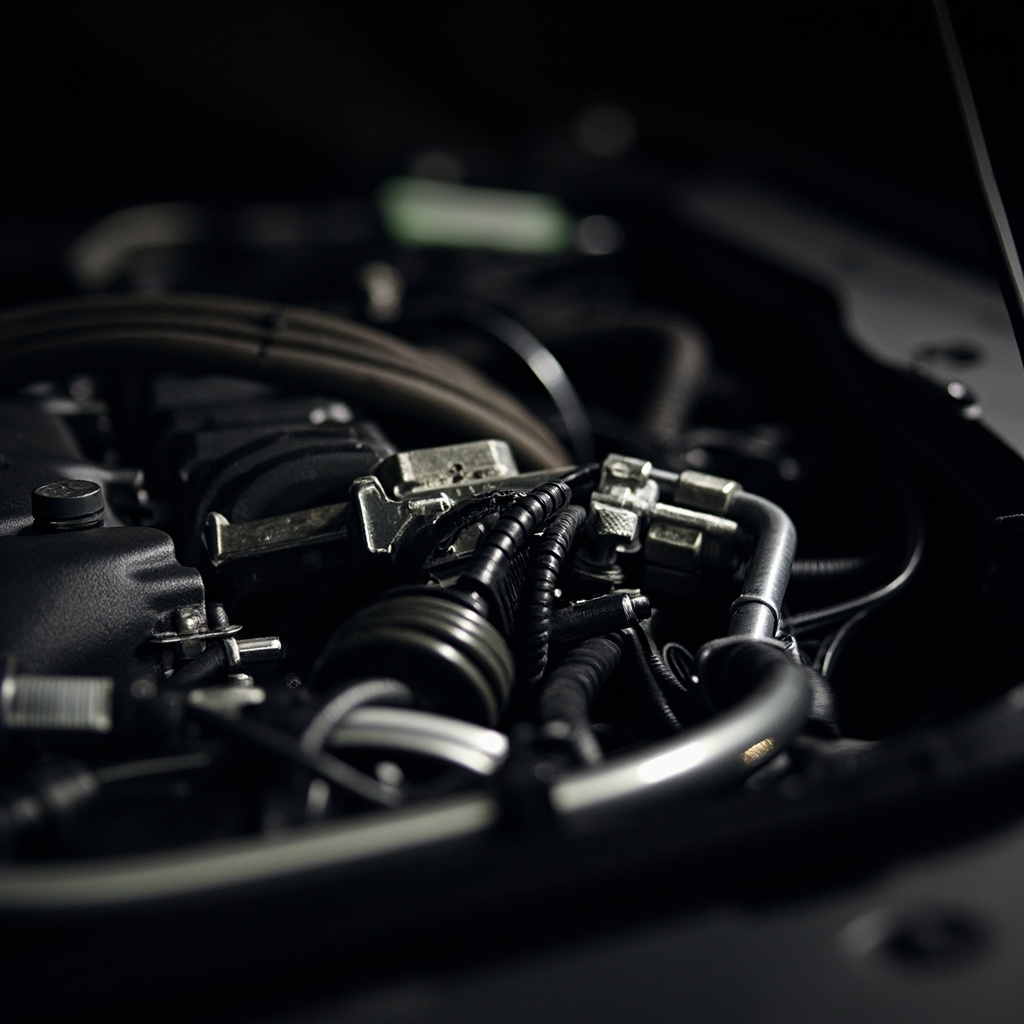
汽车紧固件完整指南:发动机、底盘和车身应用。了解汽车级紧固件、扭矩规格和材料要求。
了解汽车紧固件
汽车紧固件是车辆制造和维修中的关键部件。与通用紧固件不同,汽车紧固件必须满足严格的质量标准、扭矩规格和材料要求。
汽车紧固件类型
汽车紧固件根据应用分为几类:发动机紧固件、底盘紧固件、车身紧固件、传动系统紧固件和电气系统紧固件。
材料和镀层
汽车紧固件必须能够承受振动、温度极端、潮湿和道路盐分及液体的化学暴露等恶劣条件。
扭矩规格和安装
正确的扭矩规格对于汽车紧固件至关重要。扭矩不足可能导致紧固件因振动而松动,而扭矩过大可能导致螺纹损坏。
常见问题
See frequently asked questions below.
Can I substitute a different grade fastener?
Only if the substitute meets or exceeds original specifications. Using lower-grade fasteners for critical applications (engine, suspension, brakes) is dangerous and can cause component failure.
What causes automotive fasteners to loosen?
Vibration is the primary cause, but thermal cycling, improper installation, and thread damage also contribute. Using lock washers or thread-locking compounds helps prevent loosening.
Should I reuse old fasteners?
Replace torque-to-yield (TTF) fasteners like head bolts when specified. For other fasteners, inspect for damage, stretching, or corrosion before reuse. When in doubt, replace.
Why do some fasteners use washers and others don't?
Washers distribute load over a larger area for soft materials, prevent surface damage, and can provide locking function. Always follow manufacturer specifications.
What is the difference between metric and imperial automotive fasteners?
Most modern vehicles use metric fasteners. Some older American vehicles and some heavy-duty applications use imperial (UNC/UNF) threads. Always verify thread pitch before purchasing replacements.
联系TradeGo获取汽车紧固件供应。
询价