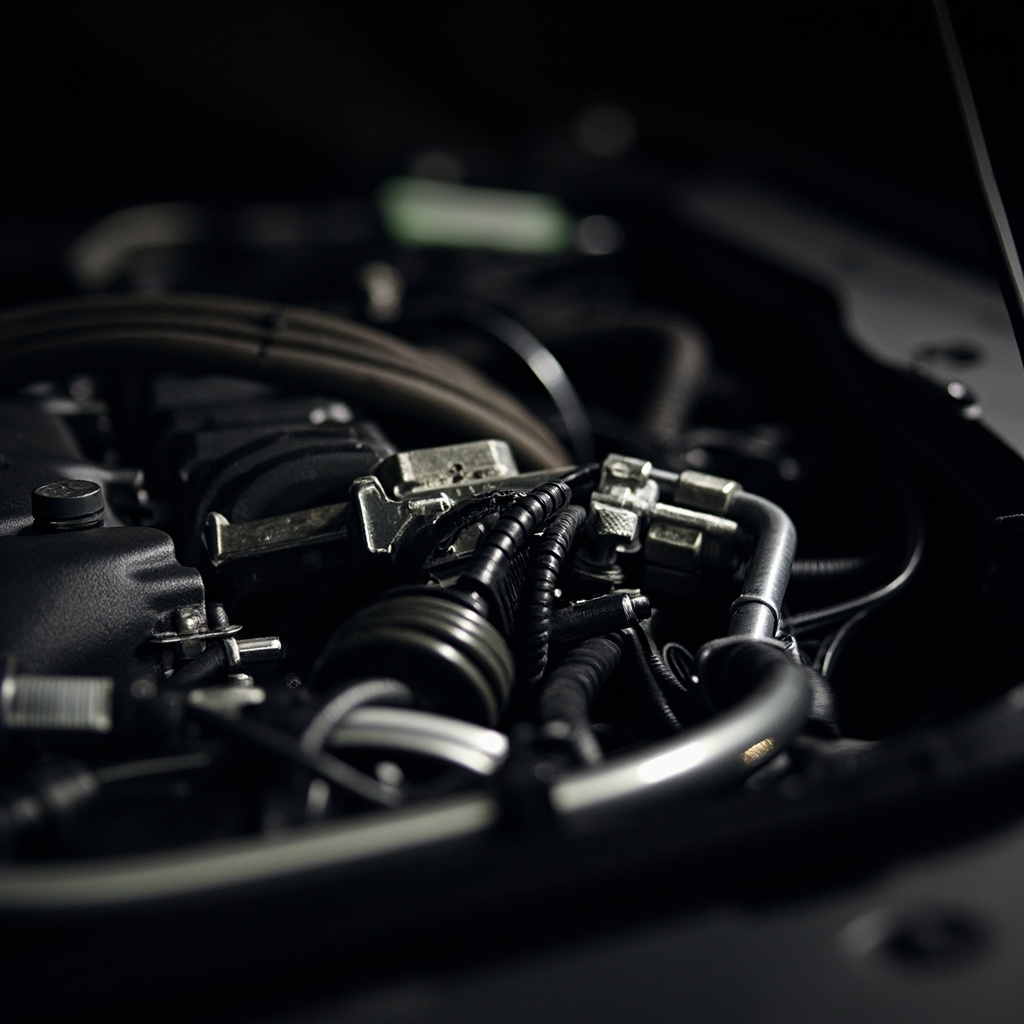
Complete guide to automotive fasteners: engine, chassis, and body applications. Learn about automotive-grade fasteners, torque specifications.
Understanding Automotive Fasteners
Automotive fasteners are critical components in vehicle manufacturing and repair. Unlike general-purpose fasteners, automotive fasteners must meet strict quality standards, torque specifications, and material requirements to ensure vehicle safety and performance. Modern vehicles use thousands of fasteners, from small clips holding interior trim to high-strength bolts securing engine components. Each fastener type serves a specific purpose and must be installed to exact specifications. The automotive industry uses specialized fastener grades and coatings. Common standards include ISO, DIN, and automotive-specific specifications from major manufacturers. Understanding these standards helps ensure correct replacement parts during maintenance and repair. TradeGo supplies automotive-grade fasteners meeting international standards for vehicle manufacturing and aftermarket applications. Related resources: high-tensile bolts anchor bolts stainless steel fasteners hex bolts lock nuts washers self-drilling screws socket screws. This procurement framework applies to fastener sourcing for construction, mining, energy, automotive, and general industrial applications. The decision logic prioritizes quality consistency, supplier reliability, and total cost of ownership over short-term unit price. For B2B buyers in Africa, Latin America, and Southeast Asia, additional considerations include regional customs requirements, container consolidation options, and payment security mechanisms. Standardized specifications that travel across projects reduce training time, RFQ processing time, and supplier onboarding effort. This procurement framework applies to fastener sourcing for construction, mining, energy, automotive, and general industrial applications. The decision logic prioritizes quality consistency, supplier reliability, and total cost of ownership over short-term unit price. For B2B buyers in Africa, Latin America, and Southeast Asia, additional considerations include regional customs requirements, container consolidation options, and payment security mechanisms. Standardized specifications that travel across projects reduce training time, RFQ processing time, and supplier onboarding effort. This procurement framework applies to fastener sourcing for construction, mining, energy, automotive, and general industrial applications. The decision logic prioritizes quality consistency, supplier reliability, and total cost of ownership over short-term unit price. For B2B buyers in Africa, Latin America, and Southeast Asia, additional considerations include regional customs requirements, container consolidation options, and payment security mechanisms. Standardized specifications that travel across projects reduce training time, RFQ processing time, and supplier onboarding effort.
Types of Automotive Fasteners
Automotive fasteners fall into several categories based on their application: Engine Fasteners: High-strength bolts and studs for engine blocks, cylinder heads, and timing covers. These fasteners typically use Grade 8.8 or higher and require specific torque settings measured with a calibrated torque wrench. Chassis Fasteners: Suspension components, steering linkages, and brake system fasteners. Many chassis fasteners are critical safety items requiring regular inspection and replacement if corroded or damaged. Body Fasteners: Door hinges, hood hinges, seat mounting bolts, and trim clips. Body fasteners often use decorative finishes and may be designed for specific aesthetic requirements. Drivetrain Fasteners: Transmission housing bolts, driveshaft U-joint bolts, and differential cover bolts. These fasteners must withstand high vibration and cyclic loading conditions. Electrical System Fasteners: Battery terminal bolts, grounding straps, and connector fasteners. These require good electrical conductivity and corrosion resistance. Standards-based procurement requires continuous learning as ISO, ASTM, DIN, and GB standards are revised every 3-5 years. Subscribe to standards update notifications and review specifications annually. The most common standards used in international fastener trade are ISO 898-1 (mechanical properties), ISO 3506-1 (stainless), ISO 3269 (acceptance inspection), ISO 4042 (coatings), and ISO 1502 (thread gauges). For B2B buyers, building a standards reference library with at least the top 20 standards relevant to your product mix is essential. Standards-based procurement requires continuous learning as ISO, ASTM, DIN, and GB standards are revised every 3-5 years. Subscribe to standards update notifications and review specifications annually. The most common standards used in international fastener trade are ISO 898-1 (mechanical properties), ISO 3506-1 (stainless), ISO 3269 (acceptance inspection), ISO 4042 (coatings), and ISO 1502 (thread gauges). For B2B buyers, building a standards reference library with at least the top 20 standards relevant to your product mix is essential. Standards-based procurement requires continuous learning as ISO, ASTM, DIN, and GB standards are revised every 3-5 years. Subscribe to standards update notifications and review specifications annually. The most common standards used in international fastener trade are ISO 898-1 (mechanical properties), ISO 3506-1 (stainless), ISO 3269 (acceptance inspection), ISO 4042 (coatings), and ISO 1502 (thread gauges). For B2B buyers, building a standards reference library with at least the top 20 standards relevant to your product mix is essential.
Materials and Coatings
Automotive fasteners must withstand harsh conditions including vibration, temperature extremes, moisture, and chemical exposure from road salt and fluids. Common materials include: Carbon Steel: Most common for general-purpose automotive fasteners. Zinc plating or hot-dip galvanizing provides corrosion resistance. Alloy Steel: Used for high-strength applications like engine and transmission bolts. Typically Grade 10.9 or 12.9 with appropriate heat treatment. Stainless Steel: A2 (304) and A4 (316) stainless for corrosion-resistant applications. Essential for body and underhood fasteners. Titanium: Limited use in high-performance applications due to high strength-to-weight ratio. Coatings and finishes for automotive use: Zinc Plating: Standard corrosion protection for interior fasteners. Hot-Dip Galvanizing: Excellent protection for chassis and underbody fasteners. Dacromet: High corrosion resistance with good high-temperature performance. Geomet: Environmentally-friendly coating with excellent corrosion resistance. Black Oxide: Cosmetic finish with minimal corrosion protection. The comparison methodology above uses typical ranges from industry data and TradeGo procurement experience 2018-2024. Actual market prices fluctuate with raw material costs (steel, zinc, nickel), energy costs, labor costs, and currency exchange rates. For accurate comparison, request identical RFQs from 3-5 qualified suppliers and compare landed cost (product + shipping + insurance + duties). The lowest unit price is rarely the lowest total cost of ownership. The comparison methodology above uses typical ranges from industry data and TradeGo procurement experience 2018-2024. Actual market prices fluctuate with raw material costs (steel, zinc, nickel), energy costs, labor costs, and currency exchange rates. For accurate comparison, request identical RFQs from 3-5 qualified suppliers and compare landed cost (product + shipping + insurance + duties). The lowest unit price is rarely the lowest total cost of ownership. The comparison methodology above uses typical ranges from industry data and TradeGo procurement experience 2018-2024. Actual market prices fluctuate with raw material costs (steel, zinc, nickel), energy costs, labor costs, and currency exchange rates. For accurate comparison, request identical RFQs from 3-5 qualified suppliers and compare landed cost (product + shipping + insurance + duties). The lowest unit price is rarely the lowest total cost of ownership.
Torque Specifications and Installation
Correct torque specification is critical for automotive fasteners. Under-tightening can lead to loosening from vibration, while over-tightening can strip threads or cause component damage. Key points for automotive fastener installation: Always use a calibrated torque wrench for critical applications like engine, transmission, and suspension components. Follow manufacturer-specified torque sequences, especially for multi-point fastening like cylinder head bolts. Use thread-locking compounds for fasteners subject to vibration, such as differential cover bolts and driveshaft U-joint bolts. Replace stretch-critical fasteners (like head bolts) with new ones when specified by the manufacturer. Inspect for signs of corrosion or damage before reinstallation. Use appropriate washers as specified - hardening washers for soft materials, flat washers for distribution. For aluminum components, use appropriate thread-lubricant to prevent galling and achieve correct clamp load. Common torque specifications: M6 lug nuts: 90-110 Nm M8 wheel bolts: 120-140 Nm M10 suspension bolts: 70-90 Nm (check specifications) M12 engine main caps: 80-90 Nm plus specified angle The verification checklist applies to both initial supplier qualification and ongoing batch inspection. For high-risk applications (load-bearing structural, pressure vessels, mining, marine), add fatigue testing, salt-spray testing (ASTM B117), torque-tension testing, and post-installation inspection. The cost of additional verification is 0.1-0.3% of order value, while undetected quality failures can be 10-100x the order value in damages. The verification checklist applies to both initial supplier qualification and ongoing batch inspection. For high-risk applications (load-bearing structural, pressure vessels, mining, marine), add fatigue testing, salt-spray testing (ASTM B117), torque-tension testing, and post-installation inspection. The cost of additional verification is 0.1-0.3% of order value, while undetected quality failures can be 10-100x the order value in damages. The verification checklist applies to both initial supplier qualification and ongoing batch inspection. For high-risk applications (load-bearing structural, pressure vessels, mining, marine), add fatigue testing, salt-spray testing (ASTM B117), torque-tension testing, and post-installation inspection. The cost of additional verification is 0.1-0.3% of order value, while undetected quality failures can be 10-100x the order value in damages.
Frequently Asked Questions
See frequently asked questions below.
Related resources: high-tensile bolts anchor bolts stainless steel fasteners hex bolts lock nuts washers self-drilling screws socket screws. Supplier evaluation should be a continuous process, not a one-time exercise. Re-evaluate suppliers annually based on delivery performance, quality metrics, price competitiveness, and responsiveness. Maintain a supplier scorecard with weighted metrics: on-time delivery (25%), quality acceptance rate (30%), price competitiveness (20%), responsiveness (15%), and documentation accuracy (10%). Drop suppliers scoring below 70% over a 6-month period and qualify replacements. Supplier evaluation should be a continuous process, not a one-time exercise. Re-evaluate suppliers annually based on delivery performance, quality metrics, price competitiveness, and responsiveness. Maintain a supplier scorecard with weighted metrics: on-time delivery (25%), quality acceptance rate (30%), price competitiveness (20%), responsiveness (15%), and documentation accuracy (10%). Drop suppliers scoring below 70% over a 6-month period and qualify replacements. Supplier evaluation should be a continuous process, not a one-time exercise. Re-evaluate suppliers annually based on delivery performance, quality metrics, price competitiveness, and responsiveness. Maintain a supplier scorecard with weighted metrics: on-time delivery (25%), quality acceptance rate (30%), price competitiveness (20%), responsiveness (15%), and documentation accuracy (10%). Drop suppliers scoring below 70% over a 6-month period and qualify replacements.Can I substitute a different grade fastener?
Only if the substitute meets or exceeds original specifications. Using lower-grade fasteners for critical applications (engine, suspension, brakes) is dangerous and can cause component failure.
What causes automotive fasteners to loosen?
Vibration is the primary cause, but thermal cycling, improper installation, and thread damage also contribute. Using lock washers or thread-locking compounds helps prevent loosening.
Should I reuse old fasteners?
Replace torque-to-yield (TTF) fasteners like head bolts when specified. For other fasteners, inspect for damage, stretching, or corrosion before reuse. When in doubt, replace.
Why do some fasteners use washers and others don't?
Washers distribute load over a larger area for soft materials, prevent surface damage, and can provide locking function. Always follow manufacturer specifications.
What is the difference between metric and imperial automotive fasteners?
Most modern vehicles use metric fasteners. Some older American vehicles and some heavy-duty applications use imperial (UNC/UNF) threads. Always verify thread pitch before purchasing replacements.
Contact TradeGo for automotive fastener supplies. Email: sales@tradego-fasteners.com
Request Quote