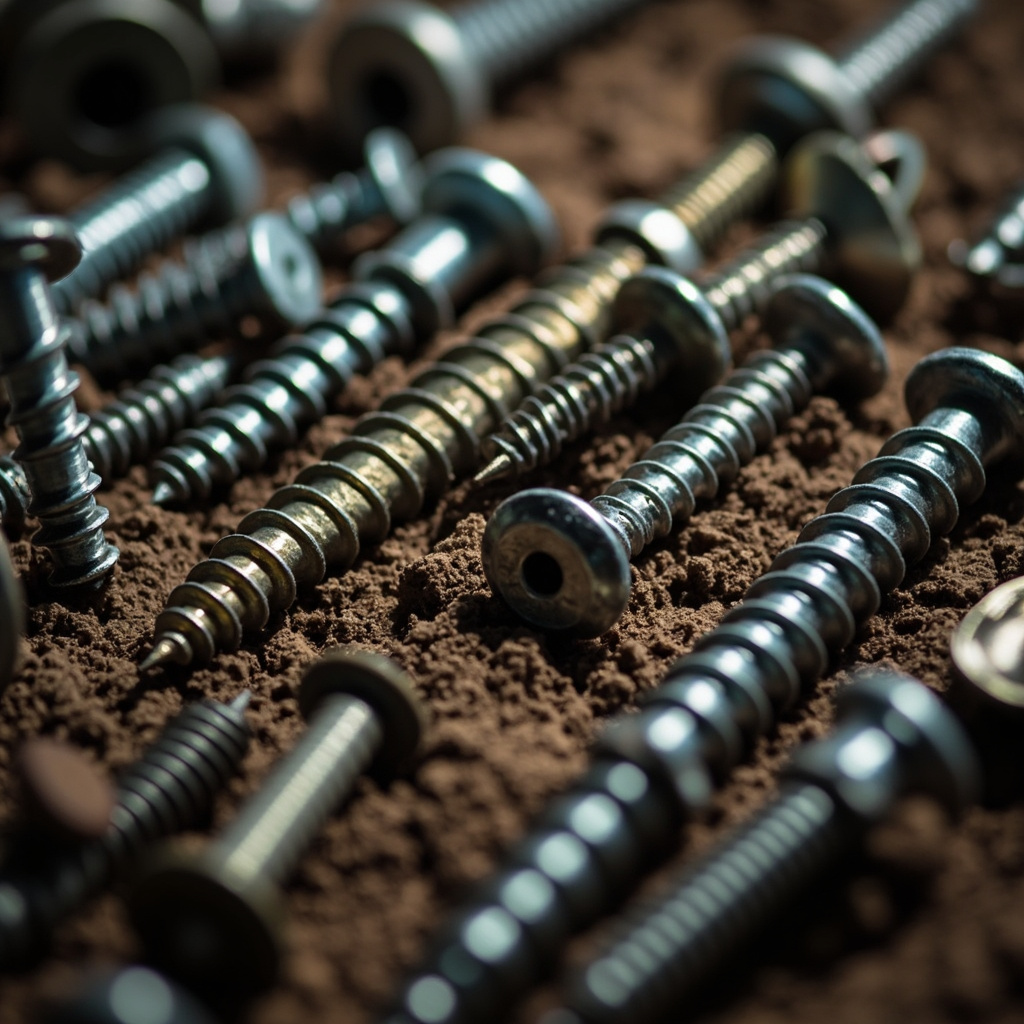
Expert guide to selecting <a href="/products" class="text-primary-600 hover:text-primary-800 underline underline-offset-2"><a href="/products".
Introduction: Fastener Selection for African Construction
Choosing the right fasteners for construction projects in Africa requires understanding local standards, climate conditions, and material requirements. This comprehensive guide helps contractors, architects, and procurement officers select appropriate fasteners for African construction applications. Related resources: high-tensile bolts anchor bolts stainless steel fasteners hex bolts lock nuts washers self-drilling screws socket screws. This procurement framework applies to fastener sourcing for construction, mining, energy, automotive, and general industrial applications. The decision logic prioritizes quality consistency, supplier reliability, and total cost of ownership over short-term unit price. For B2B buyers in Africa, Latin America, and Southeast Asia, additional considerations include regional customs requirements, container consolidation options, and payment security mechanisms. Standardized specifications that travel across projects reduce training time, RFQ processing time, and supplier onboarding effort. This procurement framework applies to fastener sourcing for construction, mining, energy, automotive, and general industrial applications. The decision logic prioritizes quality consistency, supplier reliability, and total cost of ownership over short-term unit price. For B2B buyers in Africa, Latin America, and Southeast Asia, additional considerations include regional customs requirements, container consolidation options, and payment security mechanisms. Standardized specifications that travel across projects reduce training time, RFQ processing time, and supplier onboarding effort.
Understanding African Standards: SABS and DIN
South African Bureau of Standards (SABS) requirements govern fastener specifications in many Southern African Development Community (SADC) countries. Key standards include SABS 1195 for roofing nails and SABS 136 for general construction fasteners. Many African projects also accept DIN (German) and ANSI (American) standards, providing flexibility in sourcing. For roofing applications in South Africa, ensure IBR nails and roofing screws meet SABS 1195 specifications. These standards guarantee minimum pull-out strength, head diameter, and coating thickness requirements essential for structural integrity in high-wind regions. Standards-based procurement requires continuous learning as ISO, ASTM, DIN, and GB standards are revised every 3-5 years. Subscribe to standards update notifications and review specifications annually. The most common standards used in international fastener trade are ISO 898-1 (mechanical properties), ISO 3506-1 (stainless), ISO 3269 (acceptance inspection), ISO 4042 (coatings), and ISO 1502 (thread gauges). For B2B buyers, building a standards reference library with at least the top 20 standards relevant to your product mix is essential. Standards-based procurement requires continuous learning as ISO, ASTM, DIN, and GB standards are revised every 3-5 years. Subscribe to standards update notifications and review specifications annually. The most common standards used in international fastener trade are ISO 898-1 (mechanical properties), ISO 3506-1 (stainless), ISO 3269 (acceptance inspection), ISO 4042 (coatings), and ISO 1502 (thread gauges). For B2B buyers, building a standards reference library with at least the top 20 standards relevant to your product mix is essential.
Climate Considerations: Tropical and Coastal Environments
African construction faces unique climate challenges. Coastal areas in Ghana, Nigeria, Kenya, and Mozambique experience high humidity and salt exposure. Inland regions like Zimbabwe and Zambia have significant temperature variations. For coastal projects within 10km of the ocean, hot-dip galvanized or stainless steel fasteners are strongly recommended. Standard zinc-plated fasteners may fail within 5-7 years in marine environments. The additional cost of corrosion-resistant fasteners prevents costly repairs and project delays. For inland projects, zinc-plated or electro-galvanized fasteners provide adequate protection. However, for structural applications exposed to weather, hot-dip galvanized fasteners offer 20+ year service life. The comparison methodology above uses typical ranges from industry data and TradeGo procurement experience 2018-2024. Actual market prices fluctuate with raw material costs (steel, zinc, nickel), energy costs, labor costs, and currency exchange rates. For accurate comparison, request identical RFQs from 3-5 qualified suppliers and compare landed cost (product + shipping + insurance + duties). The lowest unit price is rarely the lowest total cost of ownership. The comparison methodology above uses typical ranges from industry data and TradeGo procurement experience 2018-2024. Actual market prices fluctuate with raw material costs (steel, zinc, nickel), energy costs, labor costs, and currency exchange rates. For accurate comparison, request identical RFQs from 3-5 qualified suppliers and compare landed cost (product + shipping + insurance + duties). The lowest unit price is rarely the lowest total cost of ownership.
Product Selection by Application
**Roofing (IBR and Corrugated Sheets)**: Use SABS 1195 compliant umbrella head nails (IBR nails) with hot-dip galvanized finish. For steel-to-steel connections, self-drilling screws with EPDM washers ensure waterproof seals. **Structural Steel Connections**: High-tensile Grade 8.8 or 10.9 bolts with matching nuts and washers. Specify hot-dip galvanized finish for outdoor exposure. **Drywall and Interior Partitioning**: Coarse-thread drywall screws for timber studs, fine-thread drywall screws for metal studs. **Timber Construction**: Coach screws (lag screws) for heavy timber connections. Ring shank nails for deck boards. The verification checklist applies to both initial supplier qualification and ongoing batch inspection. For high-risk applications (load-bearing structural, pressure vessels, mining, marine), add fatigue testing, salt-spray testing (ASTM B117), torque-tension testing, and post-installation inspection. The cost of additional verification is 0.1-0.3% of order value, while undetected quality failures can be 10-100x the order value in damages. The verification checklist applies to both initial supplier qualification and ongoing batch inspection. For high-risk applications (load-bearing structural, pressure vessels, mining, marine), add fatigue testing, salt-spray testing (ASTM B117), torque-tension testing, and post-installation inspection. The cost of additional verification is 0.1-0.3% of order value, while undetected quality failures can be 10-100x the order value in damages.
Cost-Effective Procurement Strategies
**Standardization**: Limit fastener types to 4-6 standard specifications per project to reduce inventory costs and ordering complexity. **Bulk Purchasing**: 1-ton minimum orders typically yield 10-15% cost savings. Plan material takeoffs accurately to avoid excess inventory. **Quality Verification**: Request mill certificates and test reports. Third-party inspection (SGS, Bureau Veritas) costs $200-500 but prevents costly failures. **Shipping Optimization**: Sea freight from China to Durban costs $80-150 per cubic meter. Consolidate orders to fill 20ft containers (25-28 cubic meters) for optimal shipping rates. Supplier evaluation should be a continuous process, not a one-time exercise. Re-evaluate suppliers annually based on delivery performance, quality metrics, price competitiveness, and responsiveness. Maintain a supplier scorecard with weighted metrics: on-time delivery (25%), quality acceptance rate (30%), price competitiveness (20%), responsiveness (15%), and documentation accuracy (10%). Drop suppliers scoring below 70% over a 6-month period and qualify replacements. Supplier evaluation should be a continuous process, not a one-time exercise. Re-evaluate suppliers annually based on delivery performance, quality metrics, price competitiveness, and responsiveness. Maintain a supplier scorecard with weighted metrics: on-time delivery (25%), quality acceptance rate (30%), price competitiveness (20%), responsiveness (15%), and documentation accuracy (10%). Drop suppliers scoring below 70% over a 6-month period and qualify replacements.
Common Mistakes to Avoid
**Using Indoor-Rated Fasteners Outdoors**: Zinc-plated fasteners indoors last indefinitely but fail within 2-3 years outdoors in Africa. Always specify hot-dip galvanized or stainless steel for exterior applications. **Under-Specifying Pull-Out Strength**: Roof failures during storms often result from insufficient fastener penetration or wrong screw type. Calculate pull-out requirements based on wind load zones. **Ignoring Compatibility**: Mixing zinc-plated and hot-dip galvanized fasteners causes galvanic corrosion. Use fasteners with matching coating systems. **Overlooking Thread Engagement**: Minimum 19mm (3/4 inch) thread engagement in structural materials required. Specify longer fasteners rather than risking insufficient engagement. For B2B buyers operating in multiple countries, harmonize specifications with regional standards and local customs requirements. Common regional frameworks: SABS (South Africa), KEBS (Kenya), TBS (Tanzania), ZIMRA (Zimbabwe), SON (Nigeria), and AfCFTA standards for pan-Africa trade. Local standards compliance is often mandatory for public infrastructure projects, mining operations, and government tenders. For B2B buyers operating in multiple countries, harmonize specifications with regional standards and local customs requirements. Common regional frameworks: SABS (South Africa), KEBS (Kenya), TBS (Tanzania), ZIMRA (Zimbabwe), SON (Nigeria), and AfCFTA standards for pan-Africa trade. Local standards compliance is often mandatory for public infrastructure projects, mining operations, and government tenders.
Conclusion
Successful fastener selection for African construction projects balances quality requirements, climate considerations, and budget constraints. Prioritize SABS-compliant products for South African projects, specify hot-dip galvanized or stainless steel for coastal regions, and establish reliable supplier relationships for consistent quality and pricing. TradeGo Fasteners manufactures construction fasteners meeting international standards (DIN, ANSI, SABS) with 20+ years of export experience to African markets. Contact our technical team for project-specific recommendations and bulk pricing.
Fastener Selection for African Construction Statistics
Average Fastener Failure Rate (Africa): 12% without proper selection
HDG Coating Lifespan in Coastal Areas: 15-25 years
316 Stainless Steel Premium over HDG: 180-220%
Grade 8.8 Market Share (African Construction): 65% of structural bolts
Proper Storage Extends Fastener Life: Up to 3× longer service life
Sources:
• African Construction Standards Institute, Failure Analysis Report 2024
• ISO 1461 Hot-Dip Galvanized Coating Standard
• South African Bureau of Standards, SANS 10162-1:2019
• World Corrosion Organization, Coastal Environment Guidelines 2024
Frequently Asked Questions
See frequently asked questions below.
Related resources: high-tensile bolts anchor bolts stainless steel fasteners hex bolts lock nuts washers self-drilling screws socket screws.Need help selecting the right fasteners for your African project?
Request a Quote