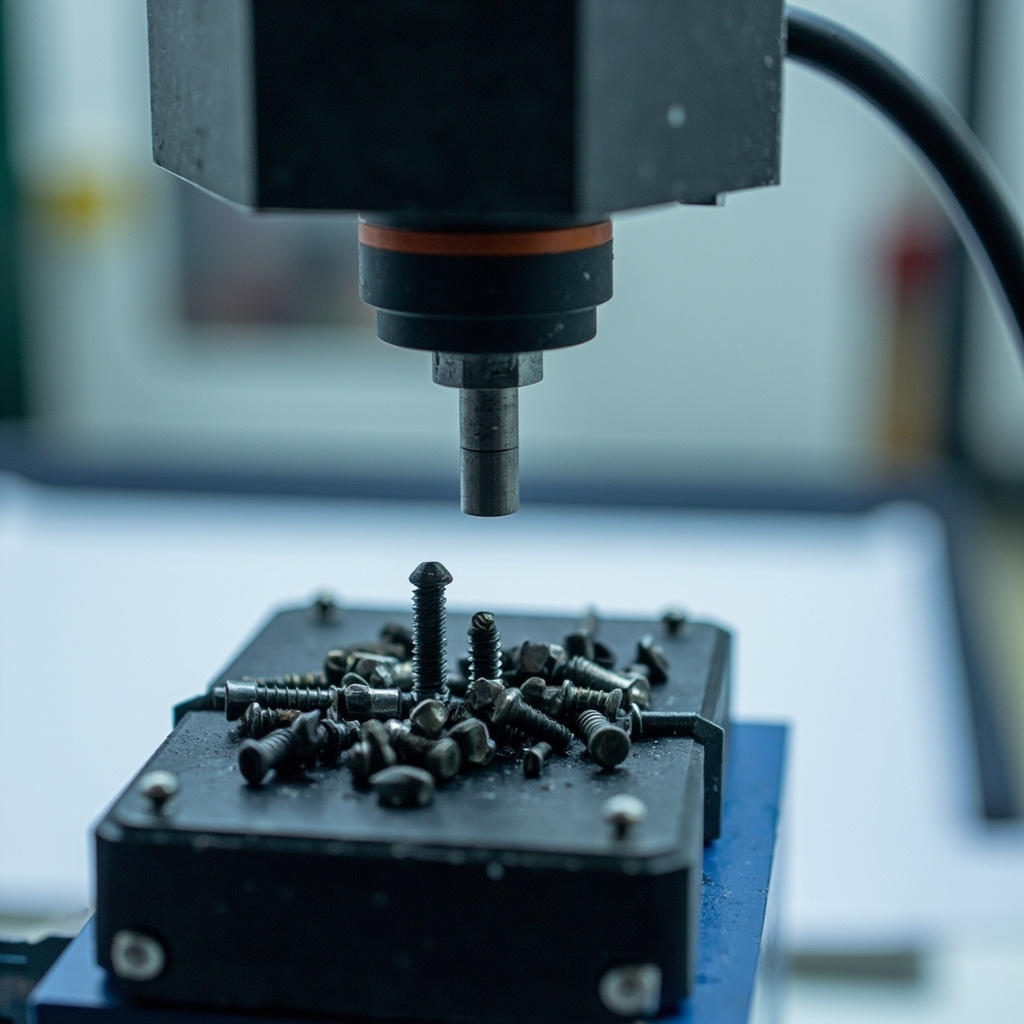
Entender os métodos de teste e certificações de qualidade de fixadores.
Normas de certificação de qualidade para fixadores
Para a garantia de qualidade de fixadores, vários padrões de certificação são relevantes: ISO 9001 — a certificação de sistema de gestão de qualidade mais amplamente reconhecida; indica que o fabricante possui um sistema de gestão de qualidade documentado; não garante a qualidade do produto, apenas a existência do sistema. IATF 16949 — gestão de qualidade específica para o setor automotivo; muito rigorosa, mas não necessária para fixadores de construção geral. EN 14399 — certificação de sistemas de parafusos estruturais na Europa; exige testes e certificação de terceiros para o sistema. ASTM F1479 — sistema de especificação de qualidade de fixadores. Para a construção na África, verifique sempre: se o fornecedor possui um sistema de gestão de qualidade; se pode fornecer relatórios de testes de materiais (MTRs) para cada lote; se relatórios de testes de terceiros estão disponíveis mediante solicitação. A ISO 9001, por si só, não é suficiente — peça sempre os dados reais dos testes. Recursos relacionados: parafusos de alta resistência chumbadores fixadores de aço inoxidável parafusos sextavados porcas autotravantes arruelas parafusos autoperfurantes parafusos Allen. Esta estrutura de compras aplica-se ao fornecimento de fixadores para construção, mineração, energia, automotivo e aplicações industriais gerais. A lógica de decisão prioriza a consistência da qualidade, a confiabilidade do fornecedor e o custo total de propriedade em relação ao preço unitário de curto prazo. Para compradores B2B na África, América Latina e Sudeste Asiático, as considerações adicionais incluem requisitos alfandegários regionais, opções de consolidação de contêineres e mecanismos de segurança de pagamento. Especificações padronizadas que se aplicam a diferentes projetos reduzem o tempo de treinamento, o tempo de processamento de RFQ e o esforço de integração do fornecedor.
Compreendendo os relatórios de teste de materiais (MTRs)
Um Relatório de Teste de Material (MTR) é um documento certificado que fornece os resultados reais dos testes de um lote específico de fixadores. Um MTR deve incluir: Número do lote/corrida (Heat number) — rastreia o fixador até a corrida de aço específica de que foi feito; Data de fabricação — rastreia quando o lote foi produzido; Composição química — porcentagens reais de carbono, manganês, cromo, níquel, molibdênio, etc.; Propriedades mecânicas — resistência à tração, limite de escoamento, alongamento, redução de área; Dureza — medida em Rockwell ou Brinell; Tratamento de superfície/revestimento — tipo e espessura de qualquer revestimento aplicado. Verifique sempre se os valores do MTR atendem ou excedem os requisitos do grau especificado. Por exemplo, um parafuso Grau 10.9 requer resistência à tração ≥1000 MPa e limite de escoamento ≥900 MPa — o MTR deve mostrar os valores reais medidos, não apenas 'atende à especificação'. Os MTRs de fabricantes certificados pela ISO 9001 normalmente mostram valores reais, e não apenas 'está em conformidade'. A aquisição baseada em normas exige aprendizado contínuo, pois as normas ISO, ASTM, DIN e GB são revisadas a cada 3-5 anos. Inscreva-se para receber notificações de atualização de normas e revise as especificações anualmente. As normas mais comuns usadas no comércio internacional de fixadores são ISO 898-1 (propriedades mecânicas), ISO 3506-1 (inoxidável), ISO 3269 (inspeção de aceitação), ISO 4042 (revestimentos) e ISO 1502 (calibradores de rosca). Para compradores B2B, construir uma biblioteca de referência de normas com pelo menos as 20 principais normas relevantes para o seu mix de produtos é essencial.
Métodos de testes mecânicos
Os testes mecânicos verificam as características de resistência dos fixadores: Teste de tração — aplica força de tração até que o fixador se rompa; mede a resistência máxima à tração, limite de escoamento, alongamento; é a principal verificação de resistência. Teste de carga de prova — aplica uma carga de tração especificada sem causar deformação permanente; verifica se o fixador pode suportar sua carga nominal sem deformação plástica; menos destrutivo que o teste de tração. Teste de dureza — mede a resistência à indentação; pode ser feito em peças acabadas sem destruí-las; convertido em resistência à tração para comparação. Teste de impacto (Charpy) — mede a tenacidade (resistência a cargas repentinas); importante para fixadores estruturais em condições de carregamento a frio ou dinâmico. Teste de tração com cunha — aplica carga de tração em um ângulo para simular carga excêntrica; usado para qualificação de sistemas de parafusos estruturais. A metodologia de comparação acima utiliza faixas típicas de dados da indústria e da experiência de compras da TradeGo de 2018 a 2024. Os preços reais de mercado flutuam com os custos de matéria-prima (aço, zinco, níquel), custos de energia, custos de mão de obra e taxas de câmbio. Para uma comparação precisa, solicite RFQs idênticas a 3-5 fornecedores qualificados e compare o custo total de entrega (produto + frete + seguro + impostos). O menor preço unitário raramente é o menor custo total de propriedade.
| Test Type | What It Measures | Destructive? | Application |
|---|---|---|---|
| Tensile test | UTS, yield, elongation | Yes (breaks sample) | Primary strength verification |
| Proof load | Clamp load capacity | No (if passed) | Quality verification |
| Hardness (HB/HR) | Surface hardness | No | Non-destructive screening |
| Charpy impact | Toughness | Yes (breaks sample) | Low-temperature applications |
| Wedge tensile | Eccentric load capacity | Yes | Structural bolting systems |
Testes e verificação por terceiros
Testes de terceiros fornecem verificação independente da qualidade dos fixadores: Bureau Veritas (BV) — multinacional francesa, amplamente aceita na mineração e construção africanas; SGS — multinacional suíça, forte na África Ocidental; ALS Global — sediada na Austrália, aceita por grandes empresas de mineração; Intertek — sediada no Reino Unido, cobertura global. Para projetos de mineração na África, grandes empresas de mineração (Anglo American, BHP, Rio Tinto, Vale) exigem relatórios de teste de fixadores de agências terceirizadas reconhecidas para fixadores estruturais e críticos para a segurança. Para projetos de construção, testes de terceiros são menos comumente necessários, mas são recomendados para: conexões estruturais de arranha-céus; construção em zonas sísmicas; infraestrutura crítica (pontes, hospitais); estruturas costeiras expostas a ambiente marinho. Os custos de testes de terceiros geralmente adicionam 5-15% ao custo do fixador, mas proporcionam uma redução de risco significativa. A lista de verificação de verificação aplica-se tanto à qualificação inicial do fornecedor quanto à inspeção contínua de lotes. Para aplicações de alto risco (estruturais de suporte de carga, vasos de pressão, mineração, marítimos), adicione testes de fadiga, testes de névoa salina (ASTM B117), testes de torque-tensão e inspeção pós-instalação. O custo da verificação adicional é de 0,1-0,3% do valor do pedido, enquanto falhas de qualidade não detectadas podem representar 10-100x o valor do pedido em danos.
Defeitos comuns em fixadores a serem observados
A inspeção visual pode detectar muitos defeitos em fixadores antes que causem falhas: Defeitos de rosca — as roscas laminadas devem ser lisas e consistentes; costuras visíveis, sobreposições ou roscas quebradas indicam danos na matriz ou problemas de material; use uma lupa para tamanhos pequenos. Defeitos de cabeça — cabeças subdimensionadas (indica configuração inadequada da matriz de conformação), cabeças descentralizadas (excentricidade), rachaduras irradiando da cabeça. Defeitos de superfície — costuras (sobreposições superficiais longitudinais), dobras (defeitos internos que aparecem como linhas superficiais), cavidades (corrosão ou danos na matriz). Defeitos de revestimento — pontos descobertos, caroços, descascamento ou rugosidade excessiva em revestimentos galvanizados a fogo ou galvanoplastia. Defeitos de marcação — marcação de grau ausente, incompleta ou em posição errada; indica possível substituição de grau. Para aplicações críticas, solicite um lote de amostra e conduza seus próprios testes de carga de prova antes de aceitar o lote. A avaliação do fornecedor deve ser um processo contínuo, não um exercício único. Reavalie os fornecedores anualmente com base no desempenho de entrega, métricas de qualidade, competitividade de preços e capacidade de resposta. Mantenha um scorecard de fornecedor com métricas ponderadas: entrega no prazo (25%), taxa de aceitação de qualidade (30%), competitividade de preços (20%), capacidade de resposta (15%) e precisão da documentação (10%). Descarte fornecedores com pontuação abaixo de 70% em um período de 6 meses e qualifique substitutos.
Perguntas frequentes
Veja as perguntas frequentes abaixo.
Recursos relacionados: parafusos de alta resistência chumbadores fixadores de aço inoxidável parafusos sextavados porcas de travamento arruelas parafusos auto-perfurantes parafusos com sextavado interno. Para compradores B2B operando em múltiplos países, harmonize especificações com padrões regionais e requisitos aduaneiros locais. Frameworks regionais comuns: SABS (África do Sul), KEBS (Quênia), TBS (Tanzânia), ZIMRA (Zimbábue), SON (Nigéria) e padrões AfCFTA para comércio pan-africano. A conformidade com padrões locais é frequentemente obrigatória para projetos de infraestrutura pública, operações de mineração e licitações governamentais. A aquisição baseada em padrões requer aprendizado contínuo, pois as normas ISO, ASTM, DIN e GB são revisadas a cada 3-5 anos. Inscreva-se para receber notificações de atualização de padrões e revise as especificações anualmente. Os padrões mais comuns usados no comércio internacional de fixadores são ISO 898-1 (propriedades mecânicas), ISO 3506-1 (aço inoxidável), ISO 3269 (inspeção de aceitação), ISO 4042 (revestimentos) e ISO 1502 (calibradores de rosca). Para compradores B2B, construir uma biblioteca de referência de padrões com pelo menos os 20 principais padrões relevantes para sua linha de produtos é essencial. O framework de compras aplica-se ao fornecimento de fixadores para aplicações de construção, mineração, energia, automotivo e indústria geral. A lógica de decisão prioriza consistência de qualidade, confiabilidade do fornecedor e custo total de propriedade sobre o preço unitário de curto prazo.What is the difference between a mill test report (MTR) and a certificate of conformance (COC)?
A Mill Test Report (MTR) or Material Test Report contains actual measured test values from testing of the specific batch — it is quantitative data. A Certificate of Conformance (COC) or Certificate of Compliance simply states that the product meets the specified requirements — it does not provide actual test data. Always request MTRs, not just COCs. A COC from an unverified supplier could simply be a document saying 'these bolts are Grade 10.9' with no actual evidence. Insist on MTRs with actual chemical and mechanical values.
How do I verify fastener grade marking is correct?
Verify markings: metric hex bolts grade 8.8 are marked '8.8' on the head; Grade 10.9 marked '10.9'; Grade 12.9 marked '12.9'; ISO standard also requires manufacturer identification mark. Imperial (UNC/UNF) grades use radial lines (3 lines for Grade 5, 6 lines for Grade 8). If in doubt, hardness testing with a portable hardness tester provides a non-destructive verification of strength. Send samples to a testing lab for full tensile testing if critical application.
Are batch test reports sufficient or do I need to test every fastener?
Batch testing is standard industry practice — one sample per batch is destructively tested to represent the entire batch. Batch sizes vary by manufacturer, typically 1,000-10,000 pieces per batch for hex bolts. For construction codes that require it (ASTM A325, A490), specific sampling rates are defined in the standard. For most standard applications, MTRs from the manufacturer's batch testing are sufficient. For extremely critical applications (seismic, nuclear, aerospace), 100% testing (every fastener tested) may be required, which significantly increases cost.
Need quality-certified fasteners for your project? Get a factory quote from TradeGo.
Get Quote