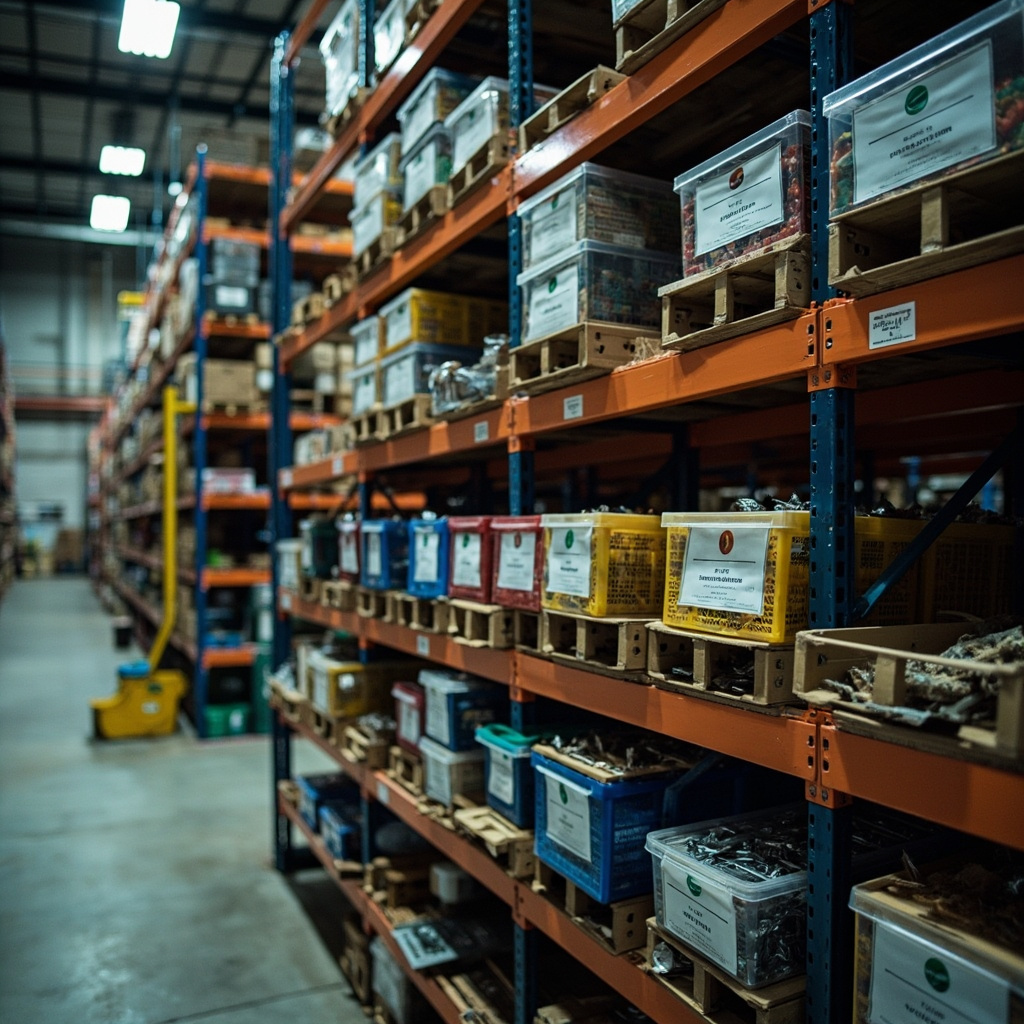
适当的紧固件储存和处理可防止损坏、腐蚀和丢失。
为什么适当的储存很重要
适当的紧固件储存保护您的投资并确保产品以可用状态到达。
仓库储存最佳实践
有效仓库组织:气候控制、架高储存、保持原始包装、按类型分类、先进先出、定期检查、文档记录。
处理程序
正确处理防止损坏:适当举升、不拖地板、保护螺纹、清洁双手、检查工具、正确扭矩、处置损坏库存。
防腐
腐蚀是紧固件降解的主要原因。湿度控制、VCI包装、检查涂层、分离材料、避免积水、定期轮换对于防腐至关重要。
库存管理
有效库存控制防止缺货和积压:设置最低库存、保持库存卡、定期盘点、安全储存、发放控制、供应商关系。
常见问题
See frequently asked questions below.
How long can fasteners be stored?
Properly stored in original packaging in controlled conditions, most fasteners have an indefinite shelf life. Coated fasteners (zinc-plated, galvanized) may show gradual coating degradation over years but remain functional.
What's the best storage for stainless steel?
Store indoors in dry conditions. Stainless steel is corrosion-resistant but not immune to staining in humid or chloride-rich environments. Keep in original packaging until use.
Can I store different fastener types together?
Generally yes, but segregate by material to prevent galvanic concerns and by size to prevent mix-ups. Keep stainless separate from carbon steel.
How do I prevent thread damage during storage?
Keep fasteners in original packaging or use protective caps. Don't over-pack containers causing pressure on threads. Handle precision fasteners with extra care.
What causes white staining on zinc-plated fasteners?
White staining is typically zinc oxide or zinc hydroxide from moisture exposure. It doesn't significantly affect fastener performance. Heavy white buildup may indicate extended moisture exposure.
联系TradeGo获取紧固件供应和储存咨询。
询价