理解紧固件测试方法、质量认证及如何阅读材料测试报告。非洲项目紧固件采购专业人员的必备知识。
紧固件质量认证标准
对于紧固件质量保证领域,有几个关键的认证标准需要重点了解:ISO 9001 — 这是目前最广泛认可的质量管理体系认证标准;该认证表明制造商建立了文件化的质量管理体系并持续运行;但需注意,ISO 9001 认证不直接保证产品质量,仅证明质量管理体系的存在和运行。IATF 16949 — 这是汽车行业专用质量管理体系标准;要求非常严格和详尽,但对于一般建筑用紧固件而言并非必需。EN 14399 — 欧洲地区适用的结构螺栓系统认证标准;该标准要求通过第三方测试和系统认证来确保连接性能。ASTM F1479 — 紧固件质量规范体系。对于非洲建筑市场的采购决策,始终应验证以下要点:供应商是否拥有有效的质量管理体系认证;供应商是否能提供每批次的材料测试报告(MTR);第三方测试报告是否可在需要时提供。仅依靠 ISO 9001 认证本身是不够的——务必始终要求查看实际测试数据作为补充验证。相关产品资源包括高强度螺栓、锚栓、不锈钢紧固件、六角螺栓、锁紧螺母、垫圈、自钻螺钉和内六角螺钉。本采购框架适用于建筑、采矿、能源、汽车和一般工业应用等领域的紧固件采购。核心决策逻辑应优先考虑质量一致性、供应商可靠性以及总拥有成本,而非仅仅追求短期单位价格优势。对于非洲、拉丁美洲和东南亚地区的 B2B 买家,还需要额外关注区域海关要求、集装箱整合运输选项以及支付安全机制等特殊考量因素。跨项目采用标准化的产品规格和技术规范可以有效减少人员培训时间、询价处理时间以及新供应商入职审核工作量,从而显著提升整体采购效率和成本效益。
理解材料试验报告(MTR)
材料试验报告(MTR)是一份认证文件,提供特定批次紧固件的实际测试结果。MTR应包括:炉号/批次号——追溯紧固件所用特定炉批钢材;生产日期——追踪该批次的生产时间;化学成分——碳、锰、铬、镍、钼等的实际百分比;机械性能——抗拉强度、屈服强度、伸长率、断面收缩率;硬度——以Rockwell或Brinell硬度测量;表面处理/涂层——所应用涂层的类型和厚度。务必验证MTR值满足或超过规定的等级要求。例如,10.9级螺栓要求抗拉强度≥1000 MPa,屈服强度≥900 MPa——MTR必须显示实际测量值,而不仅仅是“符合规格”。来自ISO 9001认证制造商的MTR通常显示实际值,而不仅仅是“符合”。基于标准的采购需要持续学习,因为ISO、ASTM、DIN和GB标准每3-5年修订一次。订阅标准更新通知并每年审查规格。国际紧固件贸易中最常用的标准是ISO 898-1(机械性能)、ISO 3506-1(不锈钢)、ISO 3269(验收检验)、ISO 4042(涂层)和ISO 1502(螺纹量规)。对于B2B买家而言,建立包含至少与您的产品组合相关的20个标准的标准参考库至关重要。基于标准的采购需要持续学习,因为ISO、ASTM、DIN和GB标准每3-5年修订一次。订阅标准更新通知并每年审查规格。国际紧固件贸易中最常用的标准是ISO 898-1(机械性能)、ISO 3506-1(不锈钢)、ISO 3269(验收检验)、ISO 4042(涂层)和ISO 1502(螺纹量规)。对于B2B买家而言,建立包含至少与您的产品组合相关的20个标准的标准参考库至关重要。
机械试验方法
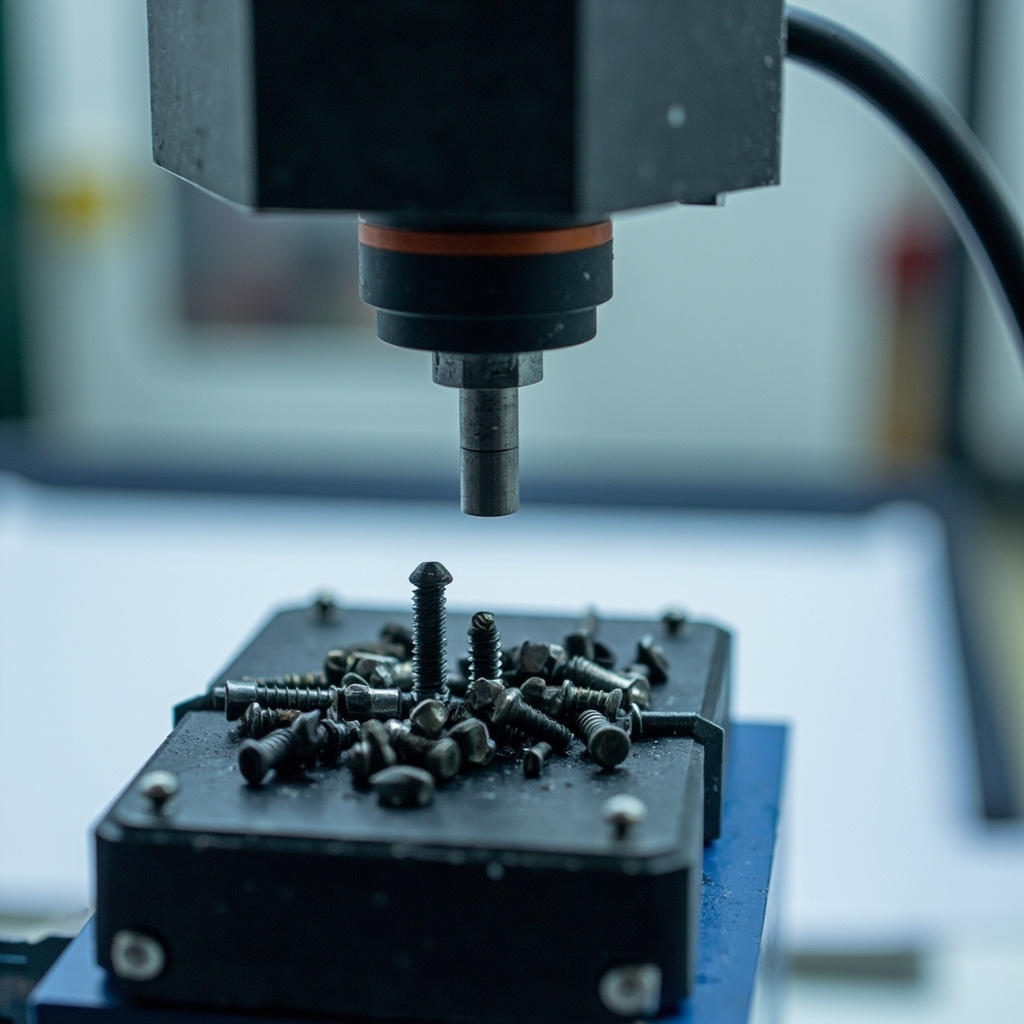
机械试验用于验证紧固件的强度特性:拉伸试验——施加拉力直至紧固件断裂;测量极限抗拉强度、屈服强度、伸长率;是主要的强度验证方法。验证载荷试验——施加指定的拉伸载荷而不产生永久变形;验证紧固件能够在不发生塑性变形的情况下承受其额定载荷;破坏性小于拉伸试验。硬度试验——测量抗压痕能力;可在成品上进行而不破坏;可换算为抗拉强度进行比较。冲击(夏比)试验——测量韧性(抗突然加载能力);对于寒冷或动态加载条件下的结构紧固件至关重要。楔形拉伸试验——以一定角度施加拉伸载荷以模拟偏心加载;用于结构螺栓系统的资格认证。上述比较方法使用的是2018-2024年行业数据和TradeGo采购经验的典型范围。实际市场价格随原材料成本(钢材、锌、镍)、能源成本、人工成本和汇率波动。要进行准确比较,请向3-5家合格供应商请求相同的询价,并比较到岸成本(产品+运费+保险+关税)。最低单价很少是最低的总拥有成本。上述比较方法使用的是2018-2024年行业数据和TradeGo采购经验的典型范围。实际市场价格随原材料成本(钢材、锌、镍)、能源成本、人工成本和汇率波动。要进行准确比较,请向3-5家合格供应商请求相同的询价,并比较到岸成本(产品+运费+保险+关税)。最低单价很少是最低的总拥有成本。
| Test Type | What It Measures | Destructive? | Application |
|---|---|---|---|
| Tensile test | UTS, yield, elongation | Yes (breaks sample) | Primary strength verification |
| Proof load | Clamp load capacity | No (if passed) | Quality verification |
| Hardness (HB/HR) | Surface hardness | No | Non-destructive screening |
| Charpy impact | Toughness | Yes (breaks sample) | Low-temperature applications |
| Wedge tensile | Eccentric load capacity | Yes | Structural bolting systems |
第三方检测与验证
第三方检测提供紧固件质量的独立验证:必维国际检验集团(BV)— 法国跨国公司,在非洲采矿和建筑行业被广泛接受;SGS — 瑞士跨国公司,在西非地区实力强劲;ALS Global — 总部位于澳大利亚,被主要矿业公司认可;Intertek — 总部位于英国,业务覆盖全球。对于非洲采矿项目,Anglo American、BHP、Rio Tinto、Vale等主要矿业公司要求结构性及安全关键紧固件提供认可的第三方机构出具的检测报告。对于建筑项目,第三方检测通常不是强制要求,但建议用于以下情况:超高层建筑结构连接;地震带建设;关键基础设施(桥梁、医院);暴露于海洋环境的沿海结构。第三方检测费用通常使紧固件成本增加5-15%,但可显著降低风险。验证清单适用于初始供应商资质认证和持续批次检验。对于高风险应用(承重结构、压力容器、采矿、海洋),需增加疲劳测试、盐雾测试(ASTM B117)、扭矩-张力测试以及安装后检验。额外验证的成本为订单价值的0.1-0.3%,而未检测出的质量故障造成的损害赔偿可达订单价值的10-100倍。
常见紧固件缺陷及其注意事项
目视检查可以在许多紧固件缺陷导致故障之前将其发现:螺纹缺陷 — 滚压螺纹应光滑且一致;可见的缝隙、折叠或断牙表示模具损坏或材料问题;对于小尺寸产品,请使用放大镜。\n头部缺陷 — 头部尺寸过小(表示锻头模具设置不当)、头部偏离中心(偏心率)以及从头部辐射的裂纹。\n表面缺陷 — 缝隙(纵向表面折叠)、折叠(表现为表面线条的内部缺陷)、凹坑(腐蚀或模具损坏)。\n涂层缺陷 — 电镀或热浸镀锌涂层中的裸斑、凸起、剥落或过度粗糙。\n标记缺陷 — 等级标记缺失、不完整或位置错误;表示可能存在等级替代。\n对于关键应用,在接受批次之前,请要求提供样品批次并进行您自己的验证载荷测试。\n供应商评估应是一个持续过程,而非一次性活动。根据交付表现、质量指标、价格竞争力和响应能力每年重新评估供应商。维护一个包含加权指标的供应商记分卡:准时交付率(25%)、质量验收率(30%)、价格竞争力(20%)、响应能力(15%)和文档准确性(10%)。淘汰在6个月期间得分低于70%的供应商,并寻找合格的替代供应商。\n供应商评估应是一个持续过程,而非一次性活动。根据交付表现、质量指标、价格竞争力和响应能力每年重新评估供应商。维护一个包含加权指标的供应商记分卡:准时交付率(25%)、质量验收率(30%)、价格竞争力(20%)、响应能力(15%)和文档准确性(10%)。淘汰在6个月期间得分低于70%的供应商,并寻找合格的替代供应商。
Frequently Asked Questions
See frequently asked questions below.
What is the difference between a mill test report (MTR) and a certificate of conformance (COC)?
A Mill Test Report (MTR) or Material Test Report contains actual measured test values from testing of the specific batch — it is quantitative data. A Certificate of Conformance (COC) or Certificate of Compliance simply states that the product meets the specified requirements — it does not provide actual test data. Always request MTRs, not just COCs. A COC from an unverified supplier could simply be a document saying 'these bolts are Grade 10.9' with no actual evidence. Insist on MTRs with actual chemical and mechanical values.
How do I verify fastener grade marking is correct?
Verify markings: metric hex bolts grade 8.8 are marked '8.8' on the head; Grade 10.9 marked '10.9'; Grade 12.9 marked '12.9'; ISO standard also requires manufacturer identification mark. Imperial (UNC/UNF) grades use radial lines (3 lines for Grade 5, 6 lines for Grade 8). If in doubt, hardness testing with a portable hardness tester provides a non-destructive verification of strength. Send samples to a testing lab for full tensile testing if critical application.
Are batch test reports sufficient or do I need to test every fastener?
Batch testing is standard industry practice — one sample per batch is destructively tested to represent the entire batch. Batch sizes vary by manufacturer, typically 1,000-10,000 pieces per batch for hex bolts. For construction codes that require it (ASTM A325, A490), specific sampling rates are defined in the standard. For most standard applications, MTRs from the manufacturer's batch testing are sufficient. For extremely critical applications (seismic, nuclear, aerospace), 100% testing (every fastener tested) may be required, which significantly increases cost.
需要质量认证紧固件?从TradeGo获取工厂报价。
获取报价