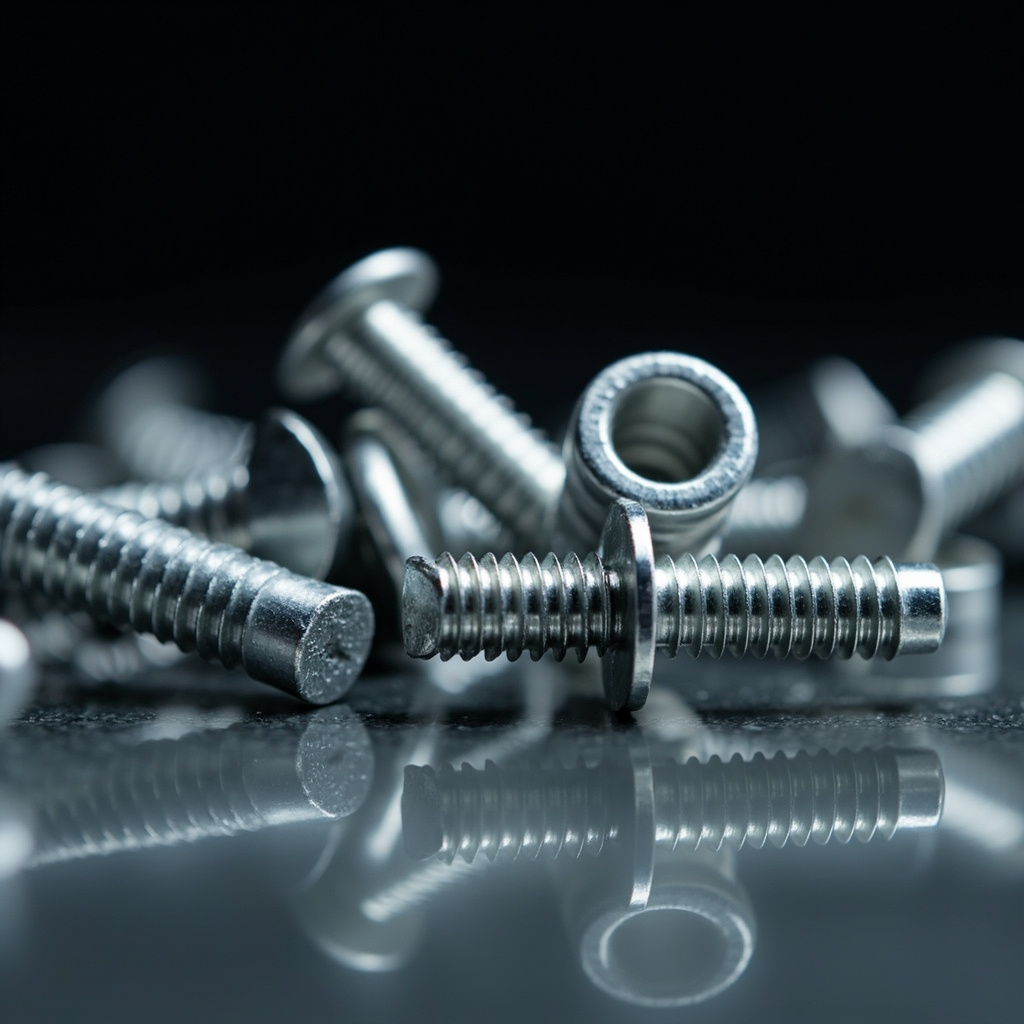
Guide to selecting stainless steel <a href="/products" class="text-primary-600 hover:text-primary-800 underline underline-offset-2"><a href="/products".
Why Use Stainless Steel Fasteners in Africa?
Stainless steel fasteners offer superior corrosion resistance essential for African applications: 1. Coastal Environments: Salt air in coastal cities (Durban, Lagos, Mombasa, Dar es Salaam) rapidly corrodes carbon steel. 316 stainless steel is essential. 2. Humid Tropical Climate: High humidity in Central African regions accelerates corrosion. 304 stainless is minimum recommendation. 3. Chemical Exposure: Agricultural facilities and mining operations expose fasteners to corrosive substances. 4. Longevity Requirements: Infrastructure projects require fasteners that last decades without replacement. 5. Aesthetic Requirements: Visible fastener installations in architectural projects need corrosion-free appearance. TradeGo offers both 304 and 316 stainless steel fasteners with competitive pricing for African markets. Related resources: high-tensile bolts anchor bolts stainless steel fasteners hex bolts lock nuts washers self-drilling screws socket screws. This procurement framework applies to fastener sourcing for construction, mining, energy, automotive, and general industrial applications. The decision logic prioritizes quality consistency, supplier reliability, and total cost of ownership over short-term unit price. For B2B buyers in Africa, Latin America, and Southeast Asia, additional considerations include regional customs requirements, container consolidation options, and payment security mechanisms. Standardized specifications that travel across projects reduce training time, RFQ processing time, and supplier onboarding effort. This procurement framework applies to fastener sourcing for construction, mining, energy, automotive, and general industrial applications. The decision logic prioritizes quality consistency, supplier reliability, and total cost of ownership over short-term unit price. For B2B buyers in Africa, Latin America, and Southeast Asia, additional considerations include regional customs requirements, container consolidation options, and payment security mechanisms. Standardized specifications that travel across projects reduce training time, RFQ processing time, and supplier onboarding effort. This procurement framework applies to fastener sourcing for construction, mining, energy, automotive, and general industrial applications. The decision logic prioritizes quality consistency, supplier reliability, and total cost of ownership over short-term unit price. For B2B buyers in Africa, Latin America, and Southeast Asia, additional considerations include regional customs requirements, container consolidation options, and payment security mechanisms. Standardized specifications that travel across projects reduce training time, RFQ processing time, and supplier onboarding effort.
304 vs 316 Stainless Steel: Which to Choose?
Understanding the difference helps buyers select correctly: 304 Stainless Steel: - Composition: 18% chromium, 8% nickel - Corrosion resistance: Good for most indoor and outdoor applications - Temperature range: -185°C to 870°C - Cost: 20-30% less than 316 - Applications: General construction, roofing, interior applications 316 Stainless Steel: - Composition: 16% chromium, 10% nickel, 2% molybdenum - Corrosion resistance: Excellent, especially in chloride environments - Temperature range: -185°C to 800°C - Molybdenum addition: Resists pitting from saltwater - Applications: Coastal, marine, chemical, healthcare facilities For African coastal and humid tropical applications, 316 is strongly recommended. Standards-based procurement requires continuous learning as ISO, ASTM, DIN, and GB standards are revised every 3-5 years. Subscribe to standards update notifications and review specifications annually. The most common standards used in international fastener trade are ISO 898-1 (mechanical properties), ISO 3506-1 (stainless), ISO 3269 (acceptance inspection), ISO 4042 (coatings), and ISO 1502 (thread gauges). For B2B buyers, building a standards reference library with at least the top 20 standards relevant to your product mix is essential. Standards-based procurement requires continuous learning as ISO, ASTM, DIN, and GB standards are revised every 3-5 years. Subscribe to standards update notifications and review specifications annually. The most common standards used in international fastener trade are ISO 898-1 (mechanical properties), ISO 3506-1 (stainless), ISO 3269 (acceptance inspection), ISO 4042 (coatings), and ISO 1502 (thread gauges). For B2B buyers, building a standards reference library with at least the top 20 standards relevant to your product mix is essential. Standards-based procurement requires continuous learning as ISO, ASTM, DIN, and GB standards are revised every 3-5 years. Subscribe to standards update notifications and review specifications annually. The most common standards used in international fastener trade are ISO 898-1 (mechanical properties), ISO 3506-1 (stainless), ISO 3269 (acceptance inspection), ISO 4042 (coatings), and ISO 1502 (thread gauges). For B2B buyers, building a standards reference library with at least the top 20 standards relevant to your product mix is essential.
| Application | Environment | Recommended Grade |
|---|---|---|
| Indoor construction | Air conditioned | 304 |
| Outdoor general | Urban, low humidity | 304 |
| Coastal building | Salt air, high humidity | 316 |
| Marine application | Direct seawater spray | 316 |
| Swimming pools | Chlorinated water | 316 |
| Chemical facilities | Acids, chemicals | 316 |
| Water treatment | Freshwater | 304 |
Stainless Steel Fastener Product Range
TradeGo stocks comprehensive stainless steel fastener range: Bolts: Hex bolts DIN 933, carriage bolts DIN 603, eye bolts Nuts: Hex nuts DIN 934, flange nuts DIN 6923, lock nuts Screws: Machine screws, self-tapping screws, deck screws Washers: Flat washers DIN 125, spring washers DIN 127, lock washers Threaded Rod: Full thread and partial thread rods Sizes: M5 to M36 metric, #10 to 1" imperial Grades: A2-70 (304), A4-70 (316), A4-80 (high strength 316) Custom packaging available for retail distribution. The comparison methodology above uses typical ranges from industry data and TradeGo procurement experience 2018-2024. Actual market prices fluctuate with raw material costs (steel, zinc, nickel), energy costs, labor costs, and currency exchange rates. For accurate comparison, request identical RFQs from 3-5 qualified suppliers and compare landed cost (product + shipping + insurance + duties). The lowest unit price is rarely the lowest total cost of ownership. The comparison methodology above uses typical ranges from industry data and TradeGo procurement experience 2018-2024. Actual market prices fluctuate with raw material costs (steel, zinc, nickel), energy costs, labor costs, and currency exchange rates. For accurate comparison, request identical RFQs from 3-5 qualified suppliers and compare landed cost (product + shipping + insurance + duties). The lowest unit price is rarely the lowest total cost of ownership. The comparison methodology above uses typical ranges from industry data and TradeGo procurement experience 2018-2024. Actual market prices fluctuate with raw material costs (steel, zinc, nickel), energy costs, labor costs, and currency exchange rates. For accurate comparison, request identical RFQs from 3-5 qualified suppliers and compare landed cost (product + shipping + insurance + duties). The lowest unit price is rarely the lowest total cost of ownership.
Stainless Steel Fastener Pricing
FOB Shanghai prices for stainless steel fasteners: 304 Stainless Steel: - Hex bolts M10-M16: $5.50-7.50/kg - Hex nuts M10-M16: $5.00-6.50/kg - Washers M10-M16: $4.50-6.00/kg 316 Stainless Steel: - Hex bolts M10-M16: $7.50-10.00/kg - Hex nuts M10-M16: $6.50-8.50/kg - Washers M10-M16: $6.00-8.00/kg Prices 30-40% lower than European suppliers. Minimum order: 100kg per line item. Container quantities (500kg+) qualify for volume discounts. The verification checklist applies to both initial supplier qualification and ongoing batch inspection. For high-risk applications (load-bearing structural, pressure vessels, mining, marine), add fatigue testing, salt-spray testing (ASTM B117), torque-tension testing, and post-installation inspection. The cost of additional verification is 0.1-0.3% of order value, while undetected quality failures can be 10-100x the order value in damages. The verification checklist applies to both initial supplier qualification and ongoing batch inspection. For high-risk applications (load-bearing structural, pressure vessels, mining, marine), add fatigue testing, salt-spray testing (ASTM B117), torque-tension testing, and post-installation inspection. The cost of additional verification is 0.1-0.3% of order value, while undetected quality failures can be 10-100x the order value in damages. The verification checklist applies to both initial supplier qualification and ongoing batch inspection. For high-risk applications (load-bearing structural, pressure vessels, mining, marine), add fatigue testing, salt-spray testing (ASTM B117), torque-tension testing, and post-installation inspection. The cost of additional verification is 0.1-0.3% of order value, while undetected quality failures can be 10-100x the order value in damages.
Frequently Asked Questions
See frequently asked questions below.
Related resources: high-tensile bolts anchor bolts stainless steel fasteners hex bolts lock nuts washers self-drilling screws socket screws. Supplier evaluation should be a continuous process, not a one-time exercise. Re-evaluate suppliers annually based on delivery performance, quality metrics, price competitiveness, and responsiveness. Maintain a supplier scorecard with weighted metrics: on-time delivery (25%), quality acceptance rate (30%), price competitiveness (20%), responsiveness (15%), and documentation accuracy (10%). Drop suppliers scoring below 70% over a 6-month period and qualify replacements. Supplier evaluation should be a continuous process, not a one-time exercise. Re-evaluate suppliers annually based on delivery performance, quality metrics, price competitiveness, and responsiveness. Maintain a supplier scorecard with weighted metrics: on-time delivery (25%), quality acceptance rate (30%), price competitiveness (20%), responsiveness (15%), and documentation accuracy (10%). Drop suppliers scoring below 70% over a 6-month period and qualify replacements. Supplier evaluation should be a continuous process, not a one-time exercise. Re-evaluate suppliers annually based on delivery performance, quality metrics, price competitiveness, and responsiveness. Maintain a supplier scorecard with weighted metrics: on-time delivery (25%), quality acceptance rate (30%), price competitiveness (20%), responsiveness (15%), and documentation accuracy (10%). Drop suppliers scoring below 70% over a 6-month period and qualify replacements.Request Stainless Fastener Quote
Request Quote