Select high strength <a href="/products#bolts-nuts" class="text-primary-600 hover:text-primary-800 underline underline-offset-2">bolts</a> and matching <a.
Fastener Requirements for Wind Turbine Installations
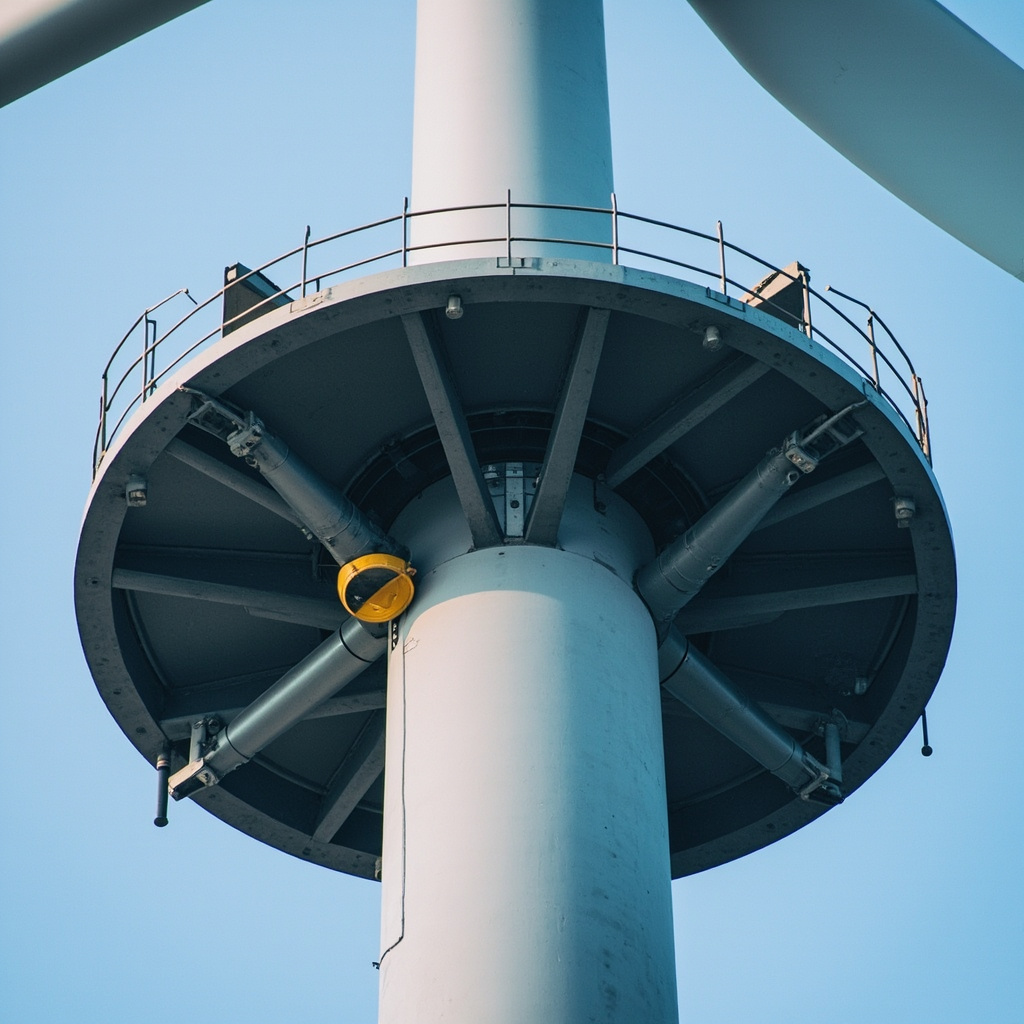
Wind turbine equipment fasteners must endure extreme conditions: vibration from blade rotation, thermal cycling from day-night operation, and high cyclic stresses at tower joints, nacelle mounts, and blade root connections. The industry standard for structural connections is Grade 10.9 or 10.9 HDG for main structural joints, with Grade 8.8 HDG used for secondary connections. All wind power fasteners require documentation of lot traceability, material certifications (mill test reports), and often third-party inspection (SGS, Bureau Veritas) for utility-scale projects. Tower flange connections use extra-large hex bolts (M36-M48) in 10.9 grade with hot-dip galvanizing. Blade root connections use high-strength bolts specified by the turbine OEM—typically proprietary specifications requiring exact OEM parts or approved equivalents. Related resources: high-tensile bolts anchor bolts stainless steel fasteners hex bolts lock nuts washers self-drilling screws socket screws. This procurement framework applies to fastener sourcing for construction, mining, energy, automotive, and general industrial applications. The decision logic prioritizes quality consistency, supplier reliability, and total cost of ownership over short-term unit price. For B2B buyers in Africa, Latin America, and Southeast Asia, additional considerations include regional customs requirements, container consolidation options, and payment security mechanisms. Standardized specifications that travel across projects reduce training time, RFQ processing time, and supplier onboarding effort. This procurement framework applies to fastener sourcing for construction, mining, energy, automotive, and general industrial applications. The decision logic prioritizes quality consistency, supplier reliability, and total cost of ownership over short-term unit price. For B2B buyers in Africa, Latin America, and Southeast Asia, additional considerations include regional customs requirements, container consolidation options, and payment security mechanisms. Standardized specifications that travel across projects reduce training time, RFQ processing time, and supplier onboarding effort. This procurement framework applies to fastener sourcing for construction, mining, energy, automotive, and general industrial applications. The decision logic prioritizes quality consistency, supplier reliability, and total cost of ownership over short-term unit price. For B2B buyers in Africa, Latin America, and Southeast Asia, additional considerations include regional customs requirements, container consolidation options, and payment security mechanisms. Standardized specifications that travel across projects reduce training time, RFQ processing time, and supplier onboarding effort.
High Strength Bolts for Machinery and Industrial Equipment
Industrial machinery equipment requires high strength bolts that can handle dynamic loads, thermal expansion, and vibration. Key applications include: motor mounts, pump bases, gear box connections, conveyor frame assemblies, and press equipment. Grade 8.8 is the minimum for most machinery connections, with Grade 10.9 preferred for critical joints. For equipment experiencing significant vibration (compressors, pumps, fans), specify Grade 10.9 with Belleville spring washers or twin single spring washers to prevent loosening. Grade 12.9 socket head cap screws are used in confined-space high-load connections such as hydraulic manifold blocks and precision machinery fixtures. All machinery bolts should be installed with calibrated torque tools and documented torque records for maintenance compliance. Standards-based procurement requires continuous learning as ISO, ASTM, DIN, and GB standards are revised every 3-5 years. Subscribe to standards update notifications and review specifications annually. The most common standards used in international fastener trade are ISO 898-1 (mechanical properties), ISO 3506-1 (stainless), ISO 3269 (acceptance inspection), ISO 4042 (coatings), and ISO 1502 (thread gauges). For B2B buyers, building a standards reference library with at least the top 20 standards relevant to your product mix is essential. Standards-based procurement requires continuous learning as ISO, ASTM, DIN, and GB standards are revised every 3-5 years. Subscribe to standards update notifications and review specifications annually. The most common standards used in international fastener trade are ISO 898-1 (mechanical properties), ISO 3506-1 (stainless), ISO 3269 (acceptance inspection), ISO 4042 (coatings), and ISO 1502 (thread gauges). For B2B buyers, building a standards reference library with at least the top 20 standards relevant to your product mix is essential. Standards-based procurement requires continuous learning as ISO, ASTM, DIN, and GB standards are revised every 3-5 years. Subscribe to standards update notifications and review specifications annually. The most common standards used in international fastener trade are ISO 898-1 (mechanical properties), ISO 3506-1 (stainless), ISO 3269 (acceptance inspection), ISO 4042 (coatings), and ISO 1502 (thread gauges). For B2B buyers, building a standards reference library with at least the top 20 standards relevant to your product mix is essential.
Matching Nuts for Wind Power and Machinery Bolts
The matching nut must complement the bolt for reliable structural performance. For Grade 10.9 bolts in wind power applications, specify Grade 10 heavy hex nuts (DIN 6925 / EN 14399) for main flange connections—these provide increased bearing area compared to standard hex nuts. For machinery equipment, Grade 8.8 bolts pair with Grade 8 hex nuts, and Grade 10.9 bolts with Grade 10 nuts. Never use a nut of lower strength class than the bolt. For high-vibration environments like wind turbine towers, specify self-locking nuts (nylon insert DIN 985 or all-metal prevailing torque) to prevent loosening from sustained vibration. For offshore wind platforms, use 316 stainless nuts with HDG bolts or specify duplex stainless nuts throughout. The comparison methodology above uses typical ranges from industry data and TradeGo procurement experience 2018-2024. Actual market prices fluctuate with raw material costs (steel, zinc, nickel), energy costs, labor costs, and currency exchange rates. For accurate comparison, request identical RFQs from 3-5 qualified suppliers and compare landed cost (product + shipping + insurance + duties). The lowest unit price is rarely the lowest total cost of ownership. The comparison methodology above uses typical ranges from industry data and TradeGo procurement experience 2018-2024. Actual market prices fluctuate with raw material costs (steel, zinc, nickel), energy costs, labor costs, and currency exchange rates. For accurate comparison, request identical RFQs from 3-5 qualified suppliers and compare landed cost (product + shipping + insurance + duties). The lowest unit price is rarely the lowest total cost of ownership. The comparison methodology above uses typical ranges from industry data and TradeGo procurement experience 2018-2024. Actual market prices fluctuate with raw material costs (steel, zinc, nickel), energy costs, labor costs, and currency exchange rates. For accurate comparison, request identical RFQs from 3-5 qualified suppliers and compare landed cost (product + shipping + insurance + duties). The lowest unit price is rarely the lowest total cost of ownership.
Bolt and Nut Selection for Energy Equipment
Content coming soon.
The verification checklist applies to both initial supplier qualification and ongoing batch inspection. For high-risk applications (load-bearing structural, pressure vessels, mining, marine), add fatigue testing, salt-spray testing (ASTM B117), torque-tension testing, and post-installation inspection. The cost of additional verification is 0.1-0.3% of order value, while undetected quality failures can be 10-100x the order value in damages. The verification checklist applies to both initial supplier qualification and ongoing batch inspection. For high-risk applications (load-bearing structural, pressure vessels, mining, marine), add fatigue testing, salt-spray testing (ASTM B117), torque-tension testing, and post-installation inspection. The cost of additional verification is 0.1-0.3% of order value, while undetected quality failures can be 10-100x the order value in damages. The verification checklist applies to both initial supplier qualification and ongoing batch inspection. For high-risk applications (load-bearing structural, pressure vessels, mining, marine), add fatigue testing, salt-spray testing (ASTM B117), torque-tension testing, and post-installation inspection. The cost of additional verification is 0.1-0.3% of order value, while undetected quality failures can be 10-100x the order value in damages.| Application | Bolt Grade | Nut Grade | Coating | Notes |
|---|---|---|---|---|
| Wind Turbine Tower Flange | 10.9 | 10.9 Heavy Hex | HDG | M36-M48, lot traceability required |
| Wind Turbine Nacelle Mount | 10.9 | 10 | HDG | Per OEM spec, documented torque |
| Wind Turbine Blade Root | 10.9 or OEM spec | OEM specified | HDG or SS | Approved equivalent only |
| Industrial Motor Mount | 8.8 | 8 | Zinc Plated | With Belleville washers for vibration |
| Pump/Compressor Base | 10.9 | 10 | HDG | Anchor bolts, chock anchoring |
| Conveyor Frame Assembly | 8.8 | 8 | HDG or ZP | Grade 8.8 minimum |
| Gear Box Connection | 10.9 | 10 | Zinc Plated | Precision torque, shim if needed |
Frequently Asked Questions
See frequently asked questions below.
Related resources: high-tensile bolts anchor bolts stainless steel fasteners hex bolts lock nuts washers self-drilling screws socket screws. Supplier evaluation should be a continuous process, not a one-time exercise. Re-evaluate suppliers annually based on delivery performance, quality metrics, price competitiveness, and responsiveness. Maintain a supplier scorecard with weighted metrics: on-time delivery (25%), quality acceptance rate (30%), price competitiveness (20%), responsiveness (15%), and documentation accuracy (10%). Drop suppliers scoring below 70% over a 6-month period and qualify replacements. Supplier evaluation should be a continuous process, not a one-time exercise. Re-evaluate suppliers annually based on delivery performance, quality metrics, price competitiveness, and responsiveness. Maintain a supplier scorecard with weighted metrics: on-time delivery (25%), quality acceptance rate (30%), price competitiveness (20%), responsiveness (15%), and documentation accuracy (10%). Drop suppliers scoring below 70% over a 6-month period and qualify replacements. Supplier evaluation should be a continuous process, not a one-time exercise. Re-evaluate suppliers annually based on delivery performance, quality metrics, price competitiveness, and responsiveness. Maintain a supplier scorecard with weighted metrics: on-time delivery (25%), quality acceptance rate (30%), price competitiveness (20%), responsiveness (15%), and documentation accuracy (10%). Drop suppliers scoring below 70% over a 6-month period and qualify replacements.What bolt grade is required for wind turbine tower connections?
Utility-scale wind turbine towers typically require Grade 10.9 HDG hex bolts M36-M48 for main flange connections, specified by the tower manufacturer. SABS, IEC, or local structural codes may apply.
Why use Belleville washers with machinery bolts?
Belleville spring washers provide controlled preload and maintain clamp force under vibration and thermal cycling better than standard flat washers, reducing loosening risk.
Get Wind Power Fastener Prices
Request Quote