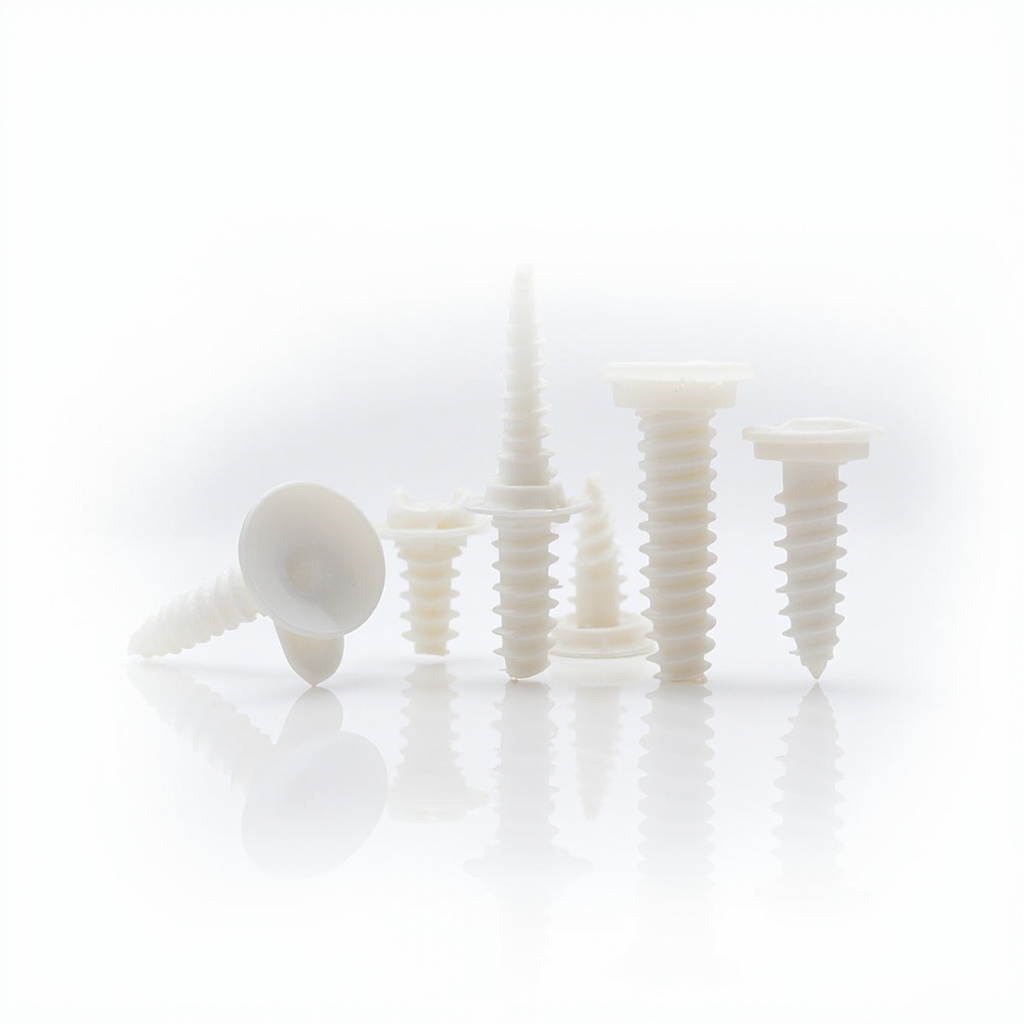
FRP(纤维增强聚合物)和GRP(玻璃纤维增强塑料)紧固件完整指南:化工、海洋和电气绝缘环境中的特性、应用和选型。
什么是FRP/GRP紧固件?
FRP(Fiber-Reinforced Polymer,纤维增强聚合物)和GRP(Glass-Reinforced Plastic,玻璃增强塑料)紧固件是由复合材料制成的非金属紧固件。它们相比金属紧固件具有独特的优势:耐腐蚀——完全不受锈蚀和电偶腐蚀影响;可在金属紧固件会失效的环境中使用;重量轻——比钢材轻约75%(密度约1.8 g/cm³对比钢材约7.8 g/cm³);高强度重量比——FRP可在钢材重量的一小部分下达到200-1000 MPa的抗拉强度;电绝缘——不导电,是电气应用的理想选择;热绝缘——不导热或导冷;射频透明度——不干扰无线电信号,是天线安装的理想选择。相关资源:抗拉螺栓、锚栓、不锈钢紧固件、六角螺栓、锁紧螺母、垫圈、自钻螺钉、Socket螺钉。本采购框架适用于建筑、采矿、能源、汽车和一般工业应用的紧固件采购。决策逻辑优先考虑质量一致性、供应商可靠性和总拥有成本,而非短期单价。对于非洲、拉丁美洲和东南亚的B2B买家,额外考虑因素包括地区海关要求、集装箱整合选项和付款安全保障机制。跨项目使用的标准化规格可减少培训时间、询价处理时间和供应商入职工作量。本采购框架适用于建筑、采矿、能源、汽车和一般工业应用的紧固件采购。决策逻辑优先考虑质量一致性、供应商可靠性和总拥有成本,而非短期单价。对于非洲、拉丁美洲和东南亚的B2B买家,额外考虑因素包括地区海关要求、集装箱整合选项和付款安全保障机制。跨项目使用的标准化规格可减少培训时间、询价处理时间和供应商入职工作量。本采购框架适用于建筑、采矿、能源、汽车和一般工业应用的紧固件采购。决策逻辑优先考虑质量一致性、供应商可靠性和总拥有成本,而非短期单价。对于非洲、拉丁美洲和东南亚的B2B买家,额外考虑因素包括地区海关要求、集装箱整合选项和付款安全保障机制。跨项目使用的标准化规格可减少培训时间、询价处理时间和供应商入职工作量。
类型与机械性能
FRP紧固件通过拉挤成型(连续型材)或模压成型(离散形状)两种主要工艺制造。拉挤GRP杆是最常见的形式,采用连续玻璃纤维与聚酯或乙烯基酯树脂复合,经螺纹加工制成GRP螺纹杆和螺栓,标准规格为M6-M24。模压FRP螺母和支架通过压缩模压或注塑成型制造,可制成复杂形状,但强度通常低于拉挤制品。拉挤GRP的关键机械性能包括:抗拉强度取决于纤维含量和纤维取向,为200-600 MPa;抗压强度约为抗拉强度的50%;弹性模量约为钢材的25%,因此具有更大的柔性和较低的刚度,在相同载荷下会产生更大的挠度;最大连续工作温度根据树脂体系不同为100-200°C,超越此温度可能导致树脂软化或降解。FRP紧固件的耐腐蚀性能优异,在许多腐蚀性环境中表现出色,优于传统金属紧固件。FRP材料还具有优异的介电性能,是电气绝缘应用的理想选择。FRP紧固件的重量约为钢材的1/4,显著减轻了结构重量,这在航空、航天和海洋应用中尤为重要。基于标准的采购需要持续学习,因为ISO、ASTM、DIN和GB标准通常每3-5年修订一次,采购人员需要及时跟踪这些变化以确保产品符合最新要求。建议订阅相关标准更新通知并每年审查产品规格。国际紧固件贸易中最常用的标准包括ISO 898-1(机械性能)、ISO 3506-1(不锈钢紧固件)、ISO 3269(验收检验)、ISO 4042(涂层)和ISO 1502(螺纹量规)。对于B2B采购商而言,建立包含与产品组合相关的至少20项主要标准的标准参考库至关重要。这有助于确保采购的紧固件符合国际质量要求,并在全球供应链中保持竞争力。同时,了解这些标准的最新版本可以避免因标准过时而导致的合规问题。在选择FRP紧固件时,采购商还应考虑具体的应用环境,包括化学介质、温度范围、载荷条件等因素,以确保所选产品能够满足预期的使用寿命和性能要求。基于标准的采购需要持续学习,因为ISO、ASTM、DIN和GB标准通常每3-5年修订一次,采购人员需要及时跟踪这些变化以确保产品符合最新要求。建议订阅相关标准更新通知并每年审查产品规格。国际紧固件贸易中最常用的标准包括ISO 898-1(机械性能)、ISO 3506-1(不锈钢紧固件)、ISO 3269(验收检验)、ISO 4042(涂层)和ISO 1502(螺纹量规)。对于B2B采购商而言,建立包含与产品组合相关的至少20项主要标准的标准参考库至关重要。这有助于确保采购的紧固件符合国际质量要求,并在全球供应链中保持竞争力。基于标准的采购需要持续学习,因为ISO、ASTM、DIN和GB标准通常每3-5年修订一次,采购人员需要及时跟踪这些变化以确保产品符合最新要求。建议订阅相关标准更新通知并每年审查产品规格。国际紧固件贸易中最常用的标准包括ISO 898-1(机械性能)、ISO 3506-1(不锈钢紧固件)、ISO 3269(验收检验)、ISO 4042(涂层)和ISO 1502(螺纹量规)。对于B2B采购商而言,建立包含与产品组合相关的至少20项主要标准的标准参考库至关重要。
| Type | Tensile Strength | Key Advantage |
|---|---|---|
| Standard GRP (polyester) | 200-300 MPa | Cost-effective, general purpose |
| High-strength GRP (vinyl ester) | 400-600 MPa | Superior chemical resistance |
| Carbon fiber reinforced | 800-1000 MPa | Highest strength, electrical conductivity |
| GRP threaded rod | 300-500 MPa | Direct replacement for steel threaded rod |
工业应用
FRP/GRP紧固件用于金属不适用的场景:\n\n冷却塔 — FRP紧固件用于组装和维护;完全不受持续的水雾和化学处理的侵蚀;FRP螺栓和螺母是冷却塔结构中的标准件。\n\n水和废水处理 — 不锈钢和HDG在含氯水和酸性环境中会失效;FRP提供无腐蚀的服务寿命。\n\n化学加工 — 由FRP制成的储罐、管道和容器使用相匹配的FRP紧固件;金属紧固件会产生电偶腐蚀电池。\n\n海洋和沿海 — 船舶、码头和沿海结构;盐空气和海水使金属紧固件的维护成本高昂且困难;FRP完全解决了这个问题。\n\n变电站和开关设备 — 非导电紧固件用于二次 containment、电缆桥架支撑和绝缘屏障。\n\n食品和饮料 — FRP易于清洁,不像金属表面那样容易滋生细菌。\n\n上述比较方法使用行业数据的典型范围以及TradeGo 2018-2024年的采购经验。实际市场价格随原材料成本(钢材、锌、镍)、能源成本、劳动力成本和汇率波动。对于准确比较,应向3-5个合格的供应商请求相同的RFQ,并比较到岸成本(产品+运费+保险+关税)。最低单价很少是最低的总拥有成本。\n\n上述比较方法使用行业数据的典型范围以及TradeGo 2018-2024年的采购经验。实际市场价格随原材料成本(钢材、锌、镍)、能源成本、劳动力成本和汇率波动。对于准确比较,应向3-5个合格的供应商请求相同的RFQ,并比较到岸成本(产品+运费+保险+关税)。最低单价很少是最低的总拥有成本。\n\n上述比较方法使用行业数据的典型范围以及TradeGo 2018-2024年的采购经验。实际市场价格随原材料成本(钢材、锌、镍)、能源成本、劳动力成本和汇率波动。对于准确比较,应向3-5个合格的供应商请求相同的RFQ,并比较到岸成本(产品+运费+保险+关税)。最低单价很少是最低的总拥有成本。
局限性及设计注意事项
FRP紧固件具有重要的局限性:低模量——FRP的柔性约为钢材的4倍;必须在接头设计中考虑这一点——FRP螺栓在载荷下会拉伸更多。脆性破坏——FRP不像金属那样会屈服;它会突然失效,没有塑性变形的预警信号;必须在安全关键应用中加以考虑。紫外线降解——标准聚酯GRP在直射阳光下会降解;乙烯基酯或环氧树脂更耐紫外线;如果在户外使用,必须指定使用抗紫外线稳定剂。电偶腐蚀——虽然FRP不会引起电偶腐蚀,但如果潮气桥接界面,可能会加速金属腐蚀;如果与金属混合使用,应使用适当的隔离措施。螺纹剥离——FRP螺纹的耐磨性不如金属;拧紧时要小心;振动应用建议使用螺纹锁固胶。\n\n验证清单适用于初始供应商资质认证和持续批次检验。对于高风险应用(承重结构、压力容器、采矿、海洋),需增加疲劳测试、盐雾测试(ASTM B117)、扭矩-拉力测试以及安装后检验。额外验证成本仅为订单价值的0.1-0.3%,而未检测出的质量故障造成的损失可达订单价值的10-100倍。
Frequently Asked Questions
See frequently asked questions below.
Can FRP fasteners replace steel fasteners in structural applications?
FRP fasteners can replace steel in many applications, but the design approach must change. FRP has lower modulus (more flexible) and different failure characteristics (brittle vs ductile). A structural engineer should verify the joint design. FRP is excellent for secondary structural members, non-load-bearing connections, and anywhere the weight saving or corrosion resistance justifies the higher cost. For primary structural connections in safety-critical applications, steel with appropriate corrosion protection is usually the better choice.
What is the lifespan of FRP fasteners in outdoor environments?
UV-stabilized vinyl ester or epoxy GRP fasteners can last 20-30+ years outdoors with minimal degradation. Standard polyester GRP without UV stabilization will degrade faster in direct sunlight — typically 5-10 years before significant surface chalking and strength reduction. Always specify UV-stabilized resin systems for outdoor applications, and consider a protective topcoat for critical applications.
Why do FRP threads strip more easily than steel?
FRP is less ductile than metal and has lower resistance to thread wear. The fibers can be abraded by repeated engagement, and the resin matrix can crack under stress concentration at the thread roots. To prevent stripping: use the correct torque specification for FRP (lower than steel); apply thread-locking adhesive to secure the joint; avoid repeated assembly/disassembly cycles; use a nut with a metal insert (metal threaded insert in FRP nut) for high-cycle applications.
需要FRP或GRP紧固件?从TradeGo获取工厂报价。
获取报价