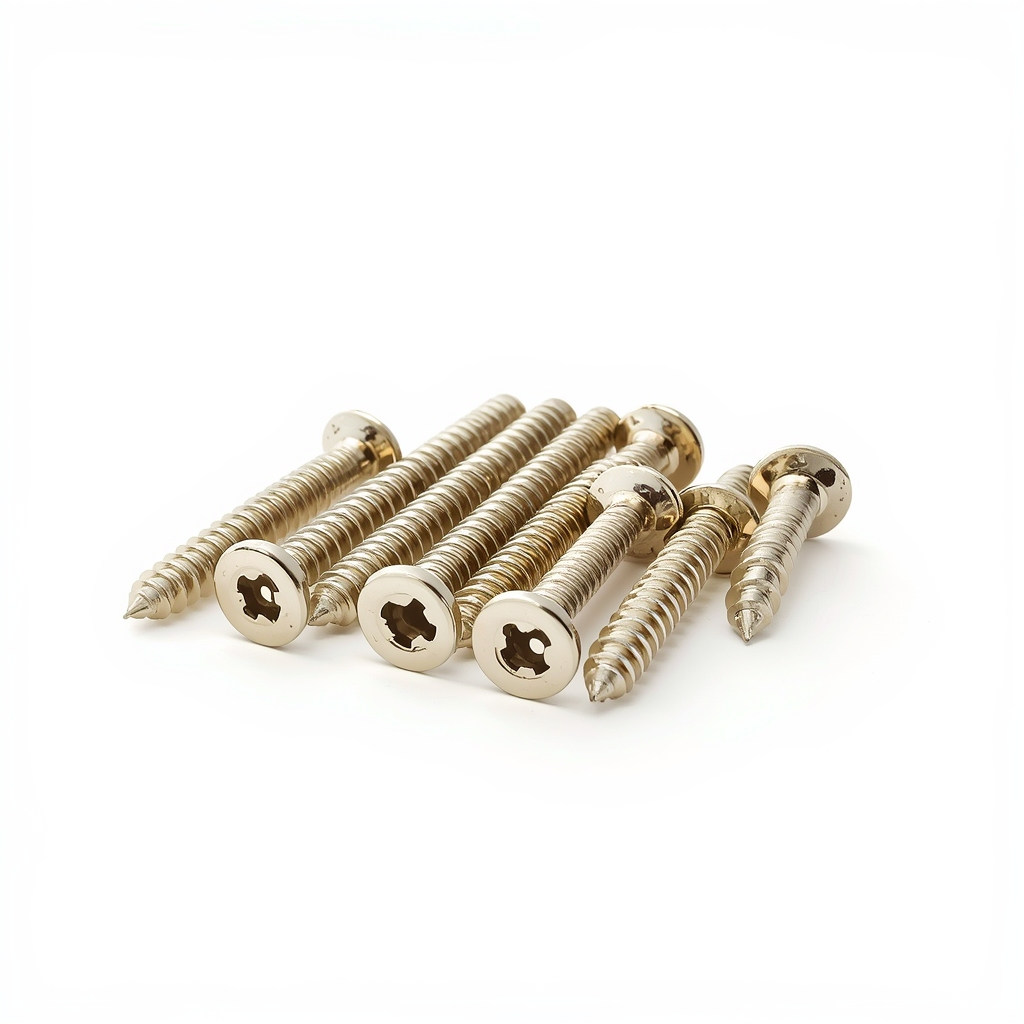
Comprehensive guide to <a href="/products#drywall-screws" class="text-primary-600 hover:text-primary-800 underline underline-offset-2"><a.
Market Overview: Why Drywall Screw Selection Matters
The global drywall screws/a> market was valued at approximately USD 2.58 billion in 2024 and is projected to reach USD 4.24 billion by 2033, growing at a CAGR of 5.7%. This growth is driven by increased residential construction and renovation projects, growing adoption of metal stud framing, demand for corrosion-resistant fasteners/a> in damp environments, and rise of modular and prefabricated construction. For procurement teams, understanding drywall screw/a> specifications is increasingly critical for project success. Related resources: high-tensile bolts anchor bolts stainless steel fasteners hex bolts lock nuts washers self-drilling screws socket screws. This procurement framework applies to fastener sourcing for construction, mining, energy, automotive, and general industrial applications. The decision logic prioritizes quality consistency, supplier reliability, and total cost of ownership over short-term unit price. For B2B buyers in Africa, Latin America, and Southeast Asia, additional considerations include regional customs requirements, container consolidation options, and payment security mechanisms. Standardized specifications that travel across projects reduce training time, RFQ processing time, and supplier onboarding effort. This procurement framework applies to fastener sourcing for construction, mining, energy, automotive, and general industrial applications. The decision logic prioritizes quality consistency, supplier reliability, and total cost of ownership over short-term unit price. For B2B buyers in Africa, Latin America, and Southeast Asia, additional considerations include regional customs requirements, container consolidation options, and payment security mechanisms. Standardized specifications that travel across projects reduce training time, RFQ processing time, and supplier onboarding effort.
What Are Drywall Screws?
Drywall screws/a> are specialized fasteners/a> designed for attaching gypsum board (drywall/sheetrock) to wood or metal framing. Unlike traditional nails, drywall screws/a> offer superior holding power — threads bite into framing material, reduced nail pops — secure fastening prevents backing out, faster installation — compatible with power tools and screw guns, and better finish quality — bugle head design prevents paper tearing. Standards-based procurement requires continuous learning as ISO, ASTM, DIN, and GB standards are revised every 3-5 years. Subscribe to standards update notifications and review specifications annually. The most common standards used in international fastener trade are ISO 898-1 (mechanical properties), ISO 3506-1 (stainless), ISO 3269 (acceptance inspection), ISO 4042 (coatings), and ISO 1502 (thread gauges). For B2B buyers, building a standards reference library with at least the top 20 standards relevant to your product mix is essential. Standards-based procurement requires continuous learning as ISO, ASTM, DIN, and GB standards are revised every 3-5 years. Subscribe to standards update notifications and review specifications annually. The most common standards used in international fastener trade are ISO 898-1 (mechanical properties), ISO 3506-1 (stainless), ISO 3269 (acceptance inspection), ISO 4042 (coatings), and ISO 1502 (thread gauges). For B2B buyers, building a standards reference library with at least the top 20 standards relevant to your product mix is essential.
Drywall Screw Types: Head Styles Explained
The head type determines how the screw sits in the drywall. Bugle head is the most common — sits flush without tearing paper, ideal for standard drywall-to-wood applications. Flat head provides a larger bearing surface for metal stud applications. Modified bugle head combines bugle shape with trimming ribs for clean countersinking. Pan head sits on the surface, used for specialty applications requiring a wider bearing surface. The comparison methodology above uses typical ranges from industry data and TradeGo procurement experience 2018-2024. Actual market prices fluctuate with raw material costs (steel, zinc, nickel), energy costs, labor costs, and currency exchange rates. For accurate comparison, request identical RFQs from 3-5 qualified suppliers and compare landed cost (product + shipping + insurance + duties). The lowest unit price is rarely the lowest total cost of ownership. The comparison methodology above uses typical ranges from industry data and TradeGo procurement experience 2018-2024. Actual market prices fluctuate with raw material costs (steel, zinc, nickel), energy costs, labor costs, and currency exchange rates. For accurate comparison, request identical RFQs from 3-5 qualified suppliers and compare landed cost (product + shipping + insurance + duties). The lowest unit price is rarely the lowest total cost of ownership.
| Head Type | Description | Best For |
|---|---|---|
| Bugle Head | Conical underside, sits flush | Standard drywall-to-wood |
| Flat Head | Larger bearing surface | Metal stud applications |
| Modified Bugle | Bugle + trimming ribs | Clean countersinking |
| Pan Head | Sits on surface | Specialty applications |
Thread Types: Fine Thread vs Coarse Thread
Choosing the right thread type is critical. Fine thread (S-type) has more threads per inch, designed for metal studs, self-tapping into thin-gauge steel. Coarse thread (W-type) has wider thread spacing, designed for wood studs, bites aggressively into wood fibers. Combination thread features both fine and coarse sections for versatile substrate compatibility. The verification checklist applies to both initial supplier qualification and ongoing batch inspection. For high-risk applications (load-bearing structural, pressure vessels, mining, marine), add fatigue testing, salt-spray testing (ASTM B117), torque-tension testing, and post-installation inspection. The cost of additional verification is 0.1-0.3% of order value, while undetected quality failures can be 10-100x the order value in damages. The verification checklist applies to both initial supplier qualification and ongoing batch inspection. For high-risk applications (load-bearing structural, pressure vessels, mining, marine), add fatigue testing, salt-spray testing (ASTM B117), torque-tension testing, and post-installation inspection. The cost of additional verification is 0.1-0.3% of order value, while undetected quality failures can be 10-100x the order value in damages.
| Thread Type | TPI | Substrate | Designation |
|---|---|---|---|
| Fine Thread | 22-24 TPI | Metal studs | S-type |
| Coarse Thread | 12-14 TPI | Wood studs | W-type |
| Combination | Variable | Both | S/W-type |
Drywall Screw Sizes: Complete Reference
Drywall screw/a> sizes are designated by gauge (diameter) and length. Common sizes range from #6 to #10 gauge and 1 to 3 inches in length. The most frequently used sizes are #6×1-1/4 for single-layer drywall on wood studs, #6×1-5/8 for double-layer drywall on wood studs, and #6×1 for single-layer drywall on metal studs. Supplier evaluation should be a continuous process, not a one-time exercise. Re-evaluate suppliers annually based on delivery performance, quality metrics, price competitiveness, and responsiveness. Maintain a supplier scorecard with weighted metrics: on-time delivery (25%), quality acceptance rate (30%), price competitiveness (20%), responsiveness (15%), and documentation accuracy (10%). Drop suppliers scoring below 70% over a 6-month period and qualify replacements. Supplier evaluation should be a continuous process, not a one-time exercise. Re-evaluate suppliers annually based on delivery performance, quality metrics, price competitiveness, and responsiveness. Maintain a supplier scorecard with weighted metrics: on-time delivery (25%), quality acceptance rate (30%), price competitiveness (20%), responsiveness (15%), and documentation accuracy (10%). Drop suppliers scoring below 70% over a 6-month period and qualify replacements.
| Size | Length | Gauge | Application |
|---|---|---|---|
| 1 inch | 1" | #6 | Single layer, metal studs |
| 1-1/4 inch | 1-1/4" | #6 | Single layer, wood studs |
| 1-5/8 inch | 1-5/8" | #6 | Double layer, wood studs |
| 2 inch | 2" | #8 | Triple layer or furring |
| 2-1/2 inch | 2-1/2" | #8-10 | Specialty applications |
| 3 inch | 3" | #10 | Heavy-duty attachment |
Coatings & Corrosion Resistance
Coating selection affects both performance and cost. Black phosphate is the most economical option for dry indoor environments. Zinc plating provides moderate corrosion resistance for damp areas. Ceramic coating offers superior corrosion resistance for outdoor and high-humidity applications. Stainless steel provides maximum corrosion resistance for marine and chemical environments but at a premium cost. For B2B buyers operating in multiple countries, harmonize specifications with regional standards and local customs requirements. Common regional frameworks: SABS (South Africa), KEBS (Kenya), TBS (Tanzania), ZIMRA (Zimbabwe), SON (Nigeria), and AfCFTA standards for pan-Africa trade. Local standards compliance is often mandatory for public infrastructure projects, mining operations, and government tenders. For B2B buyers operating in multiple countries, harmonize specifications with regional standards and local customs requirements. Common regional frameworks: SABS (South Africa), KEBS (Kenya), TBS (Tanzania), ZIMRA (Zimbabwe), SON (Nigeria), and AfCFTA standards for pan-Africa trade. Local standards compliance is often mandatory for public infrastructure projects, mining operations, and government tenders.
| Coating | Corrosion Resistance | Cost | Best Environment |
|---|---|---|---|
| Black Phosphate | Low | $ | Dry indoor |
| Zinc Plated | Moderate | $$ | Damp indoor |
| Ceramic | High | $$$ | Outdoor/humid |
| Stainless Steel | Maximum | $$$$ | Marine/chemical |
Selection Guide: How to Choose the Right Drywall Screw
Follow this decision framework: Step 1 — Identify substrate (wood or metal studs). Step 2 — Determine drywall thickness (1/2" or 5/8"). Step 3 — Select screw length (penetration should be at least 5/8" into framing). Step 4 — Choose coating based on environment. Step 5 — Verify local building code requirements. For bulk procurement, consider ordering a mixed assortment to cover common applications. For more information, also see our guides on [self-drilling screws/a>](/en/industry/self-drilling-screws-selection-guide), [coating options](/en/industry/zinc-plated-vs-black-phosphate-screws), [quality standards](/en/industry/fastener/a>-quality-control-iso9001).
Frequently Asked Questions
See frequently asked questions below.
Related resources: high-tensile bolts anchor bolts stainless steel fasteners hex bolts lock nuts washers self-drilling screws socket screws.Can I use drywall screws for wood-to-wood connections?
While possible, drywall screws are not designed for structural wood-to-wood connections. They lack the shear strength of wood screws. Use appropriate wood screws for structural applications.
What is the difference between S-type and W-type drywall screws?
S-type has fine threads for metal studs; W-type has coarse threads for wood studs. Using the wrong type can result in poor holding power or stripping.
How many drywall screws do I need per sheet?
Standard practice is 32 screws per 4×8 sheet on walls (screws every 12" along studs) and 36 screws per sheet on ceilings (screws every 12" along joists, plus perimeter).
Are drywall screws code-compliant?
Yes, when used per manufacturer specifications and local building codes. Always verify with your local authority having jurisdiction (AHJ).
Need bulk drywall screws? Get a factory-direct quote from TradeGo.
Get Quote